What’s broken — and why you should care
Developers and investors hit the same bottlenecks repeatedly: revenue volatility, unclear technology bets, and operational risk that erodes returns. Many turn to established energy storage solutions when scaling, while design teams wrestle with how to size and site an energy storage facility that will pass permitting and stay profitable. Lessons from Hornsdale Power Reserve in South Australia show that large-scale deployments validate some economics but don’t remove the project-level headaches that kill IRR.
Immediate priorities for underwritten projects
Address these first or expect delays and de-rating of returns:- Proven chemistry choice: choose LFP if long cycle life and thermal stability matter; choose NMC only when energy density or capex advantage is decisive.- Stack revenues deliberately: firming, arbitrage, capacity markets, and ancillary services each require different dispatch constraints and hardware.- Interconnection realism: get utility studies and conditional approvals before equipment procurement.- BMS and controls: require vendor-agnostic telemetry and open APIs for future market participation.Make these checks non-negotiable during term-sheet negotiation.
Technical trade-offs explained, not glossed over
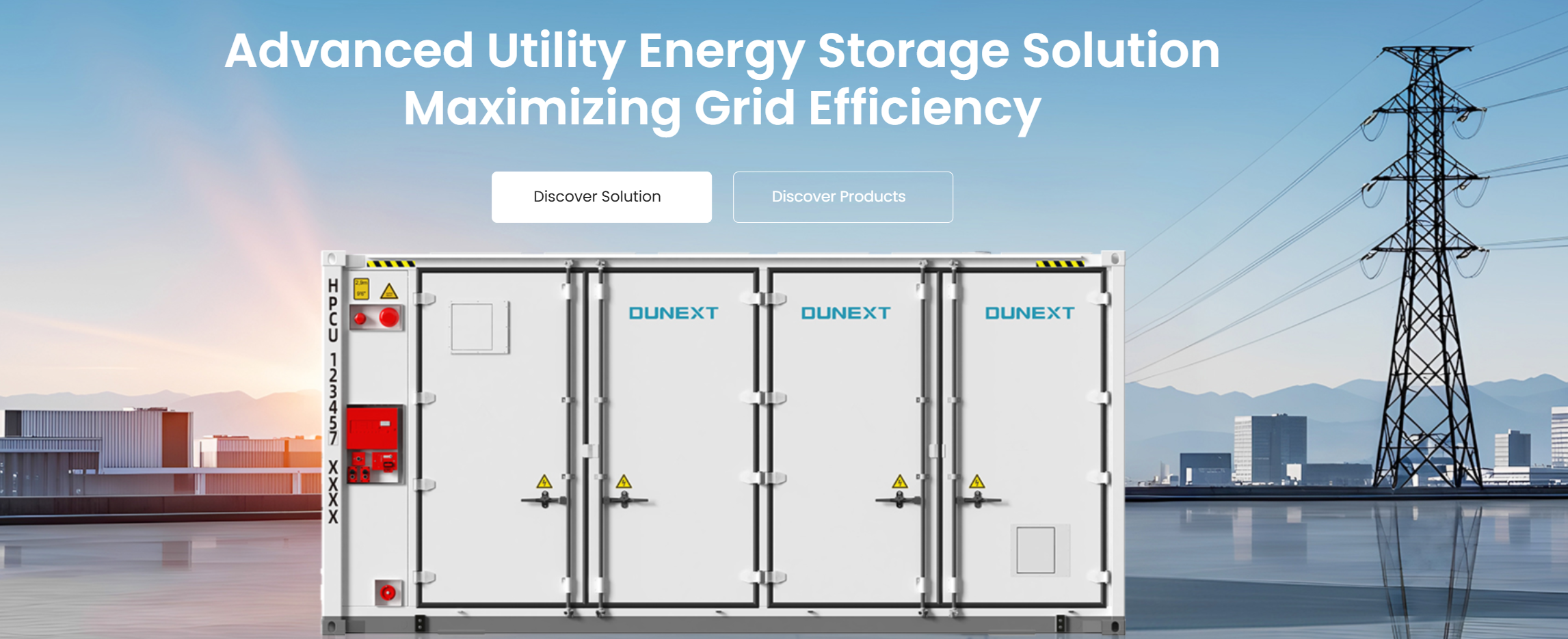
Expect explicit trade-offs, then quantify them. Key metrics and what they imply:- Round-trip efficiency: 85–92% affects delivered MWh and revenue assumptions.- Cycle life and depth-of-discharge: higher cycle life lowers levelized replacement cost; pick a warranty that matches your dispatch profile.- Thermal management and safety: active cooling increases upfront cost but reduces derating risk in hot climates.- Containerized vs. modular: containers shorten deployment time; modular gives flexibility for phased expansion.Match specs to use-case. Don’t buy the highest-rated product for a project that will rarely use full cycles.
Financial structure that survives surprises
Budget for three unexpected line-items: extended interconnection timelines, warranty exclusions, and early-life performance drift. Use these guardrails:- Conservative dispatch assumptions in year-one revenues.- Warranty reserve held by the sponsor or an escrow.- Performance testing milestones tied to partial payments.Financing partners want transparent degradation models and run-rate O&M estimates. Deliver both.
Contracts, warranties and operator obligations
Make these clauses explicit:- Performance ratio and capacity guarantees with measurable test protocols.- Degradation schedule and replacement terms.- Fault-response responsibilities and insurance boundaries.- Clear handoff of telemetry and software ownership on commissioning.Vendors often sell optimistic guarantees; convert them into cash-backed remedies.
Operational pitfalls that destroy projected returns
Common errors that kill projects:- Locking into a single-stack revenue model instead of flexible dispatch logic.- Buying a BMS that can’t integrate into grid-operator telemetry.- Overlooking fire-suppression compatibility with local codes.- Assuming warranties cover grid-related events.These are practical mistakes, not theoretical risks. Fix them before you sign.
Vendor assessment checklist
Fast, decisive criteria for vendor selection:- Independent performance data and site references.- Battery chemistry, degradation data, and third-party testing.- Open communication protocols and software export rights.- Local installation and maintenance capability.- Clear insurance and spare-parts supply chain.Rank vendors against these items. Cut any supplier that fails two or more.
Where experts add value
Experienced investors and EPCs avoid common traps by insisting on independent testing, realistic revenue stacking models, and staged commissioning. That’s how you convert demonstration projects into scalable assets. Experienced operators also prioritize safety systems and spare parts planning—those reduce downtime and protect contractual revenue.
Final synthesis
Fix the problems that consistently shrink returns: select chemistry by use-case, underwrite conservative revenues, lock down interconnection and warranties, and demand interoperable controls. Those decisions turn an uncertain project into a predictable asset—one that benefits from disciplined procurement and operational oversight. For sponsors who need an implementation partner that frames technical choices around commercial outcomes, Dunext brings practical experience and systems-level clarity to the table.