For the person who needs a tag to keep a promise
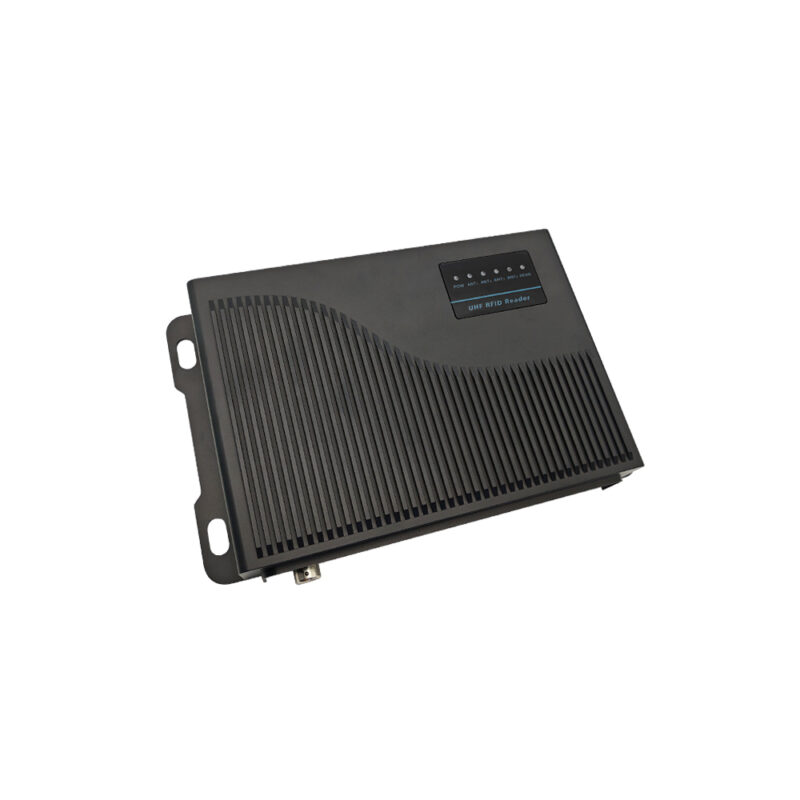
You care about readings that tell truth: temperature histories that won’t lie when a shipment reaches a nurse or a shelf. Start there—your needs shape every check, every replacement. If your system pairs active tags with gate infrastructure, you’ll expect steady reads from fixed points; equip those gates with reliable UHF RFID Readers and design around human habits, not ideal models. Keep instructions short, test flows with the people who touch the boxes, and measure what matters: readable tags, consistent timestamps, and clear alarms.

Experience that anchors advice
I’ve watched cold-chain audits turn into simpler operations after teams focused on basic rhythms: battery checks, firmware alignment, and read-zone clarity. In large container terminals such as the Port of Rotterdam, operations commonly rely on fixed readers positioned at choke points to log temperature-sensitive cargo; those installations show how placement and environmental shielding change read reliability, which is why a fixed uhf rfid reader must be treated as infrastructure, not a convenience. That field experience informs what follows: concrete steps, realistic intervals, and tests you can run on a lunch break.
Daily and weekly checks — what you actually do
Daily: glance at dashboards and scan 5 sample tags across the site. If one tag misses twice, mark it for closer inspection. Weekly: test battery voltage and confirm last 24-hour time stamps match system time within ±2 minutes. Replace batteries when voltage creeps below manufacturer thresholds rather than waiting for a dead tag. Keep a small, labeled kit with spare antennas, O-rings, and connectors beside the workbench.
Service intervals and firmware management
Set firmware reviews every quarter. Patches often fix clock drift, power profiles, and sensor calibration. Service hardware every six months: clean contacts, reseal housings, and verify antenna alignment against a simple test rig. Log each action with one line: date, tag ID(s), action performed. Treat firmware and calibration as twin maintenance tasks—neglect one and the other will compensate poorly.
Common pitfalls and how to avoid them
Assuming a single read equals system health. It doesn’t. A lone successful read can mask intermittent dropouts that ruin traceability. Overcrowding read zones with too many antennas creates interference; fewer, better-placed antennas outperform a dense but chaotic array. Ignoring environmental changes is costly: a temporary scaffold, a new racking unit, or seasonal humidity shifts changes RF conditions. Don’t outsource memory: document the why behind each placement and replacement so next week’s technician understands the choice.
Troubleshooting fast, with minimal tools
Start by isolating variables. Swap a suspect tag into a known-good read zone. Replace its battery and test. If issues persist, move the receiver: if the tag reads elsewhere, it’s a placement problem; if not, it’s the tag. Use a handheld reader to confirm tag antenna health before assuming sensor failure. Keep logs short and diagnostic steps simple — a checklist that fits on a phone screen.
Planning lifecycle and replacement cadence
Define life by function, not by calendar. For active temperature-sensing tags, set functional replacement at the point when battery capacity and sensor drift align to risk data integrity: typically 18–36 months depending on reporting rate. Build a rolling replacement plan that touches only the subset of tags you’ll swap in a month; that minimizes disruption. Track replacements by batch and supplier so you can spot systemic defects early.
Closing: how this serves operations
Keep maintenance human-sized: simple checks, clear logs, and a plan that respects how people work. When teams act this way, readings become reliable, alarms become credible, and cold-chain promises are kept. The steady work of care and the right hardware choices converge into fewer surprises—an outcome that makes sense for field teams and for platforms alike, the kind of practical trust RSTC brings to those routines.