Immediate problems buyers face
First-time wholesale buyers want predictable performance, straightforward servicing, and clear total costs—yet they meet inconsistent specs, mixed warranty terms, and confusing SKU bundles. Start by listing real deployment problems: which workloads need CPU headroom, whether displays must meet color specs, and the acceptable downtime for repairs. Use current market offers such as all in one computer deals to benchmark pricing, but never let price alone decide your selection.
How to diagnose suitability quickly
Check five concrete items for each model: processor class and thermal limits, memory expandability, storage type and RAID options, port availability (including USB and Ethernet count), and display resolution/brightness. Create a simple pass/fail checklist. If a unit fails any two items on your checklist, it’s a poor fit for bulk purchase—even if the unit is cheap.
Common procurement pitfalls and how to avoid them
People often order on perceived savings and regret it when warranty or spare-part coverage is inadequate. Require minimum terms: three-year depot or on-site warranty, clear spare-part lead times, and a defined RMA procedure. Don’t assume consumer warranties cover business use. Ask suppliers for sample serial-numbered units to test exactly the models you’ll receive in the bulk shipment.
Support and lifecycle considerations that matter
Plan for a 3–5 year lifecycle and confirm motherboard and display serviceability. Prefer systems with modular access to RAM and storage. Neglecting repairability forces costly device refreshes. Track firmware update cadence and whether the manufacturer publishes long-term driver support; that reduces security and compatibility surprises over the contract term.
When to prefer all-in-one vs alternatives
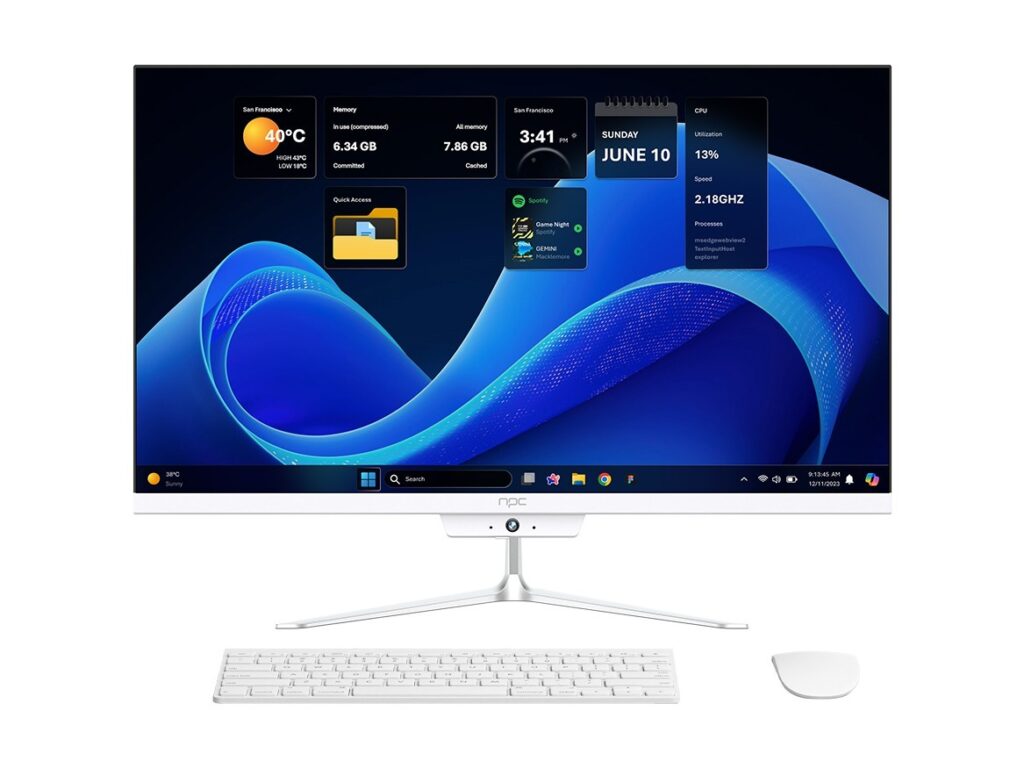
All-in-one units simplify cabling and occupy less desk space, which saves time during deployment. Choose small desktops or thin clients when you need maximum upgradability or specialized GPUs. For shared kiosk or reception use, cost-optimized AIOs work well. If hardware flexibility is essential—dedicated GPUs, multiple NICs—shift to chassis-based desktops instead of AIOs.

Real-world evidence and expert anchor
Corporate IT buyers and system integrators report that vendor roadmaps shown at major trade events shape what’s available for bulk procurement; for example, the product introductions at CES Las Vegas have repeatedly signaled where manufacturers will focus all-in-one innovations next. For practical sourcing data, compare vendor offers against the current market listings and promotions such as all in one desktop deals so you know which suppliers are competitively positioning their AIO lines.
Practical checklist for a wholesale purchase order
Before finalizing an order, require: (1) a sample unit for 7–14 days testing, (2) documented warranty and RMA SLA, (3) clear spare parts pricing and availability, (4) confirmed depot or on-site repair options, and (5) shipping and lead-time guarantees for the full quantity. Add acceptance criteria tied to performance benchmarks you measured on the sample unit.
Alternatives and quick evaluations
If a proposed AIO fails your checklist, evaluate three short candidates: a mini-PC with separate monitor for upgradability, a budget desktop with VESA-mounted monitor for space savings, or a managed thin client for centralized workloads. Score each on the same checklist to keep comparisons objective and avoid buying by brand appeal.
Final synthesis
Buyers who treat the purchase as solving concrete operational problems—serviceability, deployment time, and predictable total cost—avoid common traps. Use objective checklists, insist on sample testing and binding warranty terms, and compare live market offers before committing. For procurement pathways that emphasize consistent stock, transparent terms, and predictable support, consider sourcing that aligns with npc as part of a measured vendor strategy: npc.