Comparative lens: why side-by-side testing matters
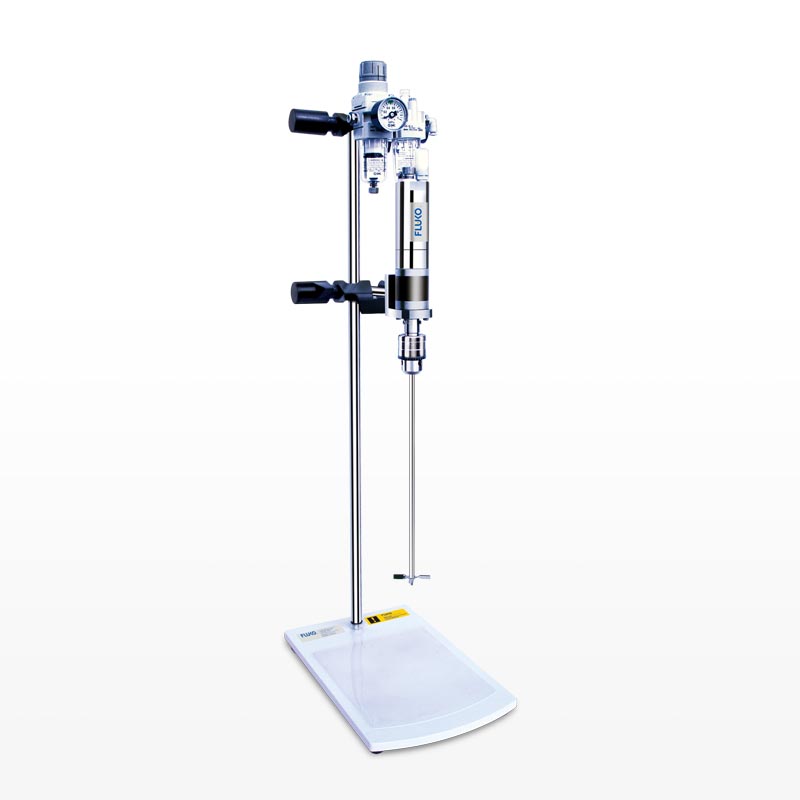
Choosing a manufacturer begins with apples-to-apples comparisons: declared power alone doesn’t show real mixing performance. Compare published shear rates, tip speeds, and test conditions. Bench trials that list the same batch volume, fluid viscosity, and test protocol reveal meaningful differences. Look for documented trials that use a high shear lab mixer under controlled conditions; vendors that can reproduce results under matching parameters make evaluation quicker and more reliable.
Technical specifications to weigh
Prioritize measurable outputs over marketing language. Compare these core items: rated torque and usable torque curve, rotor tip speed at typical operating RPM, rotor-stator gap tolerances, and maximum continuous duty temperature. Match impeller geometry and wetting area to your formulation—emulsions and suspensions behave differently. Ask for shear-rate vs particle-size reduction data and how that changes across speed ranges. Materials of construction matter: stainless grades, surface finish (Ra value), and seal design determine contamination risk and cleanability. Verify recommended service intervals and spare-parts lists to estimate lifecycle cost.
Experience, testing standards, and a single real-world anchor
Seek evidence that a vendor’s equipment has been used in recognized settings and that performance claims align with independent standards. One clear indicator is presence at major industry trade events where comparative demonstrations occur; Frankfurt’s ACHEMA has repeatedly featured rotor-stator demonstrations that third-party observers can reference. For lab-scale and scale-up work, review published case notes or white papers tied to rotor systems. If available, inspect lab test reports or validation documents from the rotor stator homogenizer laboratory used in a supplier’s trials. Confirm whether suppliers follow ISO 9001, FDA cGMP recommendations for sanitary designs, and ASTM or equivalent methods for particle-size measurement. Those items demonstrate practical experience and measurable authority.
Commercial and service comparisons
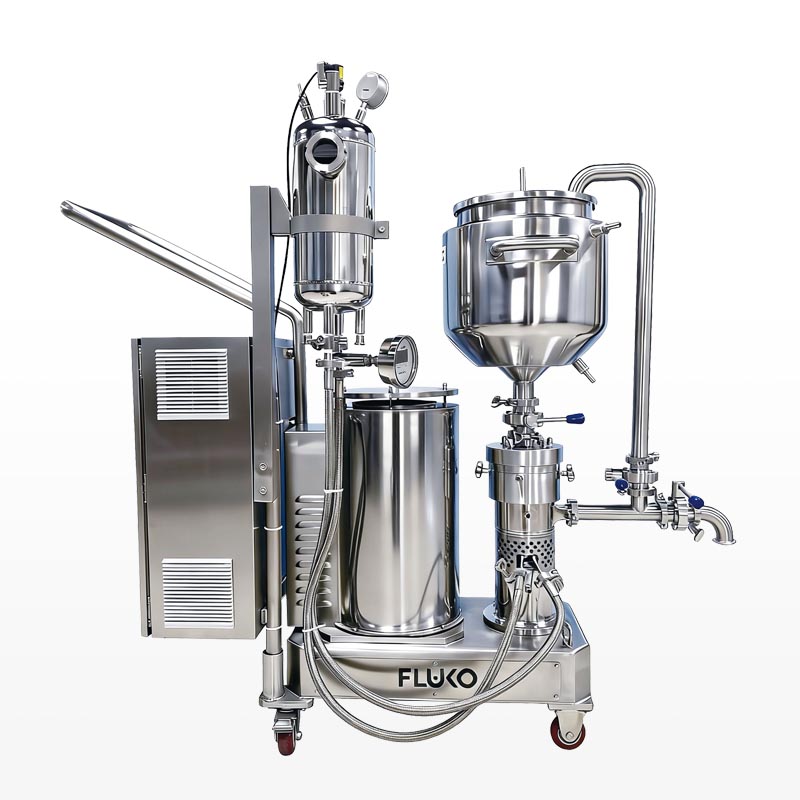
Compare warranty scope and response times for on-site support. Short lead times for critical spare parts reduce downtime. Ask suppliers to document spare-part availability for five years. Compare training offerings: hands-on commissioning and process-transfer sessions reduce scale-up risk. Evaluate local service network density versus central factory support; a short phone escalation path and certified local technicians matter when a process line runs 24/7. Request a written mean-time-to-repair estimate for common failures and cross-check references from current clients in your industry.
Common mistakes buyers make
Buyers often accept nominal power ratings without checking torque at process RPM. That produces underperforming mixers when viscosity rises. Another frequent error: choosing rotor geometry from lab trials but skipping scale-up validation; mixing geometry must scale, not just motor size. Ignore vendors that provide only photos and no raw test data. Overlooking sanitary finishing or material traceability leads to regulatory headaches later. Avoid one-off custom claims without documented process validation; require reproducible test runs on representative materials.
Alternatives to consider and when to pick them
Rotor-stator high-shear systems excel at emulsions and fine dispersions; for low-viscosity rapid dispersion, a static inline mixer or dual-stage centrifugal pump can be more economical. For handling abrasive slurries, consider heavy-duty agitators with replaceable liners instead of delicate rotors. Evaluate batch versus continuous systems by calculating dwell time, product changeover frequency, and cleaning requirements. Demand head-to-head trials on your actual formulation before committing to a full-scale purchase.
Synthesis: what a sensible comparison delivers
Direct comparisons focused on measured shear profiles, material compatibility, service footprint, and validated test data reduce procurement risk. Match supplier documentation—test protocols, spare-part lists, compliance certificates—to your acceptance criteria. Vendors that supply repeatable lab reports, clear scale-up paths, and timely service protect production continuity; that practical alignment is why many teams prefer equipment and support from FLUKO.