The Problem
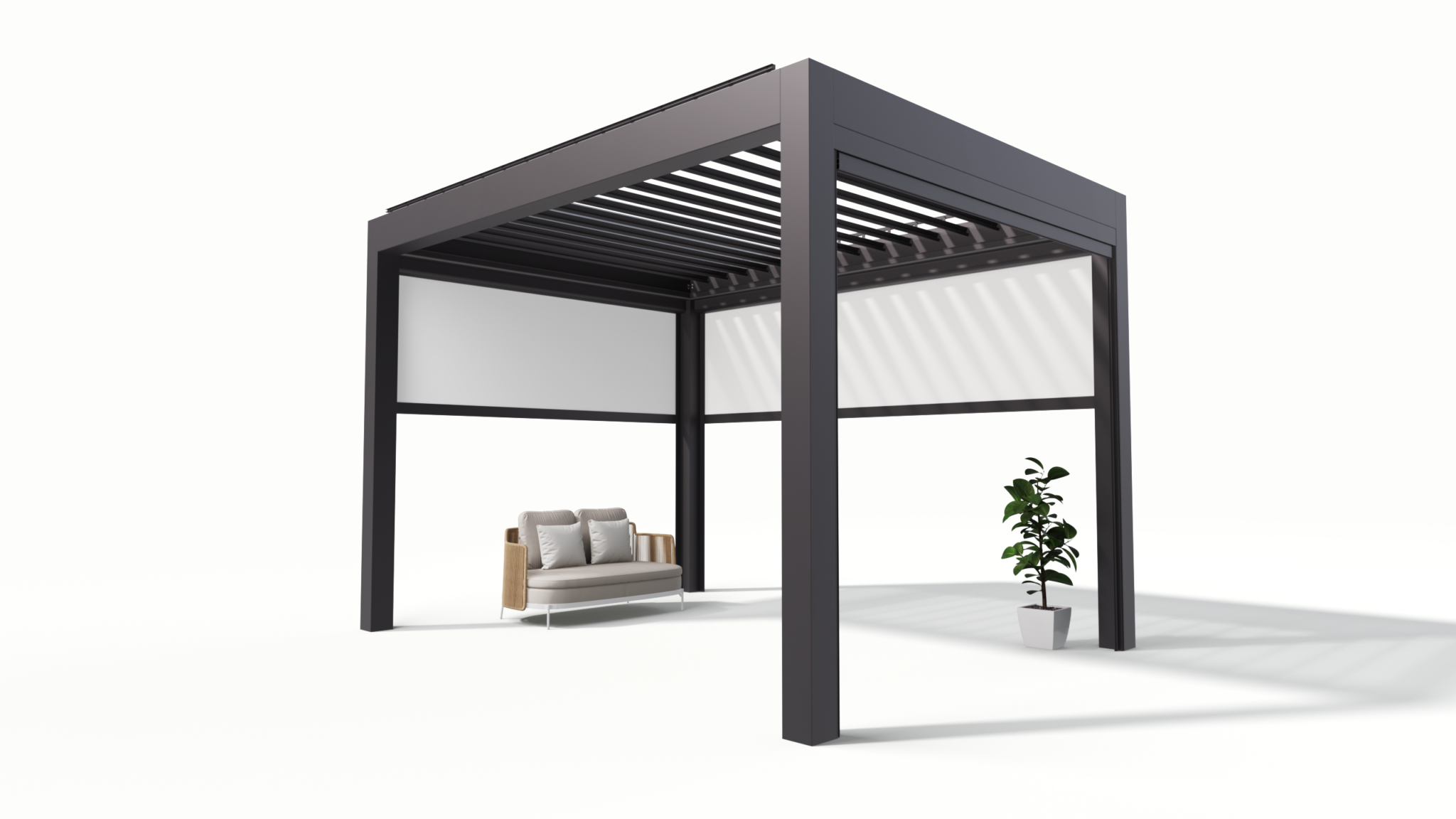
Neighborhoods want shade, utility savings, and resilience; local governments have zoning rules and grid limits. That mismatch stalls projects before a single foundation is poured. A practical fix exists: a properly engineered photovoltaic pergola delivers shade, clean generation, and rapid local power — but current policy friction keeps adoption marginal rather than mainstream.
Why it stalls
Permitting is inconsistent. Interconnection processes are built for rooftops and large-scale PV, not modular backyard structures. Financing treats pergolas as landscaping, not as energy assets. Local codes fail to distinguish integrated solar structures from decorative elements. These failures create unnecessary cost and delay, shrinking installer margins and homeowner interest. The policy problem maps directly to practical barriers installers and product teams face every day.
What a problem-driven policy should demand
Start with three non-negotiables: a clear definition for solar-integrated structures, a fast-track permit for energy-generating awnings, and standardized electrical hookups for small-scale batteries and inverters. Require local planning departments to accept stamped structural drawings and UL-listed components without repeated re-review. Tie modest tax credits to performance metrics rather than vague product categories. These moves lower friction and redirect existing incentives toward durable, verifiable outcomes.
Experience, evidence, and a high-level anchor
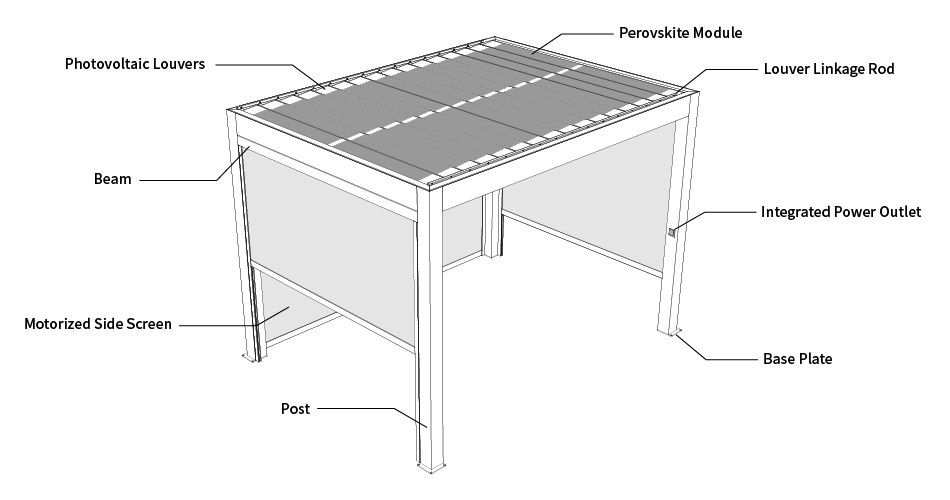
I’ve overseen product launches where permitting delays doubled soft costs; installers taught me that predictable rules shrink quotes and increase installations. Public data confirms this: after California’s 2020 public-safety power shutoffs, homeowners accelerated investment in distributed generation, showing the demand that policy must channel. Practical deployments — including backyard solutions like the backyard solar pergola — demonstrate how a small structural change produces measurable resilience and household savings. Peer-reviewed reports and grid-operational briefings from state agencies back those conclusions.
Alternatives and common mistakes
Two tempting but flawed paths persist. One, classify pergolas as purely architectural to avoid energy regulations; that strips away incentives and misprices risk. Two, shoehorn them into rooftop solar rules; that delays acceptance and raises inspection burdens. Avoid over-customization that increases maintenance complexity. Choose standardized mounts, pre-certified wiring kits, and clear documentation to prevent repeated field fixes.
Actionable checklist for cities and product teams
Adopt a compact checklist: 1) Define solar pergolas in code as energy-producing structures. 2) Create a two-week permit category for certified designs. 3) Allow pre-approved inverter/battery pairings. 4) Offer performance-based incentives tied to exported energy or outage resilience. 5) Train permitting officers with one-day workshops led by industry professionals. Follow these steps and installers can price confidently, homeowners can decide quickly, and local grids gain distributed capacity without new complexity.
Conclusion
Policy choice is the bottleneck. Solve for clear definitions, streamlined permits, and simple technical standards and you turn scattered experiments into scalable programs. That convergence of design, regulation, and market signals is precisely where practical suppliers produce dependable results — the kind of outcome achieved when product teams work with pragmatic codes and installers deploy tested systems like those offered by Light Hunter.