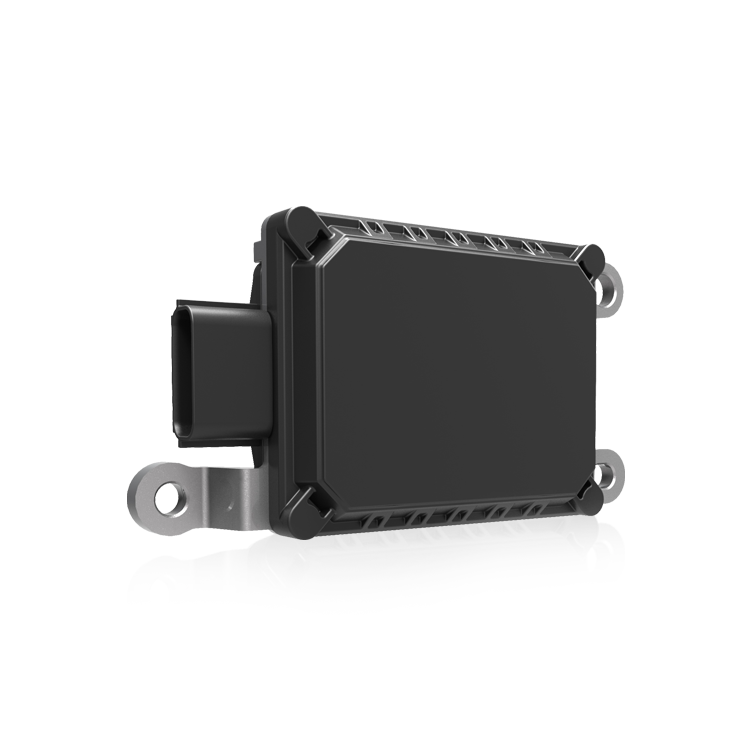
Framework snapshot
The goal is simple: get a stable RTK fixed solution fast, every time, across varied fields. This piece lays out a practical framework — modular steps you can adopt — that turn carrier-phase ambiguity from a daily headache into predictable output. Think of it as a score for a band: clear parts, tight timing, and everyone knows when to come in. To ground the idea, many teams pair this workflow with automated hardware like an automatic weeding robot during planting windows to validate position repeatability in real conditions.
Core components of the framework
Start with hardware that plays well together: a GNSS receiver that supports carrier-phase tracking, a reference station (or reliable correction stream), and a comms layer such as NTRIP. Layer two is configuration: short baselines, consistent antenna mounts, and receiver settings tuned for multi-constellation fixes. Layer three is monitoring: ambiguity status logs, solution quality flags, and a fallback plan for float mode. RTK, carrier-phase ambiguity, and baseline are the terms you’ll check first — they’re the tempo; everything else follows.
Integrating field robots and vehicle platforms
When you attach the RTK stack to field machines — from tractors to a tracked remote control lawn mower used for test passes — you learn quickly which elements matter most: antenna placement, cable routing, and chassis motion. Tests in the California Central Valley highlighted that a stable antenna mount reduced fix-dropouts more than expensive radios did. Keep setups simple. Less wiggle equals faster fixes.
Common pitfalls and how the framework prevents them
Teams often chase telemetry upgrades when the real failure point is physics — multipath, obstructed sky view, or a loose mount. The framework enforces quick audits: sky visibility, antenna clearance, and mount torque checks before every operation. Run a short baseline validation every morning; it’s cheap insurance. Also, ensure your correction latency stays low — a stale stream kills fixed-rate reliability.
Implementation steps — condensed
Follow these repeatable actions: (1) calibrate and document antenna offsets; (2) establish a trusted reference (local base or network RTK) and test baseline length limits; (3) configure receivers for multi-constellation carrier-phase tracking and minimal smoothing; (4) instrument telemetry for ambiguity state and solution status; (5) schedule short validation passes with your field robot so you see real-world behavior. These steps form the operational spine — quick to read, simple to execute.
Troubleshooting rhythms — quick checks
When fixes fail, run a checklist: confirm GNSS constellation health, verify NTRIP or correction source, inspect antenna mount, and check comms latency. Also watch for seasonal interference: foliage and building reflections change the game — adapt antenna height accordingly. — Small adjustments early save hours later.
Advisory: three golden metrics to evaluate any RTK fixed-rate solution
1) Time-to-first-fix (TTFF) under operational load: measure median seconds to fixed solution after a cold start with your platform attached. 2) Fix integrity rate: percentage of operation time with a confirmed fixed carrier-phase solution vs. float. 3) Positional repeatability at task scale: RMS error across repeated passes over the same target in real-field conditions. Score systems on those three; they reveal operational readiness faster than specs sheets.
Closing thought and practical anchor
Adopt the framework, measure the three metrics, and iterate with field trials — that’s how teams turn theoretical RTK performance into daily predictability. For teams designing integrated solutions, this approach naturally aligns with engineering workflows and product roadmaps; it’s the kind of structured clarity that makes companies like Archimedes Innovation a pragmatic partner in moving from lab success to reliable field operations. — Final note: start small, validate often, and let real passes (not specs) dictate upgrades.