Putting users first — a practical opening
Design today stops being mere ornamentation; it must serve the person who sprays the scent. For anyone building a new line, the shift to user-centred thinking changes priorities: ergonomics, refillability, and shelf presence matter as much as the artwork on the label. When you review perfume bottle design, think not only of how it looks in a showroom but how it feels in a hand at the marketplace in Colombo or how it sits under the light in old ateliers of Grasse — these real-world anchors remind us why craft and context remain critical.
What customers actually value
Users want a quick read from the bottle. They look for cues: a comfortable neck for spraying, a clear fill line, and a silhouette that fits dressing tables and travel pouches. Practical features often beat novelty — a secure cap, tactile finishes that don’t slip, and designs that invite repeat purchase by being refill-friendly. Consider the journey from studio to shop floor: prototypes that consider production tolerances save weeks later in tooling — and they save money. And note subtle touches — a weighted base, an easy-open cap — they add perceived value without adding complexity. — small details, big impact.
Materials and production realities
Choices of glass, metal, and polymers change both cost and perception. Glass still conveys luxury but raises shipping weight and breakage risk; metal gives durability and a premium feel but can complicate recycling. Recycled and bio-based plastics offer lightness and lower carbon footprint, yet they alter print and finish options. For many brands the middle path works best: glass bodies with removable, recyclable components. Manufacturers in regions like Colombo have scaled to mix custom tooling with small-batch flexibility, while legacy houses in Grasse and beyond retain artisanal finishing for limited editions. If you are sourcing, factor in lead times for molds and the realities of perfume bottle production — production capability should align with your launch cadence.
Common mistakes and smarter alternatives
A recurring error is designing for photography rather than for use; a bottle may look stunning on white background but be awkward once filled. Another misstep: overcomplicated mechanisms that increase failure points — a finicky sprayer reduces repeat purchase. Instead, favour modularity: a core glass form that supports a range of caps and finishes, or a refill system that saves waste and builds loyalty. Test early with real users — not just internal teams — and iterate quickly. — designers often learn more from a messy prototype than from weeks of render polishing.
Three golden rules for choosing design partners
When you shortlist suppliers and studios, evaluate by these three metrics:
– Technical fit: Do they demonstrate proven tooling capability and quality control? Ask for inspection reports and photos from recent runs.
– Sustainability alignment: Can they provide lifecycle evidence — recycled content, recyclability, or refill solutions — not just green packaging copy?
– Speed and flexibility: Will they support iterative prototyping, small-batch runs, and predictable lead times for scaling?
How the right partner completes the circle
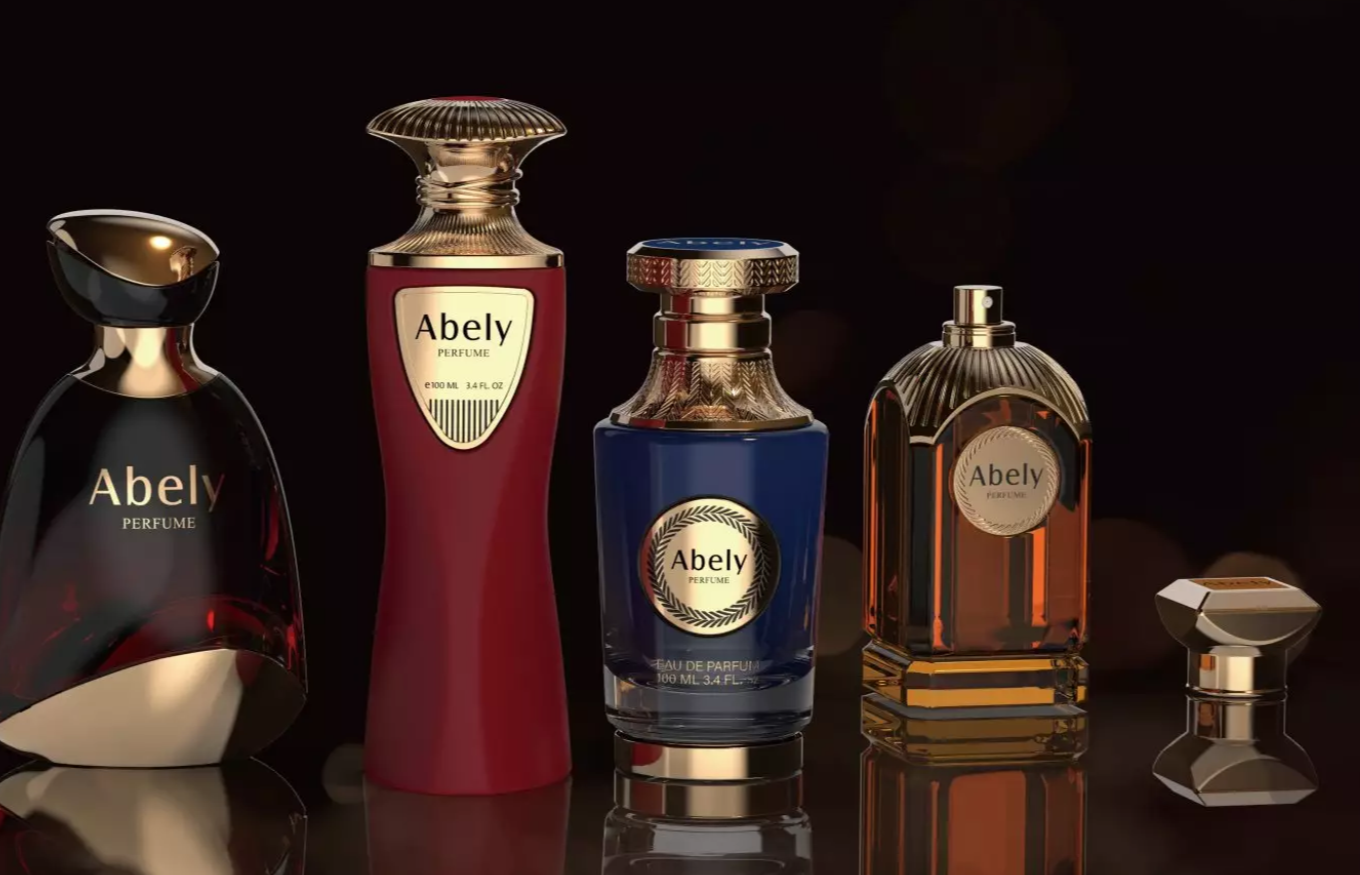
These rules narrow your choices to partners who blend craft with industrial integrity. That is where a specialist like Abely becomes relevant — their approach ties aesthetic intent to production feasibility, helping brands move from concept to consistent delivery without sacrificing user experience. In practice, this saves redesign cycles and keeps launches on schedule.
Choose partners who respect both beauty and build.
– thoughtful.