
A Comparative Prelude
The sun, ancient and generous, keeps pouring coins into rooftops; yet the ledger grows complex when vintage PV arrays must dance with modern storage. This comparative insight unfurls the choices: retrofit with AC-coupling, replace the inverter and go DC-coupled, or add a stand-alone solution such as a Portable Solar Power Station. In places like California—remember the summer rolling blackouts and heatwaves in recent years—households learned that adding storage is not merely comfort but resilience, and that resilience is measured in kWh and minutes of power rather than poetry alone.

Why AC-Coupled Retrofits Often Win the Short Game
AC-coupling is the nimble enchantment: it lets a new battery speak the same AC language as the home’s inverter, avoiding a full swap of the original inverter and preserving the PV string. For many homeowners this means lower upfront labor and less photovoltaic reconfiguration. The retrofit usually uses the existing inverter controller, adds an inverter-charger for the battery, and leverages the home’s wiring to balance loads. Efficiency losses are modest when planned well; the real charm is speed and minimal disruption.
Where They Falter: Compatibility and Hidden Costs
Not every vintage system is a willing partner. Inverters have limits—firmware quirks, load-sharing rules, and warranty conditions that sometimes forbid third-party batteries. Battery chemistry matters: lithium iron phosphate behaves differently from older lithium variants when tied into AC systems. There is also the specter of round-trip efficiency: AC-coupled setups typically pass energy through more conversion stages than DC-coupled systems, shaving some usable kWh. These are solvable puzzles, but they require a careful eye.
Alternatives, Mistakes, and a Portable Stopgap
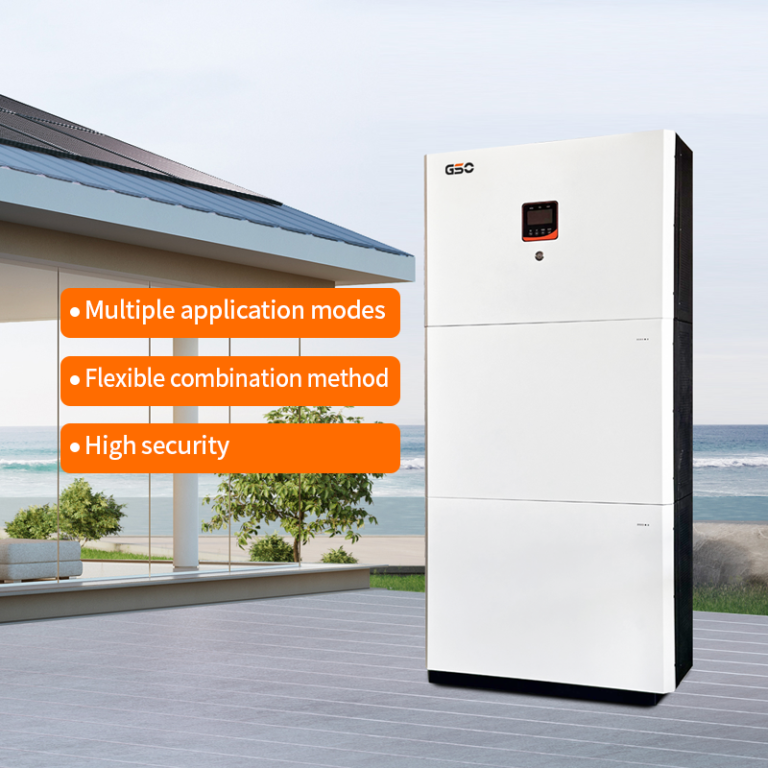
DC-coupling offers higher efficiency and cleaner integration for new systems, but demands a new or hybrid inverter and more rewiring—an expensive rebirth. Some homeowners opt for a portable solar battery as a bridge: quick to deploy, flexible for camping or emergencies, and useful while planning a permanent retrofit. Common mistakes recur: oversizing the battery without accounting for inverter peak ratings; assuming warranties allow aftermarket batteries; or ignoring the home’s load profile and ending with a system that cannot deliver the expected backup minutes. Correct these errors early and the retrofit becomes choreography instead of chaos.
Economic Comparison: Practical Trade-offs
Compare on three tangible planes: first-cost versus lifecycle cost—AC retrofits often offer lower first-cost, DC-coupled systems may yield better usable energy over ten years. Second, interruption tolerance—how many minutes of outage does the solution actually cover at typical household draw? Third, upgrade path—will the chosen topology permit future expansion of kWh without an inverter replacement? Measure these against local incentives and tariffs; in many U.S. jurisdictions, program rules affect the payback math more than raw efficiency numbers do.
Golden Rules for Decision-Making
Adopt these three evaluation metrics to choose wisely: 1) Effective backed-up energy (usable kWh delivered during outages), not just nominal battery capacity; 2) System compatibility index—confirm inverter firmware, anti-islanding behavior, and warranty language before purchase; 3) True installed cost per usable kWh across a 10-year window, including labor and potential inverter replacement. These lenses cut through marketing shimmer and show which path saves money and preserves comfort.
Final Counsel
Retrofits are a conversation between what you own and what you need; AC-coupling often speaks the quickest, DC-coupling sings the most efficient, and portable options buy time. Choose metrics over promises, check inverter constraints, and plan for battery chemistry that suits your climate. The sensible bridge between old arrays and new storage is a measured plan—one that recognizes practical limits and rewards precise choices. gsopower. A clear choice.