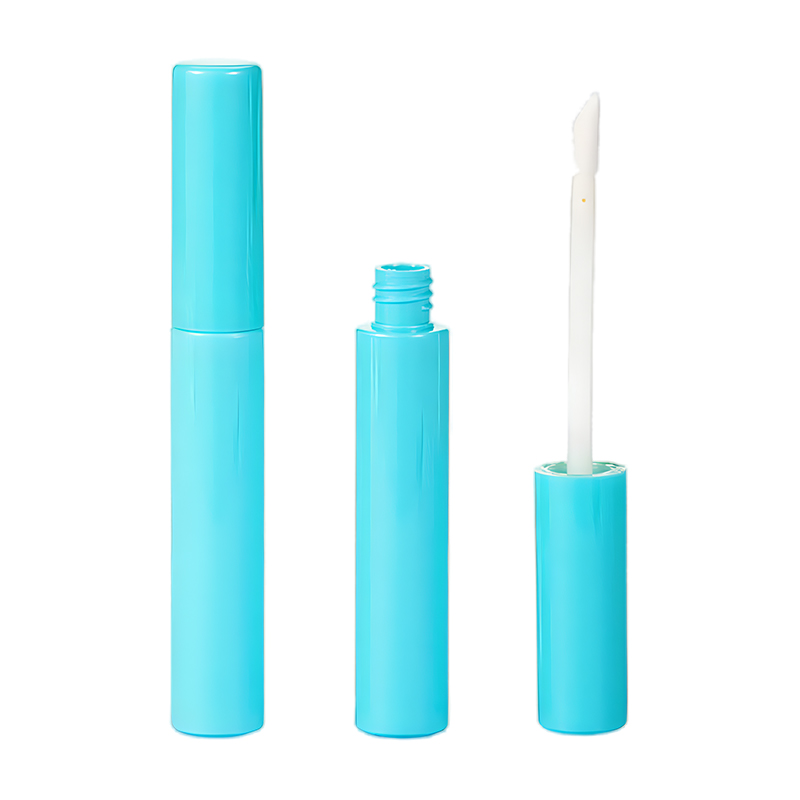
A Dawn Scene, A Glossy Promise
Beauty loves clarity. The clear lip gloss tube sits on a lit vanity like a small lighthouse, guiding color and shine with zero fuss. Picture a pre-dawn shoot, a makeup bag packed tight, and the clock refusing to slow down. In field checks, stylists often report that one in five returns link to leaky or messy components—usually from caps that creep or wipers that fail. So here we are: you need a tool that shows formula truth, packs cleanly, and resists chaos (no drips, no smears, no panic). Can something this simple actually do the heavy lift, and do it better than old-school bulky bottles?

I think yes—and here’s the twist. Design drives the experience as much as the formula does, because a tube is a tiny system. It’s container, wiper, cap, and wand in a precise dance. When the tolerances are right, the gloss flows right. When they are not, waste rises. That is not magic; it’s engineering. Still, the result feels a bit like magic, doesn’t it? Let’s step under the hood and see what really keeps the shine in check—and on your lips.
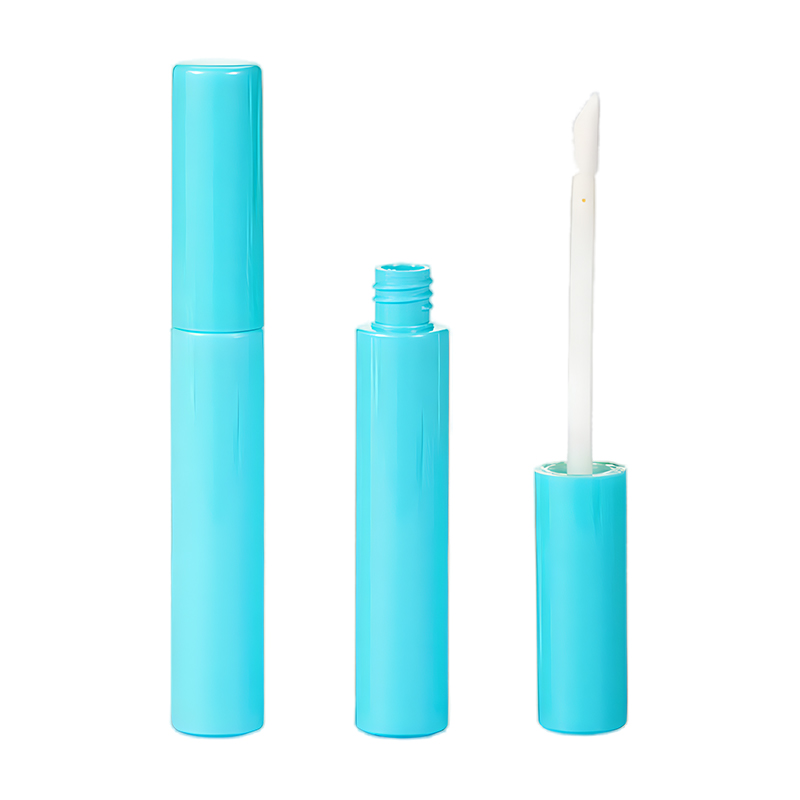
The Hidden Friction Behind the Shine
When we talk about clear lip gloss wand tubes, we also need to talk about the old fixes that never quite worked. Think thicker walls, extra glue, and tighter caps. Those patches add weight, hurt recyclability, and still miss root causes. Real leaks trace back to fit. The wiper and stem must match formula viscosity, or micro-gaps invite air. A poor tolerance stack can undo a perfect cap torque—funny how that works, right? Traditional answers rarely ask why the mess starts. They skip the interface where formula meets wiper, where flow meets friction. Look, it’s simpler than you think: if the seal is not tuned, the gloss will wander.
Where do the old fixes fall short?
Three places: sealing, control, and clarity. Sealing fails when the neck, wiper, and cap are not aligned within tight injection molding limits. Control fails when the applicator pulls too much product because the wiper lip is soft or mis-sized. Clarity fails when haze, dye, or surface stress hides fill level and bubbles. A clean tube should let you audit at a glance. That is why makers now tune wiper durometer, adjust stem polish, and verify caps with QC sampling. Small changes, large peace. And yes, a better hermetic seal means less formula loss and fewer sticky bags.
Comparative Futures: How the Next Tube Wins
Now let’s look forward. New designs rethink the system as a set of matched parts, not one-off pieces. Some use monomaterial bodies to ease recycling, tighter neck finishes for steady cap torque, and precision wipers that meter flow by viscosity band. Others test stems with micro-grooves to reduce backflow and bubbling. A few clear lip gloss tube manufacturers even spec PCR resin without dulling transparency—thanks to improved polishing and mold venting. The principle is simple: hold tolerance, manage shear on the pull, and protect the seal path. If that holds, formula stays pure, and the user stays calm—funny how reliable feels rare, right?
What’s Next
Expect smarter wipers that flex by zone, airless-style valves that cut micro-leaks, and UV-stable bodies that keep color honest in the sun. Expect faster line checks with inline cameras, not guesswork. In short, fewer returns, less waste, and cleaner bags. From here, choose well with three metrics in mind: seal integrity rate after drop tests, wiper-to-formula match by viscosity (in cP), and recyclability score by monomaterial content. Those numbers tell the truth, even when the shelf lights glow. Learn the story, then pick the system that fits your kit, your formula, and your day. For deeper specs and practical builds, see NAVI Packaging.