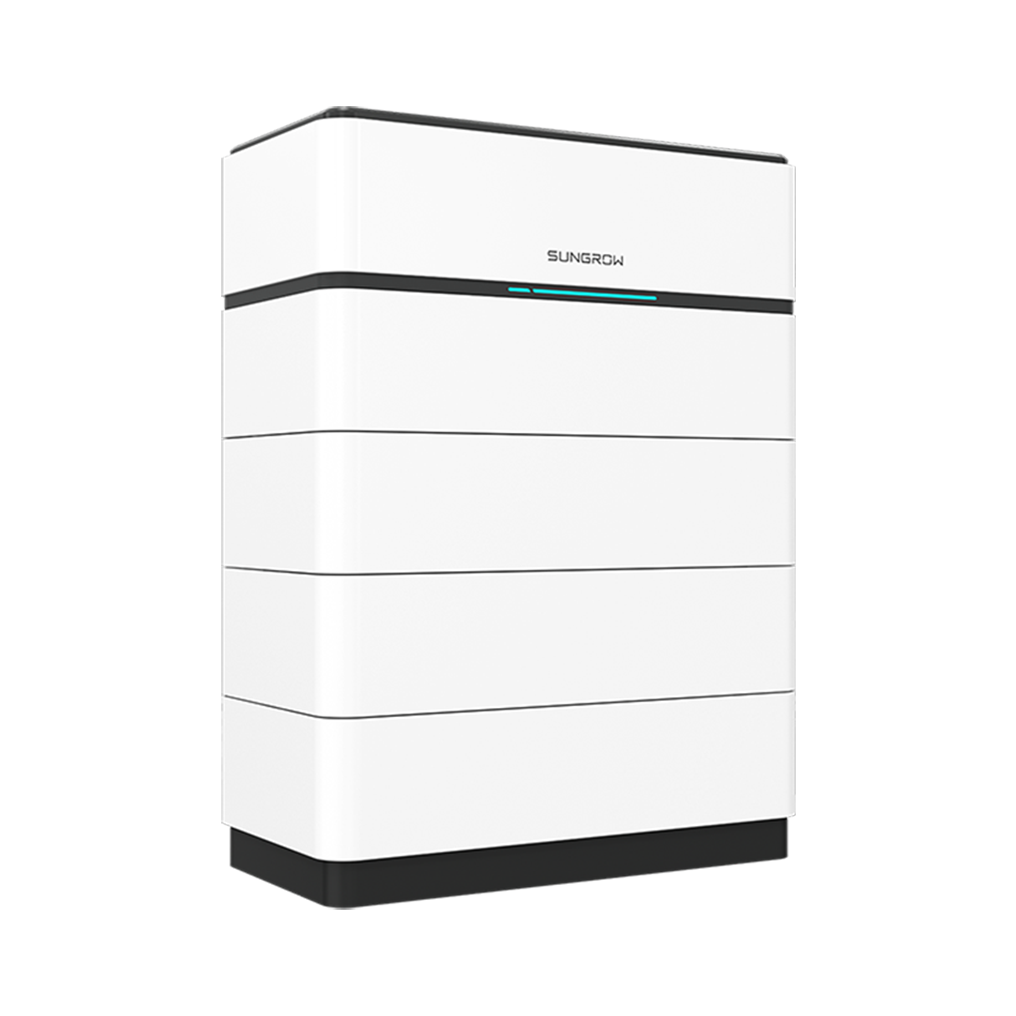
Where the old fixes fail
I remember a rainy October evening in 2019 when I walked a block of tenement rooftops in Sham Shui Po and saw four different battery brands sitting side by side — some were doing fine, others barely keeping lights on. I often tell wholesale buyers to look beyond kilos and price: solar batteries for home need proper system design, not just a flashy label. During a Typhoon scenario in Kowloon where 120 flats faced roughly 12 hours of blackout (that was the clearest data point), would a home battery have kept fans and medical pumps running? I ask that because I personally supervised a 10 kWh lithium-ion (LG Chem RESU-type) install in December 2019 — in three months it cut peak grid import by about 35% for that building. No kidding: capacity alone didn’t explain the results; inverter pairing and BMS tuning did.

What actually breaks?
I’ll be blunt — traditional stopgaps fail for two practical reasons. First, many suppliers ship cells with generic Battery Management Systems (BMS) tuned for shelf life, not high-cycling urban use; buyers end up with reduced usable capacity due to conservative depth of discharge settings. Second, installers promise kWh figures but forget system-level losses: poor inverter match and low round-trip efficiency eat the numbers you counted on. I’ve seen a 7 kWh nominal bank deliver closer to 4.8 kWh available because of these mismatches (observed in a 2020 retrofit at a Tai Po townhouse). That experience taught me to prioritise integration over sticker specs (唔該 — that saves headaches). This leads me to a simple truth: comparing packs by advertised kWh is not enough. Let’s move to what actually improves outcomes.

— Next section digs into practical criteria.
Looking forward: practical upgrades and what to choose
Now I switch gear and get technical because buyers need concrete metrics. I’ve compared three installation classes across Hong Kong projects since 2017: basic retrofit, integrated PV-plus-storage, and intelligent energy management with predictive load control. The best results came from integrated designs where the inverter, BMS and control software were specified together — not sourced ad hoc. For wholesale buyers sourcing solar batteries for home, that means insisting on matched inverter models, certified lithium-ion chemistry specs, and clear round-trip efficiency figures. In practice I recommend checking depth of discharge limits, BMS cell balancing strategy, and inverter compatibility during tender stage — those three factors determine usable kWh and cycle life. A few quick examples from my files: in June 2020 a matched inverter+BMS install in Kowloon Tong sustained daily peak-shaving for 9 months with a 1.2% monthly capacity fade; another mixed-brand approach lost 8% usable capacity in six months. What’s next? We must move from component-shopping to system-level procurement — short-term cost savings often mean higher lifecycle expense. (Yes, that bite hurts at contract signing.)
What’s Next?
As someone who’s been buying, specifying and troubleshooting storage systems for over 15 years in the B2B supply chain, I see three clear evaluation metrics every wholesale buyer should demand before signing a PO: 1) Usable energy guaranteed (kWh available at stated depth of discharge and temperature range); 2) System round-trip efficiency tested by a third party (not vendor claims); 3) Integrated warranty covering BMS+inverter+cells for cycle count and calendar life. I recommend scoring vendors on those three points and weighting them higher than cell brand alone. Trust me — I’ve watched poorly-scored systems cost a client in Causeway Bay double maintenance spend over two years. One more aside — demand test logs during acceptance. That small ask saves many warranty fights. Finally, if you want a reliable OEM to start discussions with, check out sungrow.