A Small-Town Night, Big-Live Data
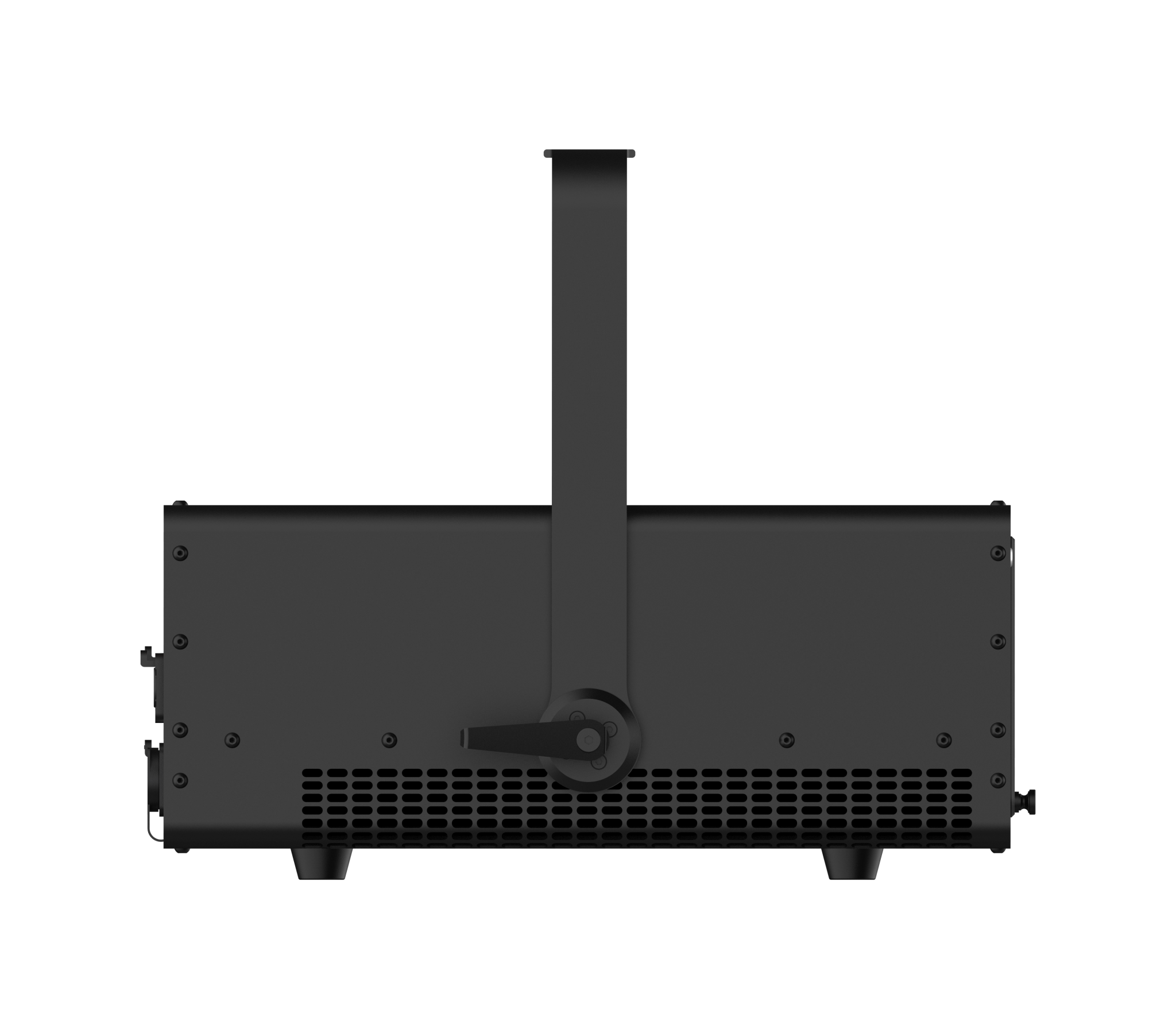
A chilly Saturday at the fairgrounds. The opener is late, the crowd is early, and the sky looks like rain. Stage Laser Lights are already humming under the canopy, waiting on the downbeat. Last season, crews told me load-in times fell by about a third when they switched control rigs, and misfires dropped below 5%—but here’s the rub: why do some shows still look muddy or glitchy when the specs say they shouldn’t?
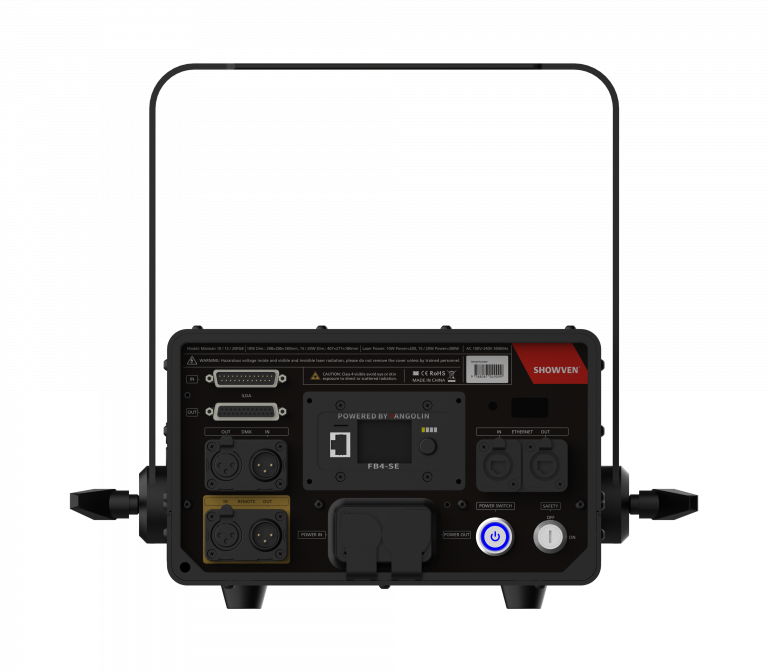
Out here, folks don’t chase jargon, they chase results (bless their hearts). The bus bar feeds, the dimmer racks, the DMX chain—if one hiccups, the show feels it. You can measure lux, power draw, and scan speed all day, but the real question is simple: where are the hidden pain points that keep your beam from landing clean? Let’s head there next and peel back what goes wrong, and why.
The Hidden Snags Behind the Glow
What’s the snag?
When crews spec laser stage lights, they often fight issues you can’t see on a line sheet. Look, it’s simpler than you think. DMX512 chains get long and noisy. Latency creeps up. The ILDA feed looks fine on paper, yet galvo scanners hit their limits at wide throws, so beam divergence grows and your aerials look soft. Thermal throttling cuts output after ten minutes at high duty cycle—funny how that works, right?—and the fix isn’t always “buy a brighter head.” Sometimes it’s better power converters, cleaner grounding, or shorter runs.
There’s also the operator’s grind. Patch changes under time pressure, safety zones drawn by hand, and last-second haze levels that don’t match your cues. A tiny protocol mismatch can force a whole stack to reboot. Meanwhile, the audience sees jitter and thinks “cheap rig.” That stings. You wanted consistent scanning at 30Kpps, but the hang point flexed, the truss shifted a hair, and your alignment wandered. In short: the flaws aren’t only in the fixture. They hide in the workflow, the signal path, the heat profile, and the rigging. Fix those, and the same head can look like new.
Old Rigs vs Smart Systems: Where It Splits
What’s Next
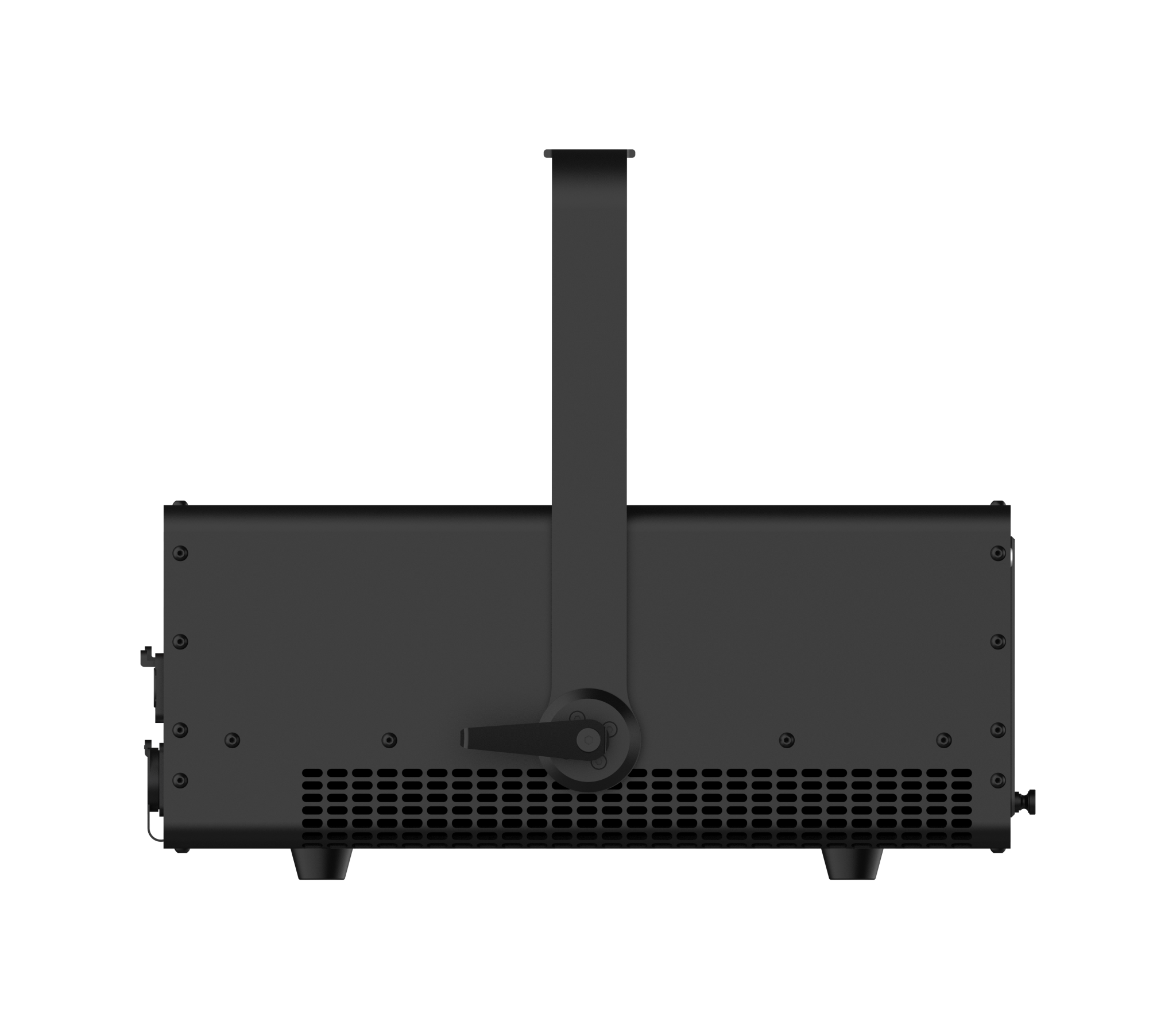
Compare yesterday’s habits to today’s principles and the gap is clear. Legacy stacks push all brains to front-of-house; modern rigs distribute them as edge computing nodes on the truss. Instead of a single DMX universe choking, you run Art-Net or sACN with priority and health data. Fixtures auto-calibrate with onboard IMUs and encoders, logging tilt drift and beam offsets. IP65 housings keep dust out; smarter PWM drivers keep fans quiet without cooking the diodes. The result isn’t just brighter looks. It’s stable color mixing, tighter safety zones, and fewer mid-show resets— and that’s no small thing.
Here’s a quick view from the road. A mid-size tour moved six heads to networked control and adopted remote health checks for concert lasers. Load-in dropped by 22%. Cue errors fell by almost half. Power spikes smoothed after they updated PFC on the mains and trimmed beam paths to reduce galvo stress. The show felt calm. Techs watched node statuses like traffic lights; if a head got hot, cues adapted in real time. Not magic. Just better telemetry, cleaner signal, and fewer human landmines.
Choosing Wisely When the Lights Hit
Here’s how to gauge your next step without chasing buzzwords. First, measure signal integrity, not just brightness: look for protocol support beyond DMX512—think sACN/Art-Net—and check for live diagnostics, scan speed reporting, and error logs you can export. Second, test thermal behavior: run a 15-minute stress cue, watch duty cycle and output slope, and verify that power converters and cooling keep you above your target luminance without throttling. Third, confirm alignment resilience: hang, bump, and recheck; auto-homing with encoders and IMU data should land you within spec, and beam divergence should match your throw distances. Those three metrics beat marketing every time.
So, what did we learn? The “bad show” rarely comes from a single weak fixture. It’s the chain: control, cooling, optics, and setup time. Shift some brains to the rig, instrument the path, and give your team better guardrails. Then the lasers do what they were meant to do—paint the air, steady and sharp, night after night. If you need a place to start looking for these design cues, keep an eye on how makers document telemetry and control, like you’ll see at Showven Laser.