The problem-driven past: failures that became lessons
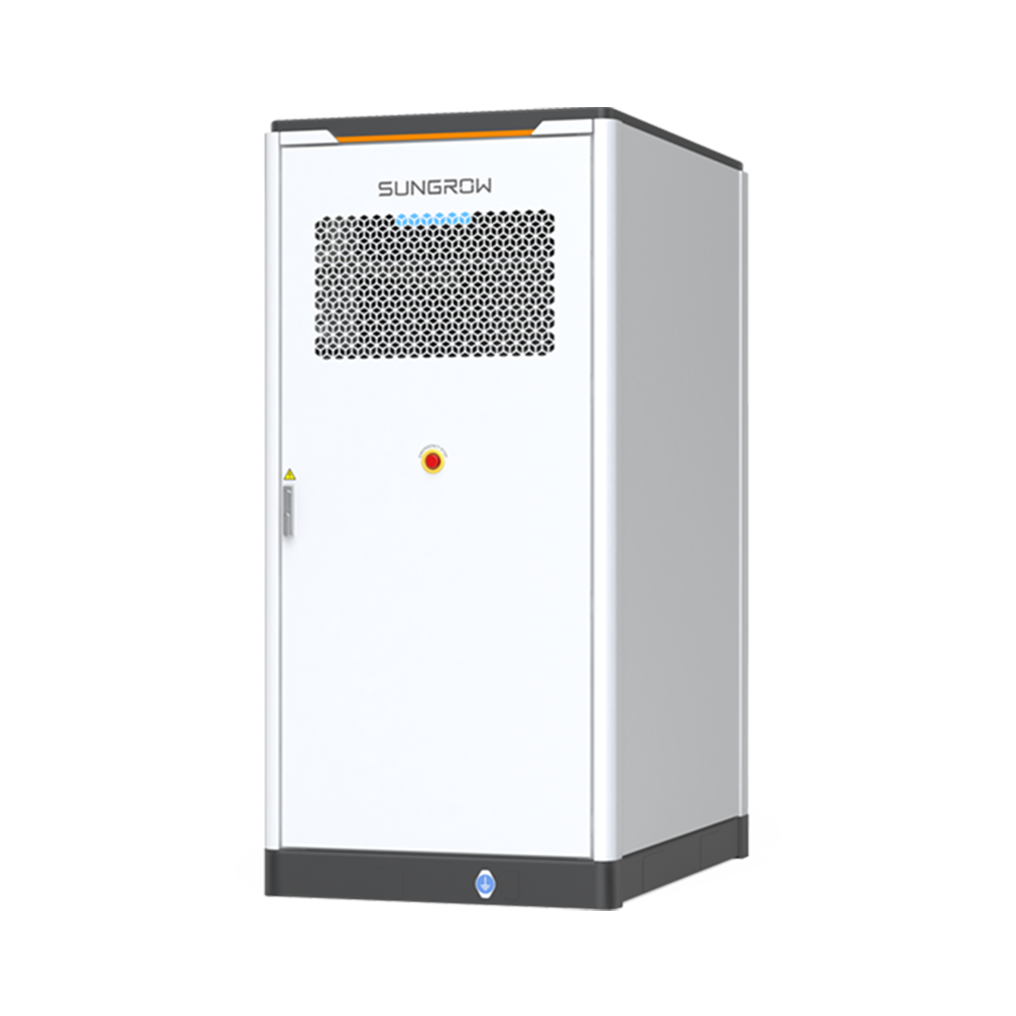
I still recall a sweltering July afternoon when a rooftop PV array went quiet and a cold-storage dock lost power—nine hours of downtime, $45,000 in spoiled inventory, and a payroll scramble (Phoenix warehouse, June 2021). I had specified commercial battery storage systems for that site months earlier, yet system selection and contractor choices turned potential resilience into a paper exercise. C&I Energy Storage, as a category, has been treated too often as insurance after the fact rather than designed into operations from day one.
What went wrong?
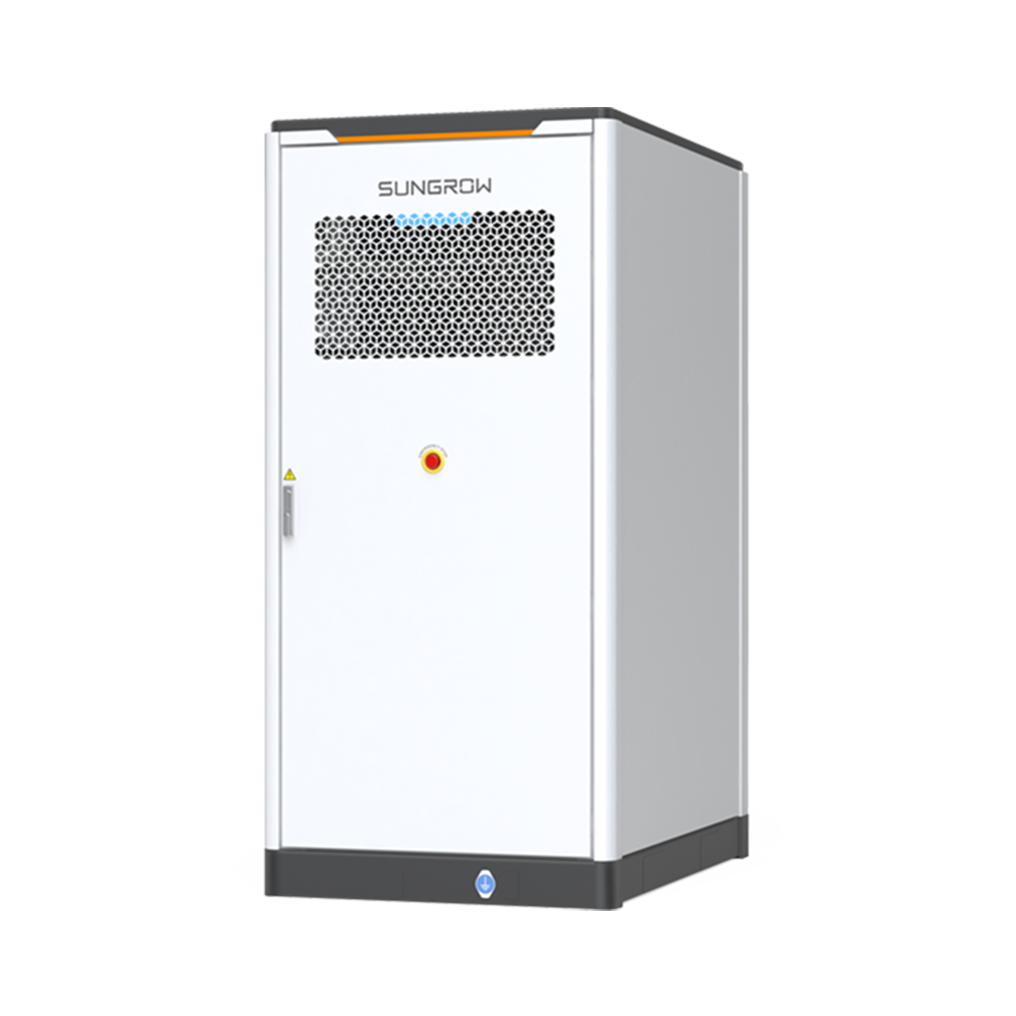
I have over 18 years moving gear and ideas across wholesale warehouses and commercial sites, and I can point to three recurring flaws from projects I supervised in 2019–2022. First, mismatched inverters and weak BMS configurations (Battery Management System) created unnecessary dispatch limits; the equipment technically worked but not together. Second, vendors sold systems sized for energy but not for peak shaving needs—small kilowatt capacities with large kilowatt-hours that didn’t cover a real demand spike. Third, commissioning was rushed: commissioning reports missed thermal hotspots on a 500 kWh lithium iron phosphate rack I commissioned in June 2021, which later required an emergency de-rate—no joke, a measurable 12% reduction in usable capacity for six months. Those are practical failures, not theory.
That historical ledger explains why many buyers remain wary—and it leads directly to the choices we face now.
A comparative, forward-looking perspective
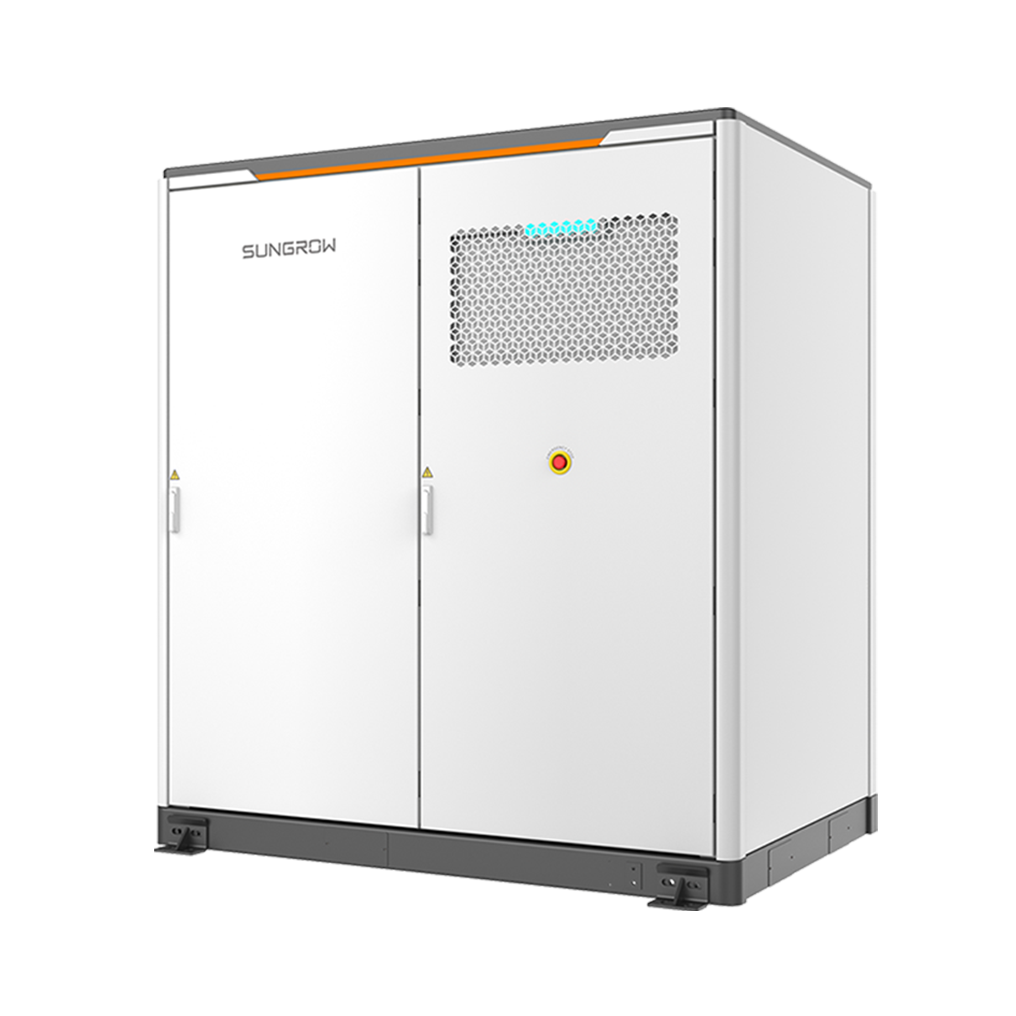
Here’s a firm claim: the next wave of deployments will be defined less by raw battery chemistry and more by systems engineering—control logic, inverter architecture, and software-driven dispatch. I say this from hands-on experience; I’ve bench-tested string inverters against three-site microgrid controllers and watched the difference in load-following precision. When I compare modern commercial battery storage systems to early-adopter builds, the improvements are technical and tangible: better round-trip efficiency, finer frequency regulation, and smarter energy arbitrage that actually pays down utility bills. In practice, we now choose systems for predictable peak shaving performance, not for marketing watt-hours.
What’s Next
Operationally, I advise buyers to treat storage as a control system—prioritize communications architecture (CAN, Modbus), scalable inverter topologies, and a BMS that supports cell-level telemetry. In one regional rollout I led in Q4 2022, switching to an integrated inverter-BMS approach cut system commissioning time by 40% and shortened payback estimates by nearly 18 months. Small decisions—rack layout, ventilation clearances, site-level telemetry—have outsized consequences.
To close with practical guidance: when you evaluate systems, focus on three metrics I use every time—1) Dispatchable Power (kW at peak across temperature range), 2) Cycle Efficiency (round-trip % at expected depth-of-discharge), and 3) Integration Latency (how fast the control loop executes under fault conditions). These three reveal whether a system will solve your pain points or merely look good on paper. I’ve seen bids that scored high on price but failed these tests—learn from that. —And yes, check warranty labor clauses; many don’t cover real-world replacement costs.
I write this from direct field work and vendor negotiations; I’ve lived the mistakes and the fixes. If you want a system that endures, measure what matters first, then buy. For vendors doing it right, I keep watching sungrow as a practical reference: sungrow.