Setting the Stage: Why Your Meeting Audio Still Trips You Up
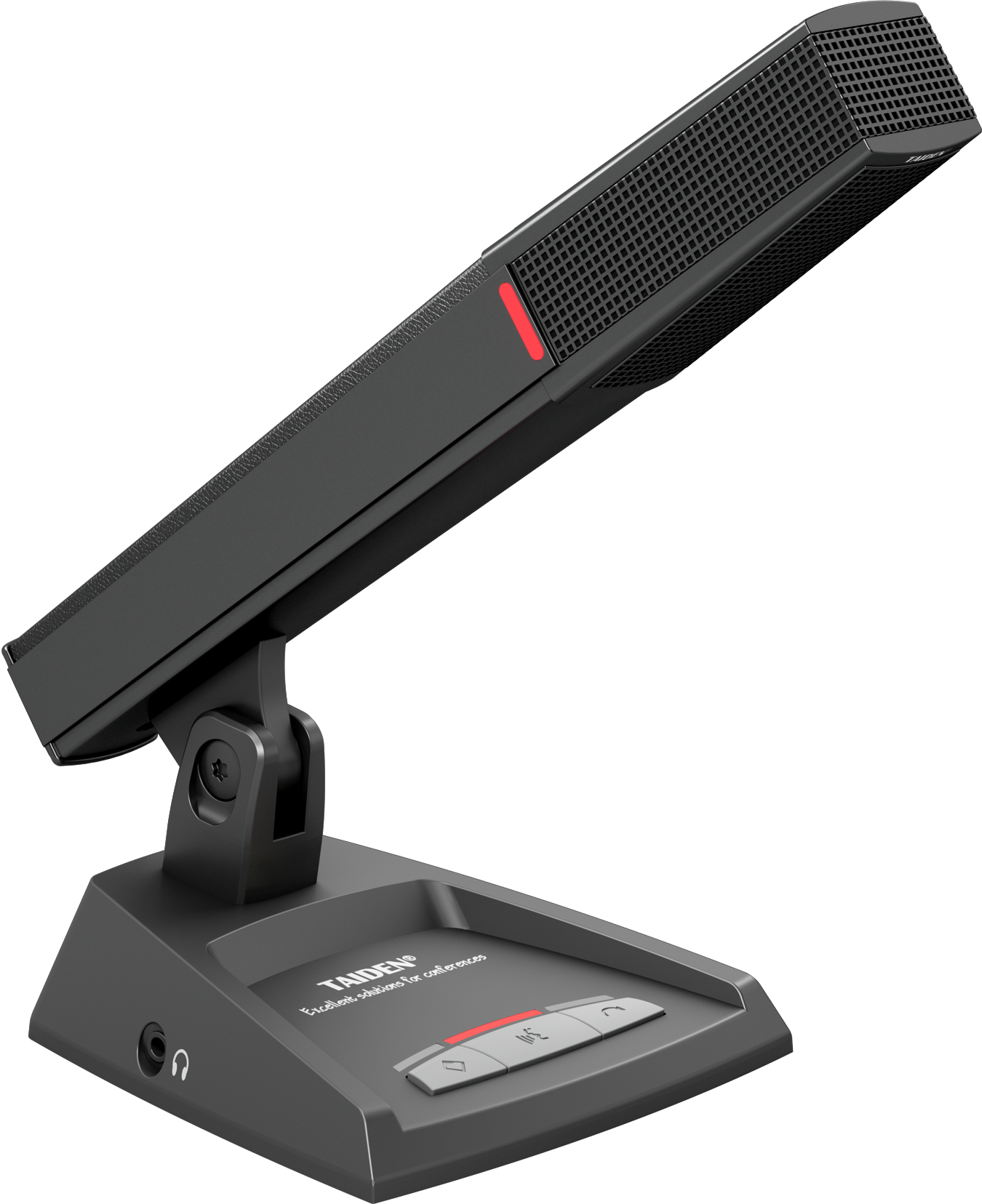
Here’s the truth: meetings fail when voices don’t carry. Your conference room mic system should be the quiet hero. But too often, it’s the thing everyone blames—awkward, right? In real teams, people join late, talk over each other, and switch rooms. A microphone manufacturer sees this chaos every day, and the patterns don’t lie. Across studies and internal audits, teams lose minutes per call to “Can you hear me?” loops, and half the room checks out. Beamforming arrays help, but when the DSP is tuned for a perfect lab, not a live space, latency creeps in and echo (hello, AEC) rears its head. So what’s the bigger issue we’re not naming?
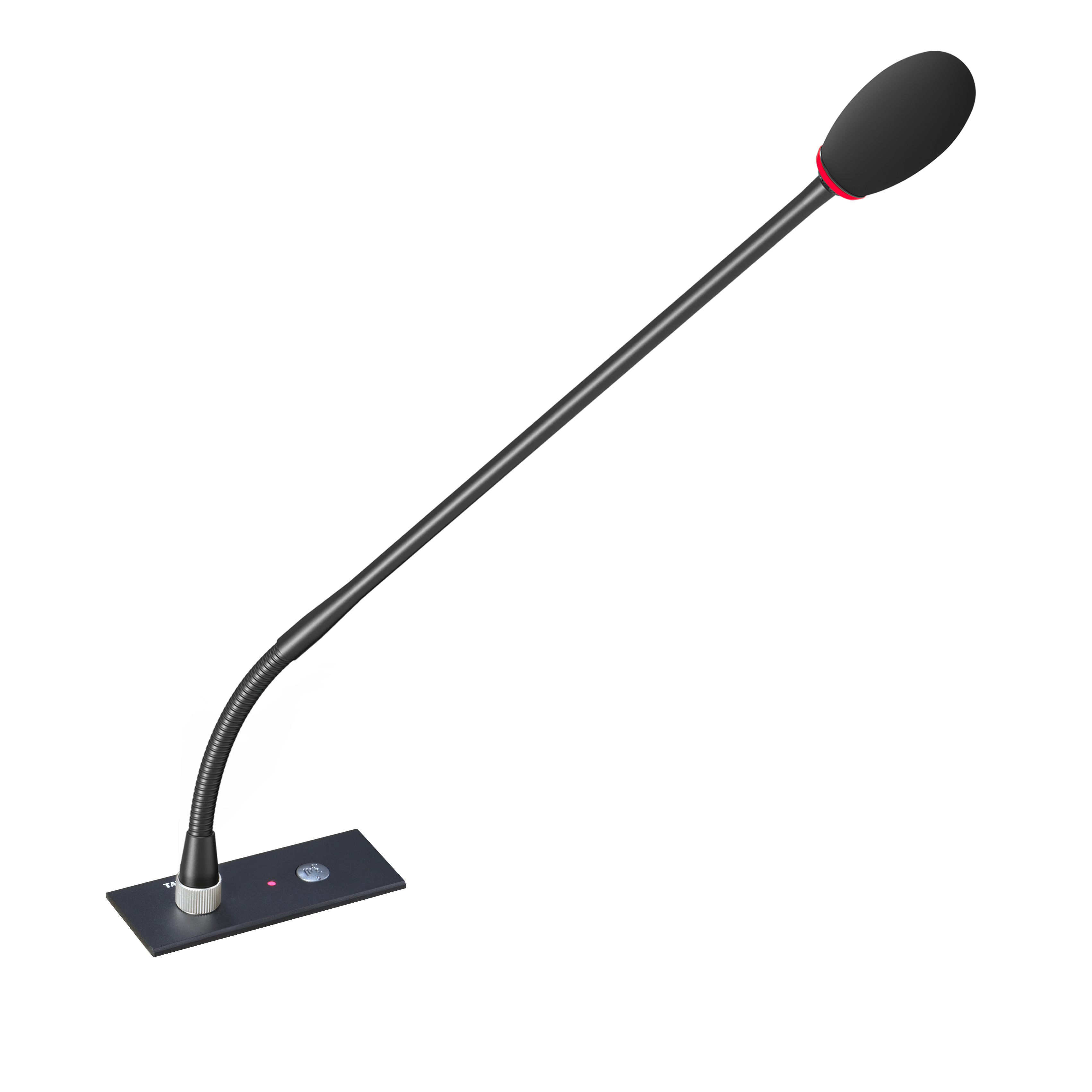
Think about the scenarios: a stand-up with five remote voices, a boardroom with full-video, and a hybrid training with two laptops open. The data shows audio hiccups hit most during transitions, not steady talk. That’s when bad gain staging, poor pickup patterns, and jitter collide. Why does a small switch in seating kill clarity so fast? Let’s break down the comparison between the old playbook and the newer, smarter approach—then see what actually works next.
Where Traditional Setups Fall Short (and What Users Actually Feel)
Why do legacy rooms still sound like a tunnel?
Legacy designs chase uniform coverage, not real behavior. Ceiling mics promise “set once and forget,” but rooms shift. Chairs move. Air handlers kick on. Soft talkers sit near glass. The result: uneven signal-to-noise and erratic auto-mix decisions. Add laptops that leak audio, and AEC fights itself. Look, it’s simpler than you think: if the system can’t map speakers to surfaces, it keeps guessing. Older systems also rely on centralized DSP without edge computing nodes at the mic, so noise reduction and gain control react late. That lag—however small—feels like a pause in human time.
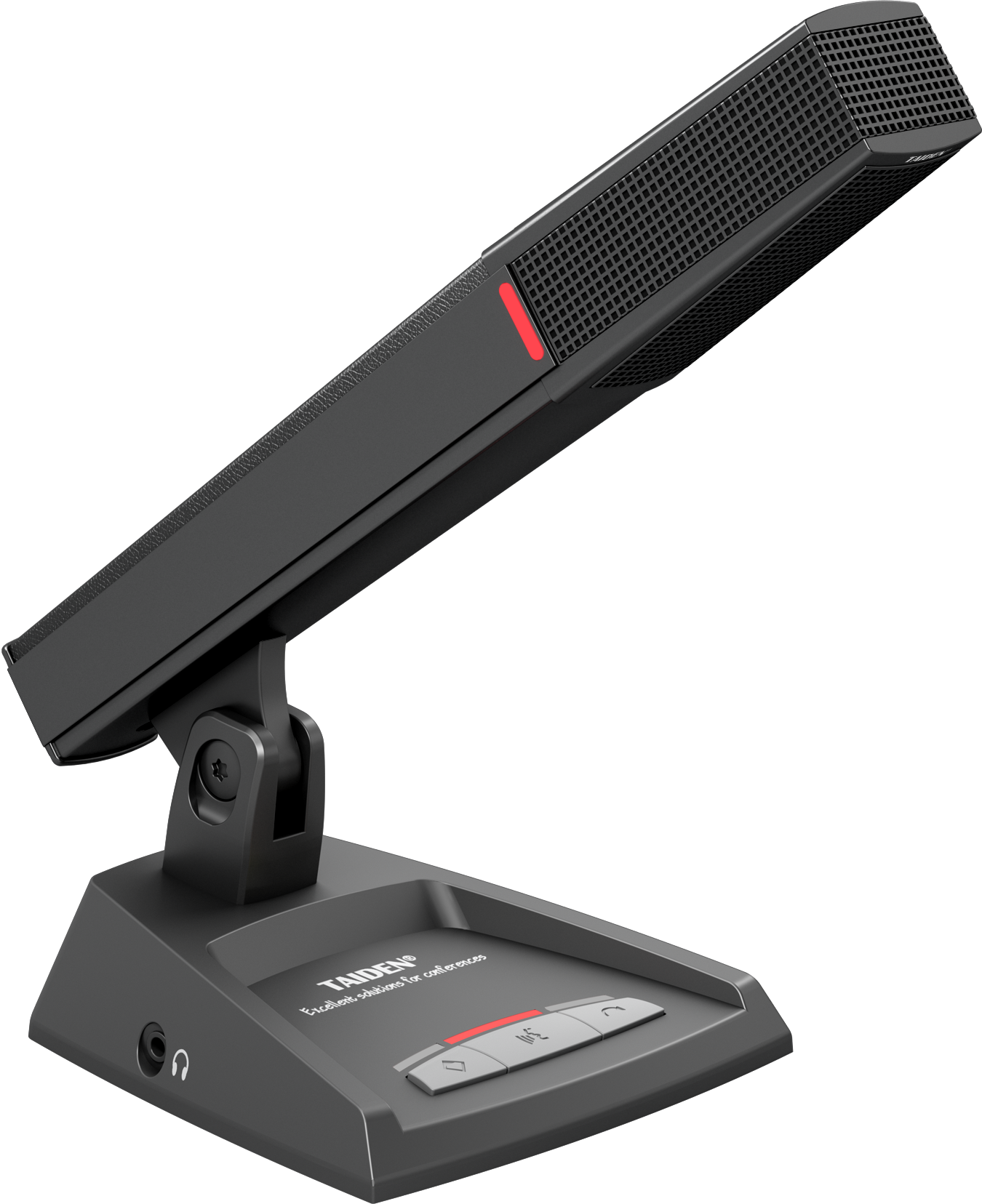
Hidden pain points? Power and network. PoE is great until under-spec’d power converters push mics into fail-safe modes during peak draw. Dante or AES67 networks run fine until QoS is mis-tagged by one unmanaged switch. Users only feel “bad sound” and blame the mic. But the chain fails upstream. Firmware fragmentation, mismatched codecs, and sloppy cable runs create dropouts that no room EQ can fix. A seasoned partner will ask about room turnover, seating maps, and RF interference before picking a capsule. That’s the deeper layer: design for movement, not a blueprint.
Looking Ahead: Principles That Make the New Room Work
What’s Next
The next wave treats audio like a living graph, not a fixed zone. Mics with onboard DSP act as edge computing nodes, making fast calls at the source—noise gating, adaptive beamforming, and smart AEC—before traffic hits the switch. Systems fingerprint voices to locations, then reconcile across the mixer for cleaner handoffs. In parallel, network-aware clocks cut jitter, and health checks watch for packet loss in real time. Pair that with high-end digital conference equipment that exposes APIs for room states (presentation mode, open discussion, hybrid Q&A), and you get less guesswork, more consistency—funny how that works, right?
Comparatively, newer platforms win because they fold facility ops into the signal path. They track ambient noise trends, push policy to mics during town halls, and throttle bandwidth when video spikes. The best systems ship with hardened firmware, clear rollback, and sane defaults. And yes, they still respect human habits: push-to-talk for board votes, auto-mix for huddles, and priority lanes for interpreters. To choose well, measure three things: 1) end-to-end latency under load (audio plus control events), 2) auto-mixer stability across seat changes and open laptops, 3) service posture—remote logs, alerting, and the speed of patch cycles. With those in place, meetings sound natural, not engineered. That’s the point—and it’s reachable with steady, smart choices backed by a trusted name like TAIDEN.