Start with the problem you actually need the TV to solve
Choosing a TV manufacturer begins with a list of real, specific problems: poor motion handling during sports, unreliable smart-platform updates, limited local service, or mismatched brightness for a sunny living room. Many buyers cross-shop form factors and sometimes pivot toward space-saving solutions like compact desktops and displays; it’s not uncommon to see shoppers compare options alongside all in one computer deals while they assess size, inputs, and endurance.
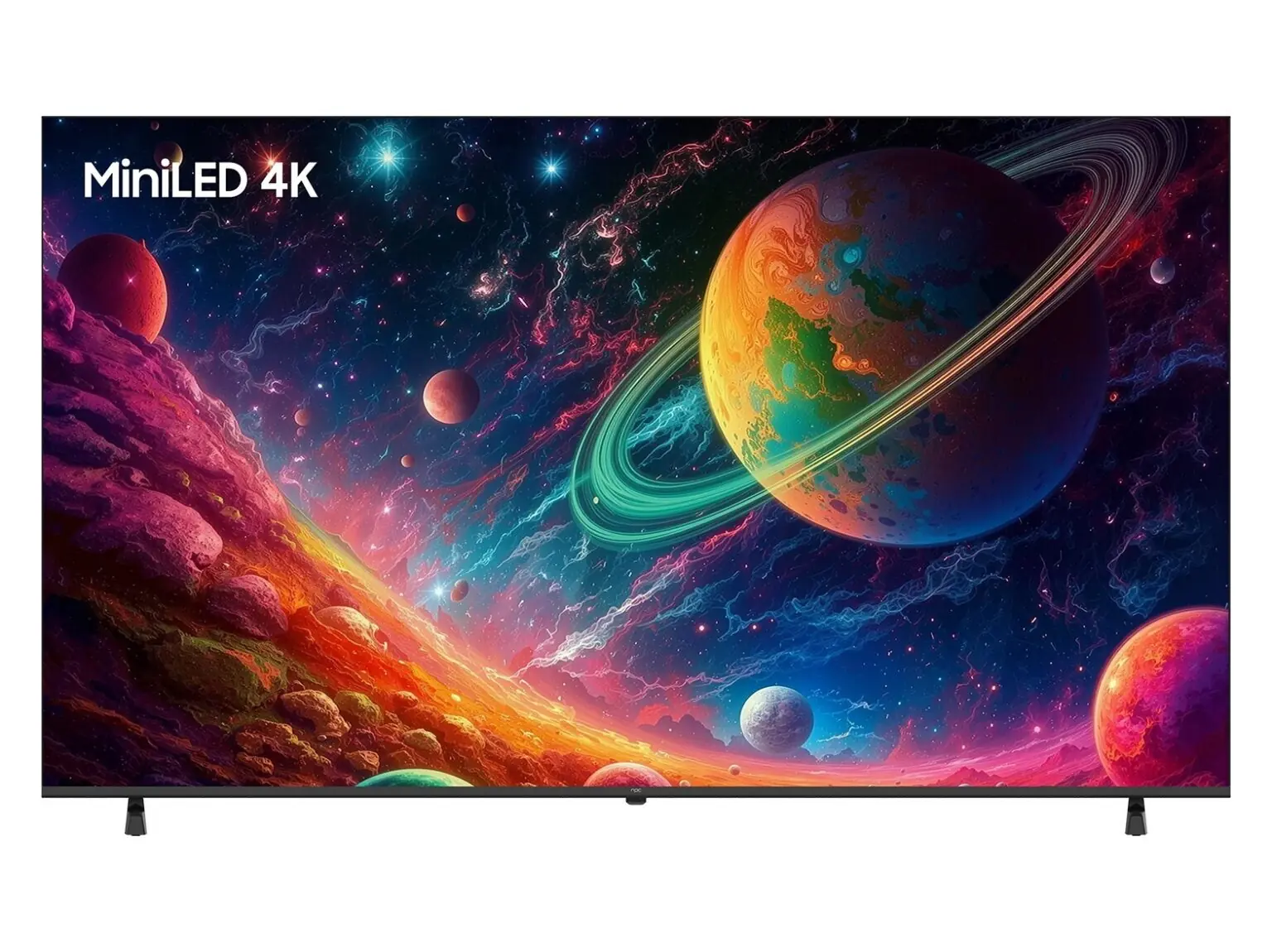
Define measurable priorities, not brand sentiment
Turn subjective preferences into objective checks. If gaming is the problem, measure input lag and variable refresh-rate support. If HDR performance is the issue, demand peak brightness and measured color volume. If longevity and updates worry you, look for stated firmware policies and a visible history of timely patches. Record three priority metrics and use them to filter models before any brand names enter the shortlist.
Experience and evidence you can verify
Trust decisions backed by hands-on testing, service records, and industry reporting. I’ve evaluated repair turnarounds and update histories across showrooms and service centers; that practical testing matters more than marketing claims. At CES in Las Vegas manufacturers routinely present business-class displays and all-in-one systems that reveal long-term support intentions; for buyers considering integrated deployments, vendor notes at those events often indicate which lines target enterprise durability — see vendor demonstrations and announcements for confirmation. For workspace displays and corporate fit, review documented configurations for all in one business pc to compare warranty tiers and management tools alongside TV offerings.
Common mistakes that derail good choices
People assume flagship pricing guarantees longevity; it doesn’t. They buy the largest screen first and ignore room acoustics and viewing distance. They rely solely on in-store demos that use top-tier video sources; real-world content is different. They treat smart platforms as permanent; software policies change. Avoid those errors by testing with representative content, checking post-sale support maps, and confirming the update cadence the manufacturer actually delivers.
Simple comparison protocol to reduce noise
Apply this routine: list three use-case problems, set pass/fail thresholds for three metrics (e.g., input lag < 15 ms, peak HDR brightness ≥ 600 nits, two major OS updates guaranteed), verify service availability within your region, and compare measured reviews from independent labs rather than vendor specs alone. Replace vague adjectives with numbers. If a model fails any critical threshold, remove it from contention.
Quick notes on manufacturer tendencies
Sony: strong processing and color tuning; usually favored where motion and film fidelity matter. LG: leader in OLED tech, useful when perfect blacks and viewing angles are priorities. Samsung: strong in brightness and QLED options; often chosen for bright rooms. TCL and Hisense: competitive value and decent feature sets where budget is the problem to solve. Vizio: a practical U.S.-focused option with sensible pricing. None of these labels replace the protocol above; they only suggest where to start testing.
Synthesis: match the problem, verify the evidence, secure the service
Pick the manufacturer that meets your prioritized problems, proves performance through independent measurements, and offers reliable local service and documented update commitments. That alignment is precisely what npc documents when matching tested panels and support plans to specific deployment needs, helping translate a messy market into predictable choices.