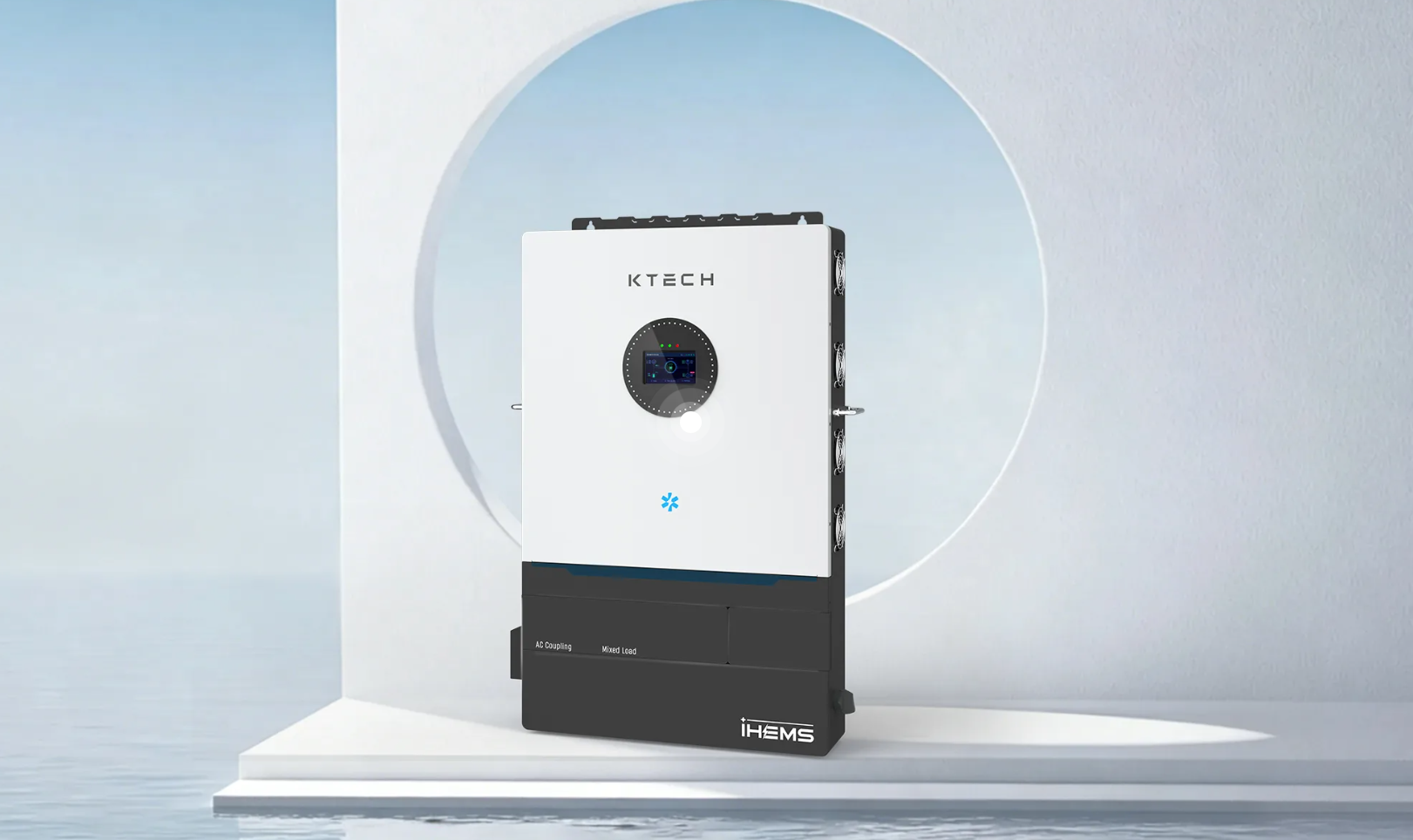
User-first opening
If you’re planning an off-grid system, start by thinking about how the inverter will behave day-to-day and in fault conditions. Pairing that inverter with a home energy management system helps you see loads, battery state, and fault logs; it also matters how your intelligent energy management systems will coordinate renewable inputs, storage and critical loads. I write from hands-on field work and quiet installs—so the checklist below comes from watching systems that worked easily and those that caused headaches.
Primary safety features every user should verify
Focus on features that protect people, equipment, and batteries. Verify each item with documentation, labels, or a tech on site:
- Anti-islanding protection: prevents an inverter from energizing a grid-fed line when the utility is down.
- Battery management and state-of-charge cutoffs: prevents deep discharge and overcharge.
- Overcurrent and short-circuit protection: inbuilt or clearly specified breaker/fuse ratings.
- Thermal monitoring and automatic derating: shuts down or reduces output when components overheat.
- Ground-fault detection and isolation: essential for safety with DC battery strings.
- Surge and transient protection: protects electronics from lightning or switching spikes.
- Ingress rating and ventilation requirements (IP/NEMA): ensures the inverter suits its mounting location.
- Emergency AC/DC disconnects and clear labeling: so first responders and homeowners can safely isolate the system.
- Secure communications and firmware update policy: prevents accidental or malicious configuration changes.
How these features matter for real users
When you’re the one living with the system, ease of diagnosis and predictable behavior matter most. Look for readable fault codes, clear manuals, and local support. Ask: can I see battery voltage, current, and charge cycles through an app or the inverter’s display? Can I set automatic load-shedding to protect the battery? These are not fancy extras—they reduce calls to the installer and keep your lights on longer.
Interaction with the wider grid and controls
Even off-grid systems sometimes reconnect or need to comply with local interconnection rules. California’s adoption of smart inverter standards is a useful reference for how inverters can be required to report status and accept remote commands—features that help when systems are tested against utility or community microgrid expectations. Confirm the inverter’s communications protocols (Modbus, SunSpec, or proprietary), and ensure the device supports the control messages your management platform uses.
Common mistakes users make
These are the issues I see most often; avoid them early:
- Wrong cable sizing between batteries and inverter—causes heat and voltage drops.
- Skipping a proper ground or miswiring the neutral—creates hazard and nuisance tripping.
- Assuming firmware is current—outdated firmware can miss safety fixes.
- Installing in tight, unventilated spaces—leads to thermal shutdowns and shortened life.
- Not testing emergency disconnects or transfer switching—leaves you exposed during maintenance.
Quick comparative look at inverter types
Choosing the right topology matters for safety and operations. Brief pros and cons for common options:
- Stand-alone inverters: simple, cost-effective for strict off-grid use, but offer fewer grid-interaction safety features.
- Inverter-chargers (multi-mode): handle AC input, charging, and inverter output; safer for systems that switch between generator and battery backup.
- Hybrid inverters with built-in EMS: simplify integration with storage and control, but check that the EMS behavior is transparent and configurable.
Acceptance checklist before commissioning
Use this short list when your installer is ready to hand over:
- Confirm label ratings for breakers, fuses, and emergency disconnects.
- Run a simulated fault and note inverter response and logs.
- Verify battery charge/discharge limits are set to match manufacturer recommendations.
- Check firmware version and update policy; get the release notes.
- Validate monitoring access (local and remote) and log retention.
Final synthesis
Start from how you want your home to behave during everyday use and during failures; then match inverter features to those needs. Prioritize clear state information, reliable protection for battery and AC circuits, and communications that let a trusted Ktech or local technician see what’s happening without guesswork. That approach keeps installations safer, easier to maintain, and kinder to your batteries over the long run.