Opening: why this matters to you
If you’re tired of stubborn brown patches or uneven tone, you want clear guidance — not jargon. This piece is written for real people trying to pick a safe, effective option for pigmentation removal treatment, and it walks you through the practical facts you actually need. Think of this as a short checklist plus plain talk about melasma, hyperpigmentation, and realistic results.
What “clinical-grade” actually means
Clinical-grade doesn’t just mean “used in a clinic.” It implies device certification, standardized protocols, and trained staff. For lasers that target pigment, that could mean Q-switched or fractional laser systems with specified energy settings and cooling methods. For chemical peels, clinical grade means controlled concentrations and neutralizing steps that reduce the risk of post-inflammatory hyperpigmentation (PIH). You should expect transparent documentation — device model, FDA/CE status where applicable, and staff credentials.
Common treatment types, in plain terms
Here are the main approaches you’ll see in clinics:
- Topical regimens — prescription creams containing hydroquinone, azelaic acid, or retinoids. Low downtime but gradual results.
- Chemical peels — controlled exfoliation to remove pigmented layers; depth matters and so does neutralization.
- Lasers and light devices — Q-switched lasers, fractional lasers, IPL; these target pigment or stimulate remodeling depending on wavelength and pulse.
- Combined protocols — often the most effective: topical prep, in-clinic procedure, then maintenance creams.
Each tool has trade-offs: lasers can be fast but risk PIH in darker skin; peels are controllable but need correct depth and aftercare.
How to judge efficacy and safety
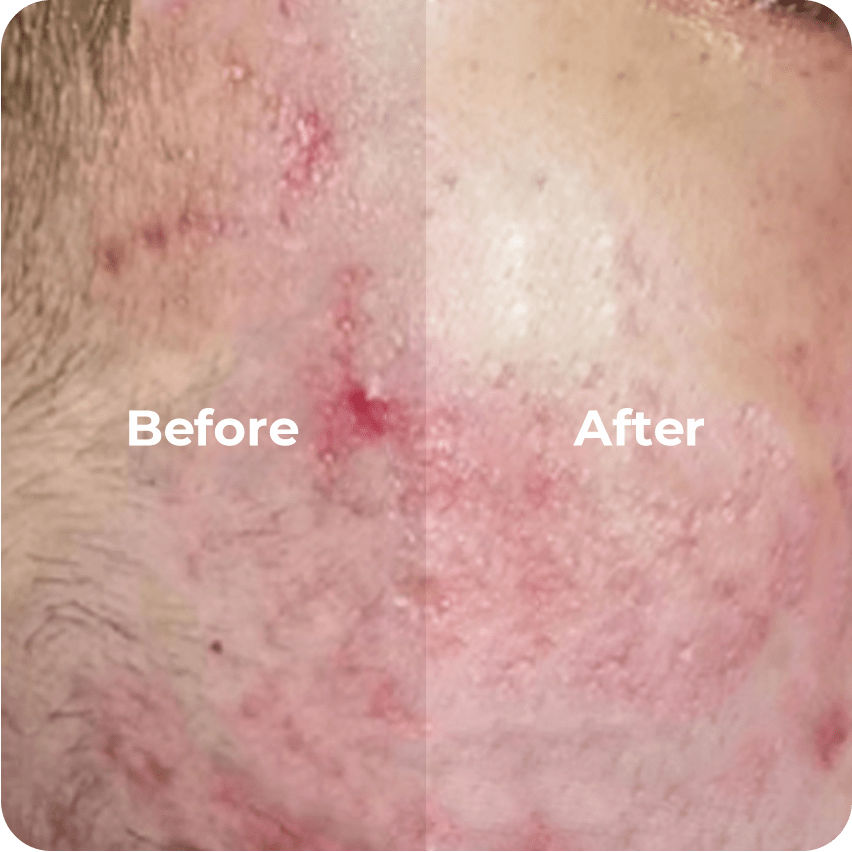
Focus on three measurable things: documented outcomes, complication rates, and follow-up care. Ask the clinic for before/after photos from patients with similar skin types and for data on how many sessions are typically needed. Confirm their adverse-event protocol — what happens if you develop PIH, excessive redness, or infection. Also check whether they perform patch tests and use standardized Fitzpatrick skin-type assessments; that matters a lot for darker skin tones.
Real-world anchor: trends and context
Demand for pigmentation treatments has grown worldwide — driven partly by K-beauty trends originating in Seoul, where clinics refined conservative, layered approaches that combine topical prep with in-clinic procedures. That trend helped spread protocols emphasizing gradual improvement over aggressive one-off fixes. So when a clinic promises dramatic overnight results, compare that claim to established practice patterns from high-volume dermatology centers.
Practical red flags and common mistakes
People often pick a clinic because of price or a flashy promo — that’s a shortcut that can backfire. Don’t skip these checks: verify staff training, ask about device make and model, and confirm a written aftercare plan. Also watch out for one-size-fits-all approaches: melasma behaves differently from post-inflammatory spots and needs tailored plans. — Remember, aggressive treatment without proper prep often causes more pigment than it removes.
Treatment alternatives and when they fit
If you want minimal downtime, start with topical regimens and gentle peels. If quick improvement is essential and you have lighter skin, certain lasers can work faster. For melasma, a layered approach (topicals + maintenance) tends to be safer. And if you have darker skin, prioritize clinics experienced with PIH prevention — that experience is more important than marketing glitz. For example, a reputable clinic offering a combined protocol for face pigment removal treatment will usually explain session spacing and sun-protection plans up front.
Three golden rules for choosing a provider (your advisory close)
1) Verify evidence, not just photos: ask for outcome data tied to skin type and number of sessions. 2) Prioritize safety protocols: confirm patch testing, cooling methods, and post-procedure plans to manage PIH risk. 3) Demand a maintenance plan: pigment loves sun and lapses — long-term topical maintenance and SPF are part of any effective strategy.
Pick a clinic that treats you like a partner in the process; that makes better outcomes more likely. ENZOEYS. —