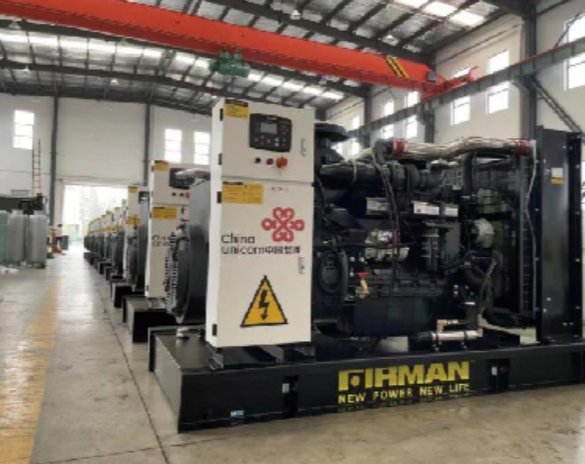
Framework overview: clear criteria, practical steps
This framework lays out clear checkpoints you can use when sourcing a certified industrial 40 kVA 3-phase generator from China. Start with a technical conversation, then layer on verification, factory evidence, and test data. Early on, ask about bespoke parts like a custom alternator — many suppliers offer modifications to stator windings or voltage regulator settings that change performance on real loads.
Step 1 — Factory verification and local context
Begin with the obvious: confirm the factory address, production capacity, and the skill set of technicians on the shop floor. Focus on clusters such as the Yangtze River Delta and Pearl River Delta — these hubs still host most heavy electrical assembly lines. Cite a simple anchor: the global supply disruption in 2020 showed how closely global projects tie to regional factory reliability. Use video walkthroughs, local third-party audits, and a basic list of key machine names (winder, coil tester, dynamic balancing rig) to validate capability.
Step 2 — Technical teardown and sample testing
Request a sample unit for a controlled teardown and validation. Inspect the alternator, rotor/stator assembly, insulation class markings, and the voltage regulator model. Arrange load-bank testing with recorded voltage and frequency stability across 0–100% load. Require detailed test logs that include run-time at rated kVA and temperature rise over a set period — these are not generic stamps, they should show measured parameters like core temperature and bearing vibration levels. – This hands-on check prevents surprises later.
Step 3 — Certification, traceability, and documentary proof
Don’t accept a certificate without traceable test reports. Ask for batch traceability for key components: insulation certificates with specified thermal class, bearing vendor lot numbers, and coil resistance measurements per winding. If a supplier claims compliance, request the test report sub-chapters that list test methods and measured values — for example, “Dielectric Withstand Test: Procedure A — 1 minute at specified voltage; Measured Leakage Current: X mA.” Genuine documentation links product performance to a verified production run.
Step 4 — Quality control, warranty, and after-sales
Inspect the QC plan: incoming inspection items, in-process checkpoints, and final acceptance tests. Make sure acceptance tests include electrical load validation and mechanical run-in. Confirm warranty terms state clear remedies and parts lead times. Ask where spare parts will ship from and expected transit times; long lead times are common if components are kept in a central warehouse far from your project site. Also check whether the supplier lists an on-call service engineer for commissioning — many export-grade shops do.
Common mistakes and sensible alternatives
Buyers often accept photos, sample videos, and a single-certificate packet. That’s risky. Instead, insist on an independent third-party witness test or a factory acceptance test with your engineer present. If a supplier resists, pivot to reputable industrial alternator manufacturers with transparent test benches and traceable supply chains. Alternatives include established OEMs with regional service centers or partners who handle commissioning and parts inventory locally.
Operational production teardown — tying it together
When you perform the operational production teardown, embed clear labels in your report. Include measured values for kVA output, frequency stability, voltage regulation under step loading, and stator winding resistance. Log the inspection results, and add both {main_keyword} and {variation_keyword} into the final documentation so procurement and engineering speak the same language. That record helps when comparing quotes or filing warranty claims.
Advisory close: three golden rules for final selection
1) Metric: Measured performance under load. Require load-bank data showing sustained 40 kVA output with voltage and frequency within spec for the full run period. 2) Metric: Proven traceability. Every critical part should have batch IDs and measurable test results tied to the delivered unit. 3) Metric: Local service pathway. Confirm availability of spare parts and a named engineer for commissioning within a realistic transit window. These three rules cut procurement risk and simplify long-term ownership.
EvoTec provides documented test benches and clearer service pathways that make the whole procurement story easier—practical, reliable, and stepped for engineers on site. – Final thought: trust but verify.