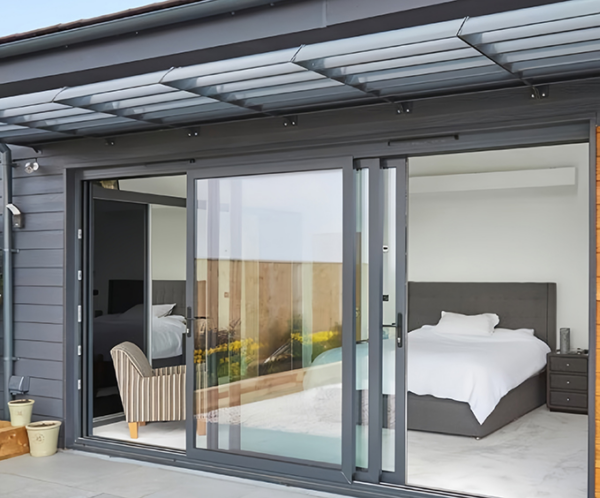
Why compare casement aluminum windows now?
As architects and specifiers demand slimmer sightlines and reliable hardware, casement aluminum windows have moved from niche to mainstream. This Comparative Insight unpacks where they outperform alternatives and where compromises remain. Early on, consider a reputable door and window manufacturer as a baseline for product and warranty expectations; manufacturer capability shapes long-term performance as much as material choice.
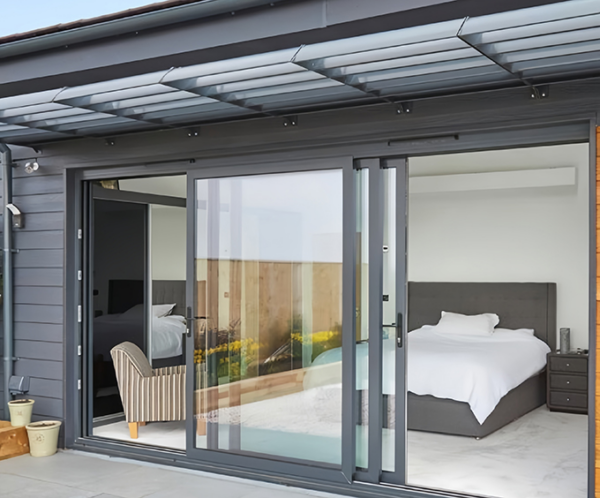
Thermal and acoustic performance versus common alternatives
Casement aluminum windows historically trailed timber and uPVC on thermal performance, but modern profiles use a thermal break and double- or triple-glazing to close the gap. Key metrics: U-value (lower is better) and visible light transmittance for daylighting. When compared to sliding systems, casements seal tighter thanks to compression weatherstripping and multi-point locks, improving both air tightness and acoustic reduction. The International Energy Agency estimates buildings account for roughly 40% of global energy use—upgrading glazing and reducing heat loss at windows can materially affect whole-building energy profiles.
Durability, maintenance and lifecycle cost
Aluminum profiles resist corrosion, retain finish, and require less maintenance than timber. Hardware—hinges, friction stays, and locking mechanisms—determines longevity; opt for stainless steel components and tested mechanical cycles. Expect lower repainting costs and predictable service intervals, but be mindful of sealant replacement on insulated glazing units over decades. The profile, sill detailing, and anodized or powder-coated finish work together to prevent water ingress and finish failure.
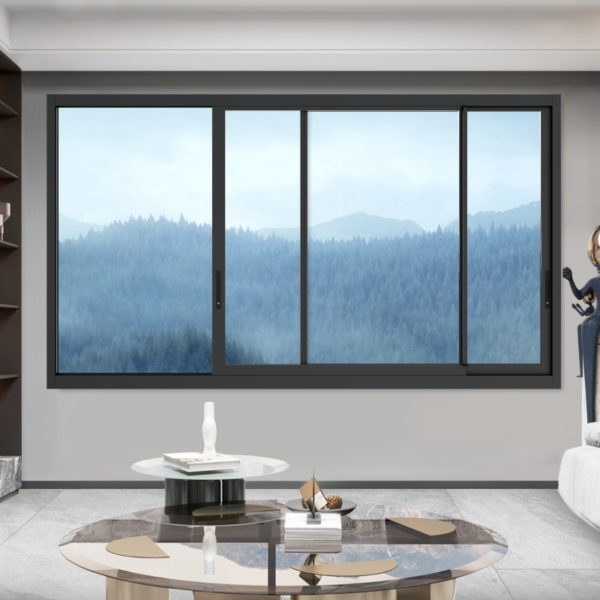
Design flexibility and architectural hardware
Casement systems allow wide opening angles and clean sightlines, supporting narrow profiles and large fixed-lite combinations. From a specification view, choose profiles that accommodate different glazing thicknesses and thermal breaks to match project U-value targets. Architectural hardware choices—concealed hinges, restrictors, or multi-point locking—affect both function and security. For projects aiming at refined aesthetics without sacrificing performance, aluminum presents the clearest path.
Common specification mistakes to avoid
Specifiers sometimes under-value three items: correct sill design for drainage, appropriate U-value targets given the climate, and realistic maintenance plans for moveable parts. A common error is selecting a slim profile without confirming the glazing rebate depth—this can limit glazing options and force compromises on thermal performance. Also, do not assume all anodized finishes deliver the same durability; check thickness and coating system against project exposure conditions—coastal buildings, for example, need higher corrosion resistance.
How casement aluminum windows fit into broader façade strategy
Use casements where active ventilation and egress are priorities; combine with fixed panels for solar control and shading where needed. When integrating with curtain wall or door systems, align thermal breaks and ensure gasket continuity at mullions and transoms. For a holistic approach, compare lifecycle cost, embodied carbon in the profile, and recyclability—aluminum scores well on recyclability but requires careful upstream sourcing for lower embodied energy. —This practical alignment reduces surprises during installation and operation.
Selection checklist and industry terms to know
Three concise evaluation metrics to guide procurement: U-value target aligned with local code, hardware cycle test rating (mechanical cycles), and finish specification (powder-coat thickness or anodizing class). Also verify glazing options and sightline profiles early to avoid redesign. Familiarize your team with terms such as thermal break, glazing bead, profile, and weatherstripping to streamline conversations with fabricators and installers.
Advisory: three golden rules for choosing the right system
1) Prioritize whole-system performance: test results for a frame-glazing combination matter more than frame-only numbers. 2) Confirm hardware endurance: specify cycle testing and corrosion class for hinges and locks. 3) Match design to exposure: coastal, urban, or interior courtyard conditions demand different finish and sealant strategies. These rules give measurable checkpoints during tendering and reduce costly mid-project changes. The right partner aligns technical detail with delivery—concrete value that brands such as aluminium window and doors can demonstrate through case references and test data.
Consider these practical lessons and measures when you specify windows—small decisions in profile, glazing, and hardware add up to predictable performance and lower operational cost. Zekin. –