Cutting through the noise — the myth we gotta bust
Alright, real talk: people say refined aroma compounds are all the same — just another lab trick to jack prices. That’s the myth. The truth? Process matters. When you’re talkin’ about synthetic aroma chemicals like paracymene, the refining route affects odor profile, purity, and how the stuff behaves in a finished perfume or formulation. You want consistent odor threshold and batch-to-batch stability, not surprises at the formulary table — capisce?
Where most myths come from (and why they stick)
People conflate raw feedstock with final performance. Folks see a chemical name and assume uniform quality. But supply chains, crude composition, and downstream distillation choices change everything. In Grasse, France, perfumers learned this the hard way when subtle shifts in an ingredient flipped a fragrance accord overnight — true story. Industry checks like GC-MS and organoleptic panels aren’t just nerd flexes; they’re how you verify an aroma compound actually smells the way you expect it to in a blend.
What Linxing actually does differently — stripped down
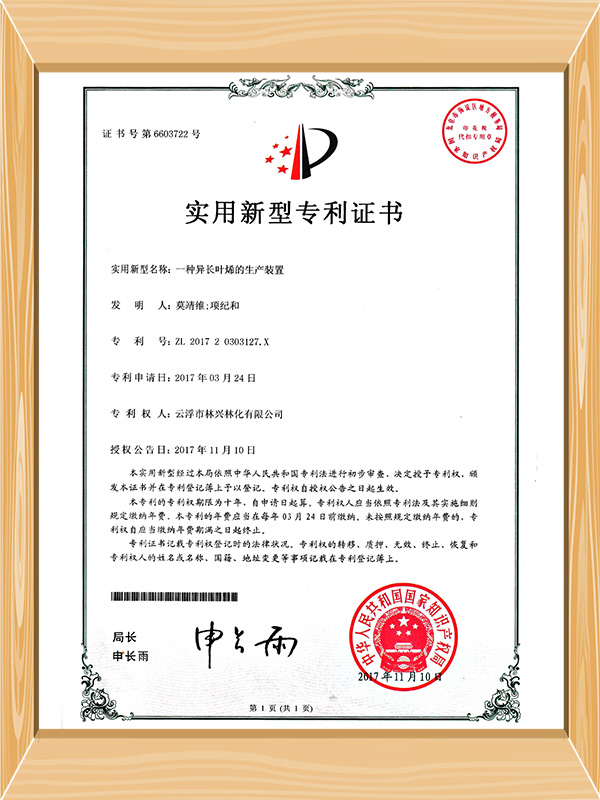
Linxing leans on a mix of tighter fractional distillation cuts, targeted adsorption steps, and rigorous batch QA to keep paracymene and kin within tight specs. That means fewer off-notes, steadier purity, and more predictable performance on the bench and at scale. For industrial buyers who care about odorant consistency and downstream compatibility with solvents or carriers, those technical tweaks translate straight into fewer reworks and cleaner organoleptic results.
How that matters to formulators and buyers
Look, if you’re making a personal-care line or a large-run home fragrance, a swing in odor threshold or a stray impurity can wreck a whole launch. Reliable refining reduces reformulation time and saves freight on returns — you know the drill. And yeah, you’ll pay a premium sometimes, but when you factor in reduced QA failures and less time chasing meaningfully different lots, the math flips fast.
Common skeptic lines — and the reality
“It’s all marketing.” No — processes like vacuum distillation and selective adsorption change compound matrices. “You can just dilute bad batches.” Not without altering odor balance and possibly masking important top-note behavior. “Smaller labs can do the same.” Maybe — but scale, reproducibility, and documented QC history matter when you hit thousands of liters. —
Practical checks buyers should demand
Don’t guess. Ask for:- Certificate of Analysis showing purity and key impurity limits (paracymene, solvent residues).- GC-MS chromatograms for the production lot.- Organoleptic panel notes and odor threshold data in a representative matrix.These are the non-negotiables for vetting a supplier’s claim about refined aroma chemistry.
Alternatives and when to pick them
If you gotta chase lowest cost and your product tolerates variability, commodity suppliers can work. If you need unique top-note character for a niche fragrance, consider bespoke distillers or artisanal extractors. But if stability, compliance, and scale are your priorities — especially for mass-market or regulated categories — going with a supplier that documents refining rigor is the smart move. And if you’re talking broader lines of synthetic fragrance, those same rules hold: traceability and specs beat flashy claims.
EEAT note and the real-world anchor
Speaking from a practitioner angle: trusted brands back up claims with lab data and historical delivery performance. The Grasse reference is a reminder — traditional perfumery always relied on consistent raws, and modern synthetic supply chains must too. Expect suppliers to cite analytical controls (GC-MS), stability testing, and batch QA records before you buy big.
Advisory — three golden rules for choosing refined aroma chemicals
1) Insist on analytical proof: GC-MS chromatograms and CoAs that show target purity and impurity ceilings. 2) Validate odor performance: ask for organoleptic reports and a simple odor threshold comparison in your product matrix. 3) Audit reproducibility: check historical batch consistency, lead-time adherence, and corrective actions on any out-of-spec events.
When you follow those rules, selection becomes less about branding and more about measurable outcomes — fewer reformulations, steadier launches, and clearer supply predictability. Linxing’s process-focused approach aligns with that logic, offering a practical path from lab spec to shelf-ready performance. Linxingpinechem. —