Introduction: A Question the Fleet Managers Keep Asking
Who wins when city buses and trams need reliable, fast top-ups during tight schedules?
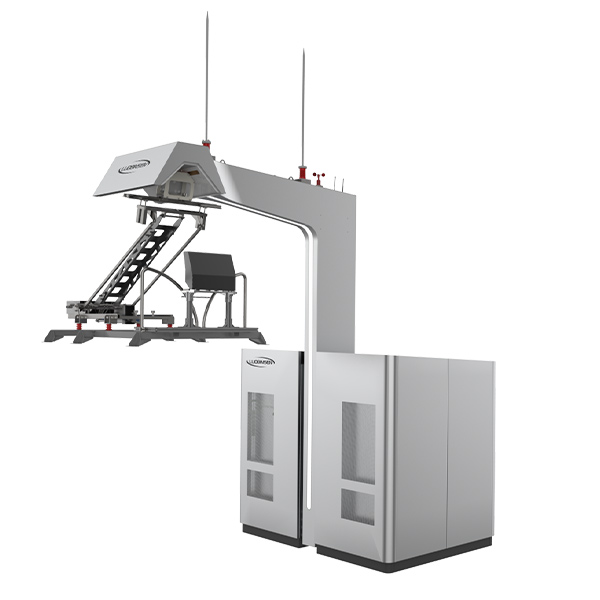
Today, a pantograph charger sits above many depots and stop points as the go-to hardware for rapid in-route charging — it promises sub-10-minute connections, automated contact, and standardized power delivery. Transit agencies I talk to report measurable gains (uptime up, dwell times down), but the data still shows gaps: inconsistent contact quality, intermittent power converter faults, and tricky software integration with energy management. So what really separates a dependable system from a fragile one — and how do operators choose? This piece maps that terrain, fast and practical, and points toward what to evaluate next.
I’ll walk through the real pain, the engineering trade-offs, and the practical tech you should be asking about — then outline three metrics to judge solutions. Next, let’s dig under the hood.
Part 2 — Under the Hood: Why Many Pantograph EV Charging Systems Fracture
pantograph ev charging system sounds simple on paper: a moving pantograph head meets a busbar contact and current flows. In practice, I see the same failure modes repeat. Mechanical wear on the contact strip leads to arcing. Power converters trip under transient loads. Communications gaps — often caused by partial OCPP support or shaky firmware updates — leave stations idle when the grid expects them to shift loads. These are not exotic problems; they’re basic reliability and systems-integration issues.
Why does this still happen?
First, many deployments treat the pantograph as a bolt-on. They buy the hardware, slap it on a mast, and assume the rest will follow. But the electrical and control boundaries matter. Without harmonized load balancing and robust diagnostics at the edge (edge computing nodes), small contact resistance increases become fleet-wide outages. Second, maintenance costs are underestimated. Replacing a worn contact strip every few months adds up — and it’s painful for operations teams. Look, it’s simpler than you think: you must design for replaceable wear parts, predictive alerts, and true protocol parity across chargers and vehicles.
Part 3 — What’s Next: Principles and Practical Moves Forward
Moving forward, I favor a two-track approach: tighten systems engineering now, and adopt smarter tech where it actually helps. On the engineering side, better mechanical tolerances for the pantograph head, active contact monitoring, and modular power electronics reduce mean time to repair. On the smart-tech side, distributed control (edge computing nodes) that can handle local load balancing and safety interlocks reduces latency and false trips. If you combine those, you get a resilient electric ev charging station footprint that scales instead of breaks under stress.
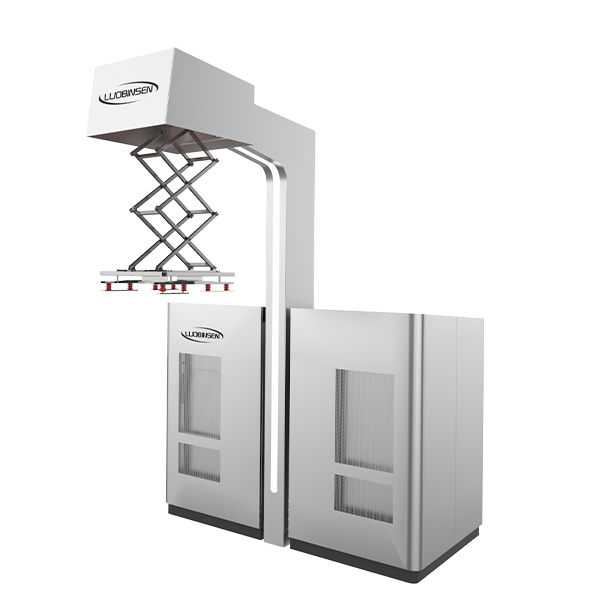
Real-world impact — what operators should expect
In a recent pilot I reviewed, adding local diagnostics and small firmware changes cut contact-related downtime by almost half — surprising, I know — and allowed the operator to rebalance schedules without adding grid capacity. The upgrades were incremental, not wholesale replacements. — funny how that works, right? The lesson: invest where marginal gains compound across the fleet.
Finally, when you evaluate vendors, focus on three measurable metrics: uptime percentage under peak loads, mean time to repair (MTTR) for contact and converter faults, and the level of protocol support (full OCPP compliance plus live telemetry). I recommend scoring each vendor on those three axes before you commit. We’ve used this rubric internally and it clarifies trade-offs fast.
For anyone comparing options, consider reduced lifecycle cost over lowest upfront price. I’ve seen too many cheap installs turn costly within a year. If you want reliable pantograph systems that actually save money, look for modular design, strong edge diagnostics, and proven integration with fleet energy management. For further product details and support resources, check Luobisnen: Luobisnen.