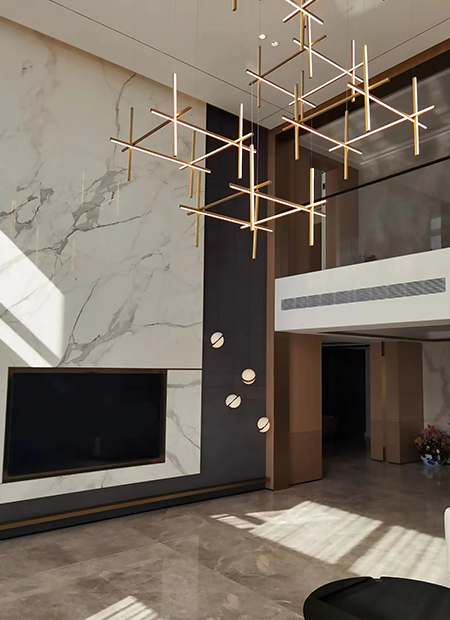
Why This Year’s Pendant Glow Tells a Bigger Story
I walked into a quiet hotel lobby just after dusk and saw how the pendant lights framed every face, every step, every detail. The decorative light supplier behind that scene set more than a mood—there was a plan, a load, a standard at work. Data tells us lighting can pull 10–20% of a building’s electricity, and in retail it nudges sales by shaping dwell time. Yet more than half of users say glare or poor color ruins the feel. So here’s the question: when pendants must look great and perform, why do so many projects still struggle with brightness, flicker, and upkeep (even when budgets are healthy)?
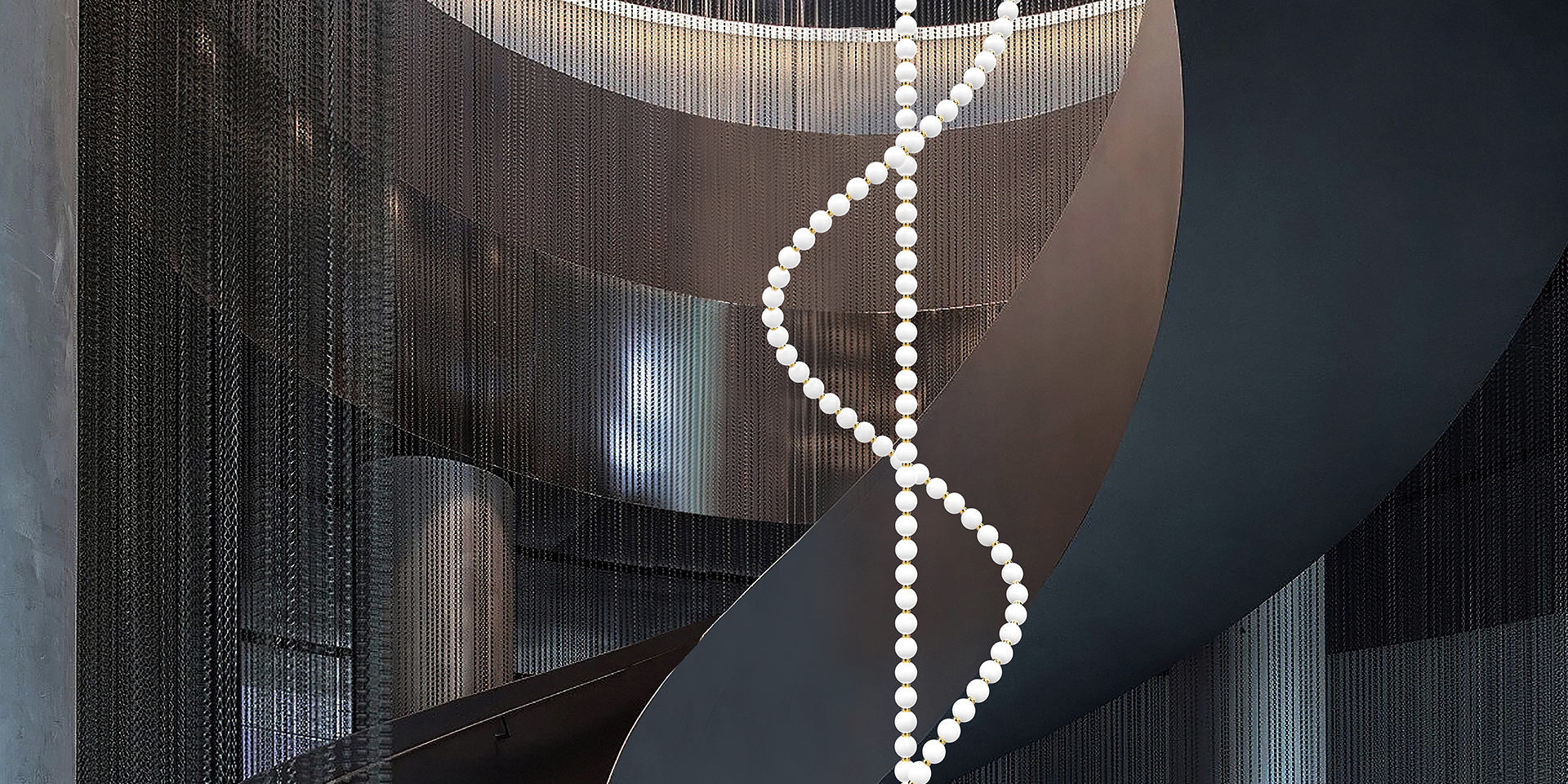
Maybe we aim for showpiece fixtures and forget the simple backbone—drivers, thermal management, and dimming protocol—until late. Or we assume pendant height and beam are easy, then fight hotspots and uneven color in the field. The gap between design intent and real-world use is small, but it matters. And it’s where better choices start. Let’s unpack what’s going wrong and what to compare next—before the next order ships.
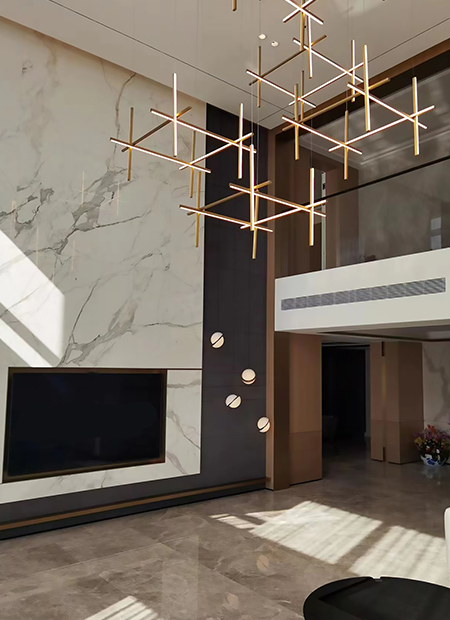
The Real Hang-Ups Behind Pendant Choices
Are we choosing style over performance?
When teams pick decorative pendant lighting , they often chase a vibe first. That’s fair. Still, hidden issues creep in fast. Look, it’s simpler than you think: if the driver’s power factor is weak, you get wasted energy and heat; if CRI sits low, merchandise and skin tones look flat; if glare index (UGR) is high, eyes tire. Traditional specs gloss over these by focusing on finish and diameter. But pendants hang in people’s sight lines. Without tight optics and steady drivers, flicker sneaks in—funny how that works, right? Add poor thermal management and lumen maintenance (L70) drops early, so the space feels dim by year two instead of year five.
Another pain point hides in control. Many legacy pendants resist smooth 0–10V or DALI dimming, so scenes jump instead of glide. That breaks the guest journey in hotels and cafés. Installers then tilt or re-lamp to “fix” it, which masks the root cause. Supply chains add friction too: mixed batches mean mixed color temperature, and the ceiling reads patchy. The cure is boring but powerful: match drivers to the dimming protocol, verify binning for tight CCT, and plan beam angles to the task plane. Style is the headline; stable electronics is the story.
From Pretty to Predictive: How the Next Wave Changes Buying
What’s Next
The next round favors pendants that think ahead. Not buzzwords—principles. Smart drivers with thermal feedback loops can protect LEDs under high ambient heat. Constant-lumen algorithms hold brightness steady over years, not months. Wireless mesh controls let zones shift with the furniture, while daylight sensors trim power when sunlight floods in. Compare that to older setups: fixed output, manual tweaks, and inconsistent color over time. A seasoned China led lights manufacturer now pairs high-efficiency optics with low ripple current drivers to fight flicker at low dim levels. Add better surge protection, and maintenance calls drop. The point is simple: a pendant is a system—can it respond, report, and stay stable under pressure?
For projects planning beyond this quarter, weigh two paths side by side. Path A: classic fixtures with separate controls, looser binning, and trial‑and‑error aiming. Path B: tighter spectral tuning, pre‑commissioned scenes, and verified lumen output. The second path costs a bit more upfront, but it saves time in commissioning and reduces returns— and yes, that matters. We’ve learned that good looks without control fall short; that mismatched drivers cause most field headaches; and that consistent color sells the experience. To choose well, use three checks: 1) Performance metrics—ask for CRI, R9, UGR targets, dimming curves, and driver power factor. 2) Reliability—thermal design, driver life, and documented L70 at operating temperature, not lab ideal. 3) Lifecycle plan—spare parts, control compatibility, and clear warranty terms. Do that, and your pendants glow the way they did on day one. Powered by practice, not hype. kinglong