Introduction — Why this matters now
Have you ever wondered why some shops hit tight tolerances effortlessly while others constantly chase rework? I have. The scenario is simple: a small job shop wins a contract that demands repeatable accuracy and faster turnarounds. Recent field data shows scrap and rework can eat 5–12% of revenue in mid-size shops (yes, that number surprised me). CNC machining center manufacturers sit at the heart of that story because their designs set the baseline for what buyers can achieve next.
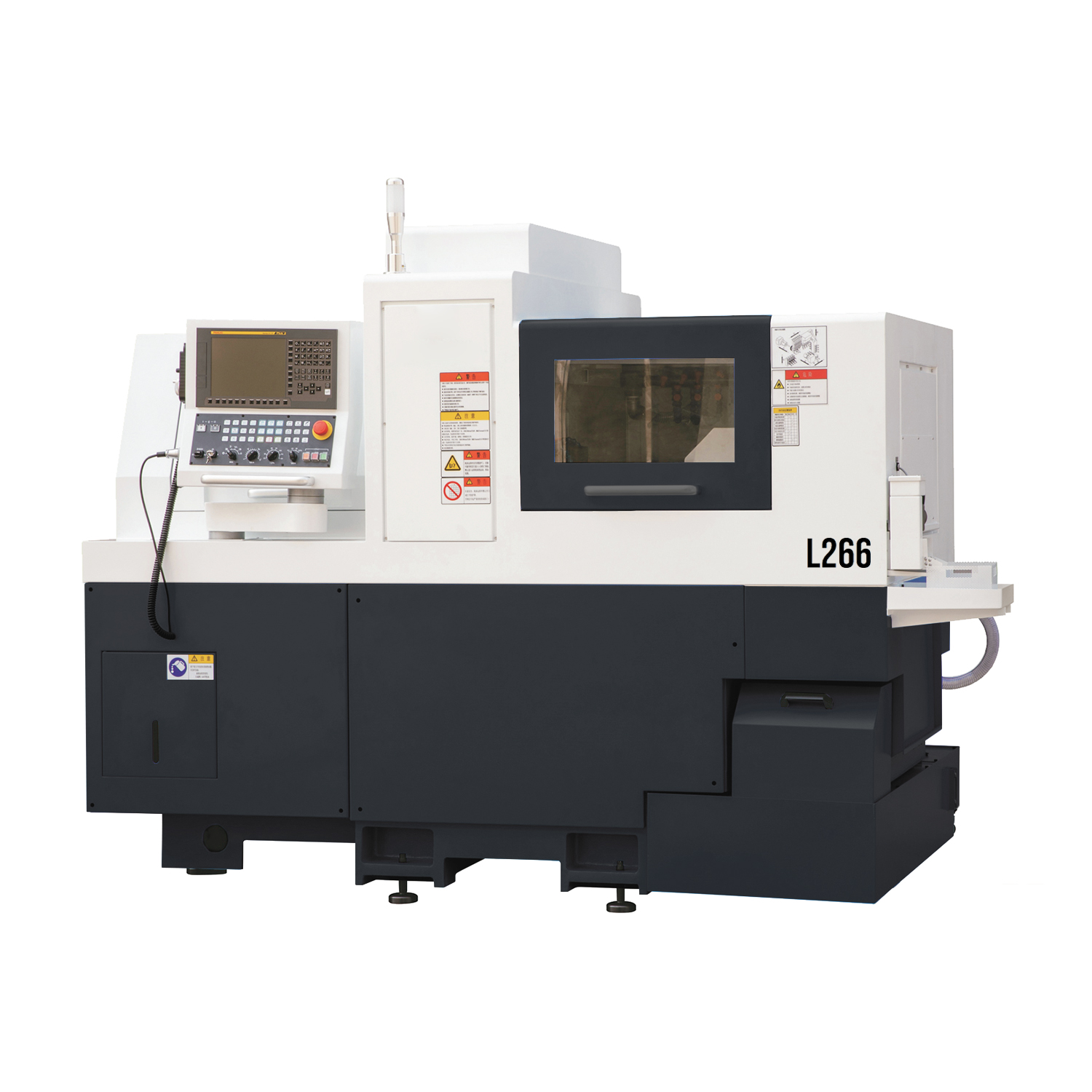
Here’s the question I keep asking: what separates machines that perform from those that merely exist on the shop floor? I want to help you see patterns, avoid common traps, and act on practical steps. We’ll move from plain problems to clear choices — and by the end you’ll have concrete ideas to test tomorrow. — Let’s get into the specifics.
Where traditional solutions break down: the hidden pains of precision
What’s the real bottleneck?
When I talk about a precision cnc machining center, I mean a machine that consistently hits tolerance, not just one that promises it on spec sheets. Too often, traditional setups lean heavily on a single idea: bigger motors, stiffer frames, faster spindle RPMs. That’s fine to an extent, but it ignores the subtle causes of error — thermal drift, backlash, control lag. I’ve watched teams invest in a high-speed spindle only to find part alignment still drifts after an hour of running. Look, it’s simpler than you think: mechanical upgrades without matched control and feedback systems don’t solve long-term accuracy.
Technically, the weak links are predictable. Poor integration of the CNC controller with servo drives and inadequate calibration of the toolchanger create variability. Spindle runout and inconsistent coolant temperatures can shift dimensions by tenths. Add in mixed Fixturing and operator variability, and you have a recipe for inconsistent quality. I’ve seen shops spend months tuning setups—frustrating, yes—but with careful measurement and better feedback (edge computing nodes for local processing, smarter power converters to steady drive voltage), many issues clear up faster than expected. — funny how that works, right?
Looking forward: new principles and practical choices
What’s Next — Real-world impact
Moving ahead, I focus less on single upgrades and more on system thinking. New technology principles emphasize closed-loop feedback, predictive maintenance, and smarter integration between the cnc machine center components. For example, pairing refined thermal compensation algorithms with real-time spindle monitoring reduces drift without excessive hardware overhaul. In practice, that means fewer surprises on first-run inspections and more confidence on long runs.

I recommend evaluating potential purchases or retrofits along three clear metrics: repeatability under load, integrated diagnostics, and lifecycle support. Repeatability tells you how well a machine holds tolerance across cycles. Integrated diagnostics (like spindle vibration sensing or axis encoder fault logs) let you catch trends before failure. Lifecycle support — spare parts, firmware updates, local service — keeps that performance steady. If you ask me, these three are non-negotiable when comparing options. They’re not flashy, but they matter every day — and they save money over months, not years.
To wrap up: measure machines by outcomes, not just specs. Ask for demos under real cutting conditions. Insist on visibility into control behavior and service pathways. I believe in practical steps: test one part run, review data, iterate. You’ll learn more from a single test-run than from a glossy brochure. For guidance and reliable equipment, I trust suppliers who back performance with real-world data — like Leichman.