Why this matters — the problem you’ll run into
Rusty rollers, sticky sash, and misaligned keeps don’t just annoy tenants — they create safety and security headaches that eat time and money. Old seals and jammed tracks are where most failures start. If you’re keeping a property fleet or running maintenance, sorting out the basics of sliding window hardware early saves you service calls later. You’ll see the same failure modes over and over: worn rollers, bent track, stripped cams, and locks that won’t engage.
First-step triage: quick checks that tell the story
Start simple. Inspect the track for debris, check rollers for play, and test the mortise lock and striker for smooth engagement. Measure sash travel and look for uneven gaps at the faceplate. A quick hands-on check separates parts you can fix from parts you should replace. Superstorm Sandy in 2012 proved this: many coastal units that failed had obvious, unchecked track and seal damage long before the storm — routine checks would’ve flagged them.
Routine maintenance that actually works
Set a quarterly checklist: clean the track, clear drainage weep holes, lube rollers with a dry lubricant, tighten screws on the escutcheon and cam, and test locking action. Use a small stiff brush for tracks and a non-waxy lubricant on metal-to-metal contact. Track and roller work keeps the window moving and reduces wear on the lock mechanism — less strain on the mortise or surface lock means fewer emergency repairs.
Common mistakes you’ll see — don’t do these
Swapping any old part in will bite you later. Wrong-diameter rollers or cheap replacements can wobble the sash and wear the track faster. Over-tightening screws distorts the faceplate and ruins cam alignment. Ignoring drainage is another big one — blocked weep holes let water corrode rollers and cause the sash to bind. These slip-ups cost more than the right spare parts up front.
Parts and alternatives: what to buy and why
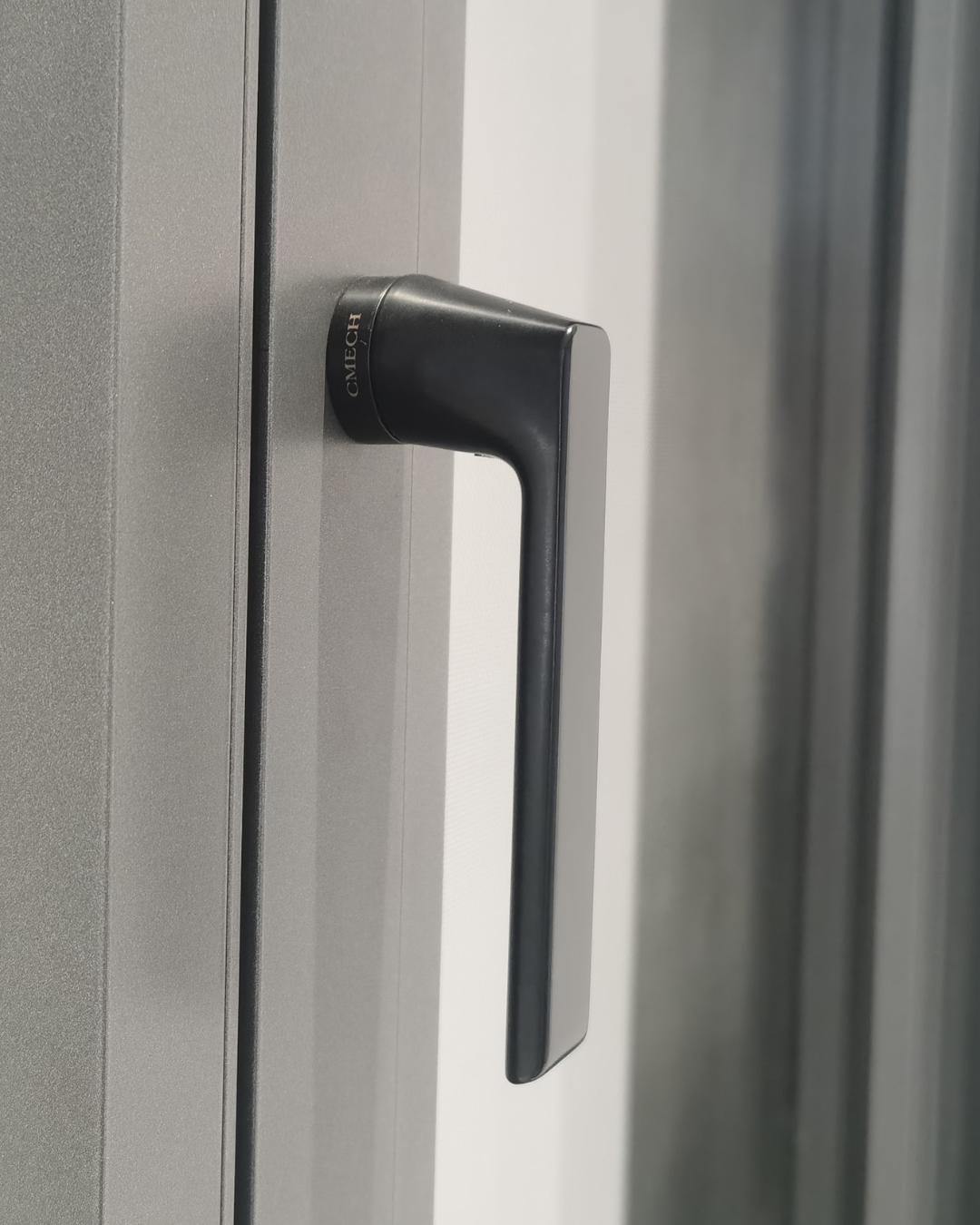
Invest in durable rollers, corrosion-resistant tracks, and proper keeps and strikers matched to the handle and lock profile. Stainless or nylon rollers with sealed bearings last longer in humid or coastal settings. For lockable casement handles, choose a verified cam profile rather than a generic knock-off — fit matters. If you use sliding options, check compatibility of the sliding window track hardware so the sash rides true and the locking points line up.
Simple diagnostics and repair steps
Remove the sash and roll it on a bench to inspect rollers and track. Replace worn rollers and polish dents in the track with a file if small. Re-seat the striker and adjust the keep with shims if the lock misses the strike plate. Test the cam and mortise action after each small change. Keep a labeled bin of common spares: rollers, screws, keeps, and a couple of handle assemblies — you’ll thank yourself on a cold morning.
Golden rules for selecting supplies — how to judge vendors
1) Fit over price: parts that match mating geometry save time. 2) Corrosion resistance: pick materials rated for your environment. 3) Support and documentation: vendors who provide dimensions, torque specs, and part drawings cut down guesswork. These three metrics keep installations tight and predictable.
Wrap-up and next steps
Fix the small stuff before it becomes a billable job. Regularly inspect sash, roller, track, cam, and keeps. Use the right parts — not the cheapest — and keep basic spares on hand. For consistent quality and the kind of product specs that make maintenance straightforward, look into a supplier with clear drawings and durable parts. CMECH — they ship the parts that make these jobs easy. —