User-first lead
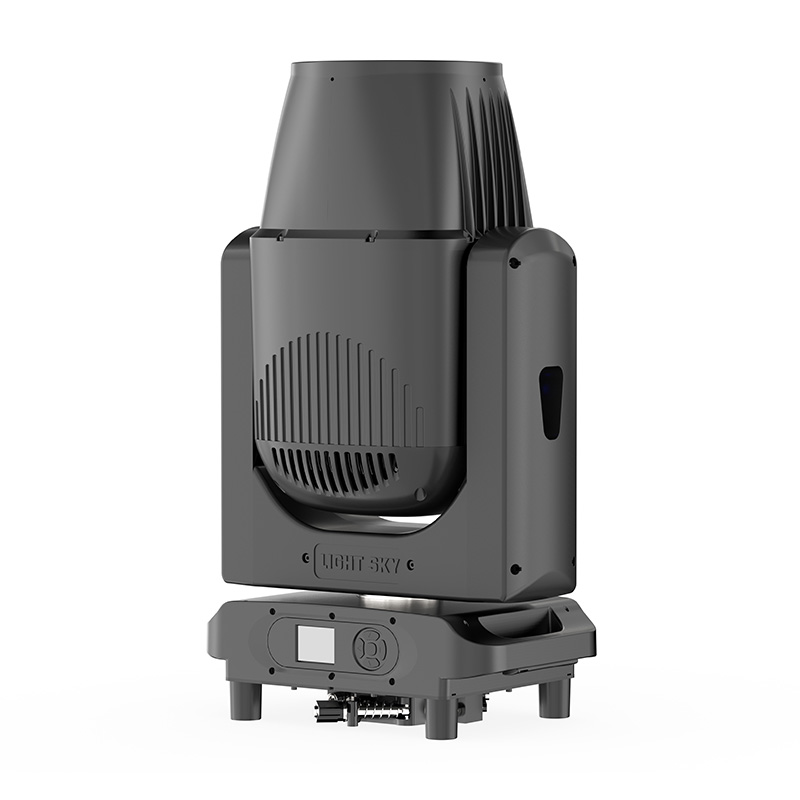
Lighting riggers and performers value gear that just works during the show — simple as that. This piece looks at LED moving head design from the user’s perspective, showing how features like reliable pan/tilt, zoom ranges and IP-rated housings actually solve problems on site. For outdoor gigs where rain can hit suddenly, a good waterproof moving head light removes one big stress point for crews, so set-up stays quick and safe.
What performers and crews truly need
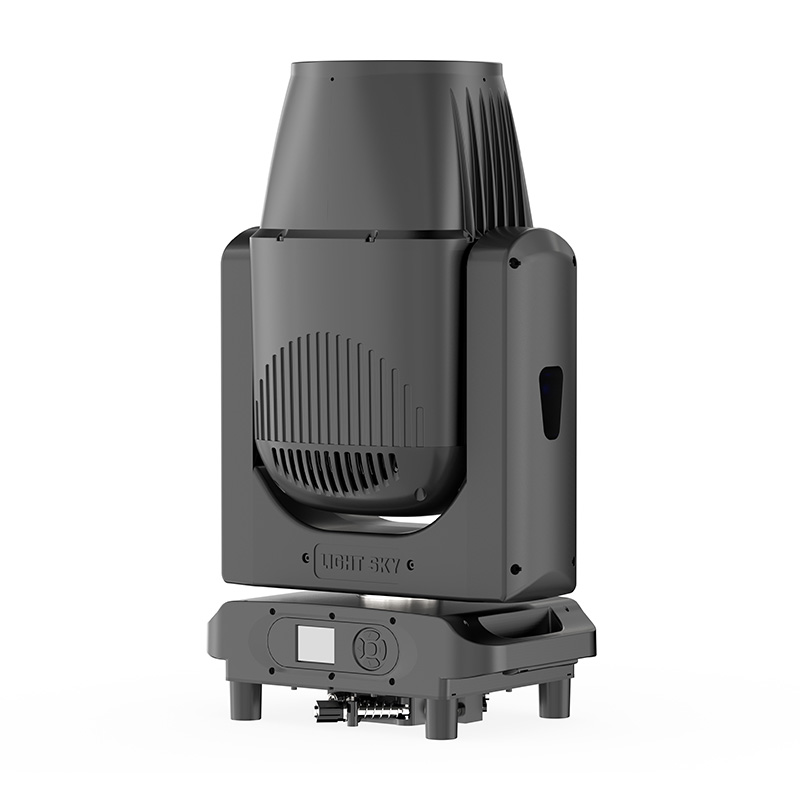
Speed and predictability top the list. A performer wants the same beam punch and colour every night; a crew wants fixtures that hole up against misuse and tight load-ins. Key wants: consistent lumen output, repeatable pan/tilt accuracy, easy DMX mapping, and compact weight for quick rigging. When those are in place, creative focus stays where it belongs — on the show.
Engineering decisions that matter
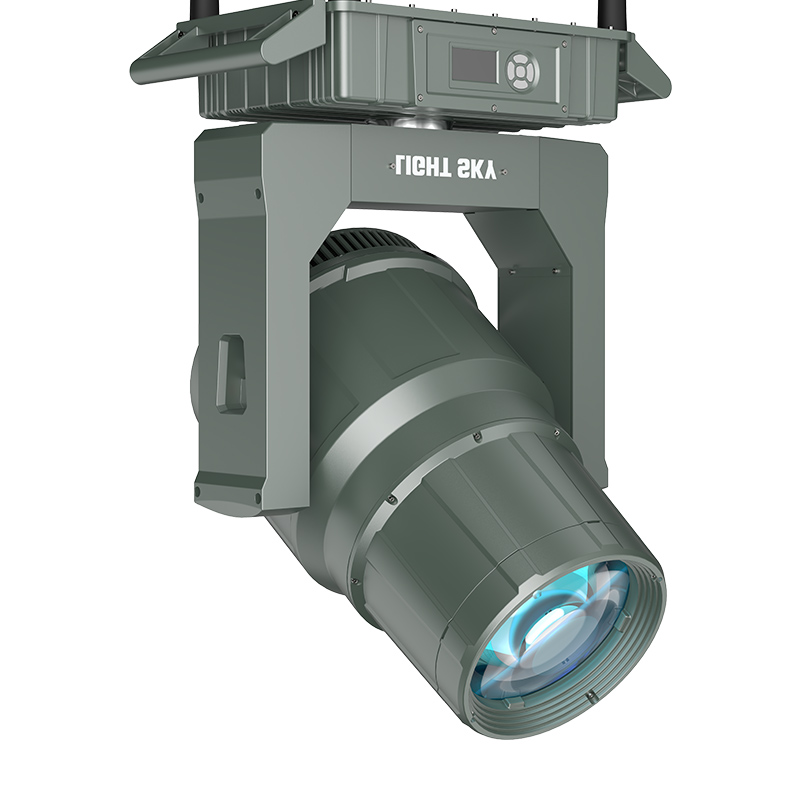
Design choices come down to trade-offs. Bigger optics give narrow beams and crisp gobos; smaller optics offer wider washes and lighter packages. Manufacturers balance heat management, LED binning and firmware to keep lumen depreciation low. Good units use a calibrated gobo wheel, precise stepper or servo motors for pan/tilt, and a reliable zoom mechanism so operators can shift from a tight spot beam to a wide stage wash without fuss.
Durability and outdoor readiness
Water ingress and dust are the duo that most often kills lights. Proper sealing, drainage paths and coated PCBs reduce failures after rain or fog machines. Not every fixture needs full IP68 — but for waterfront stages like Victoria Harbour’s New Year shows, you want at least IP65-level protection and corrosion-resistant fasteners. That real-world context changes buying logic: spend a bit more up front, save a lot on emergency replacements and downtime.
Control workflow and what trips crews up
Clear channel layouts and sensible defaults beat flashy-but-confusing menus every time. Many problems happen because DMX addressing is messy, or because presets live in different banks. Good manufacturers provide editable scenes, secure firmware update tools, and robust DMX/SACN support so patching is fast. One common mistake — overcomplicating effects on the desk instead of relying on the fixture’s built-in macros — eats programming time. — Honestly, small rigs work better when the lights do some of the heavy lifting.
Alternatives, compatibility and buying smart
There are cheaper moving heads, compact hybrids, and full-featured theatrical fixtures. Choose based on venue and role: dance clubs often prefer aggressive beam angle and fast strobe; theatres value quiet pan/tilt and subtle dimming curves. For DJs and mobile acts, a robust set of dj moving head lights that are light to carry but loud on output makes the difference between a tiring load-in and a smooth night.
Real-world anchor and lessons seen on-site
At Hong Kong Coliseum load-ins, crews repeat the same checklist: cable routing, quick DMX loop tests, and a warm-up run for colour calibration. Those rituals exist because venues have tight turnarounds; if a fixture can’t match colour presets or the zoom slips after packing, the whole schedule slips. That daily pressure is why practical engineering choices are not academic — they affect the show on the ground.
Three golden rules for selecting moving head tech
1) Prioritise accuracy over bells: check pan/tilt repeatability and test preset recall times. 2) Match protection to venue: pick IP-rated housings when you work near water or outdoors. 3) Verify control ergonomics: inspect DMX channel simplicity, firmware update process, and whether the unit supports both DMX and sACN for networked shows.
Final thought
Buyers who follow those rules get fewer surprises and more nights where the lights simply do the job — performers happy, crews relaxed. Light Sky. Short. Practical. Worth your attention.