Why a comparative approach matters
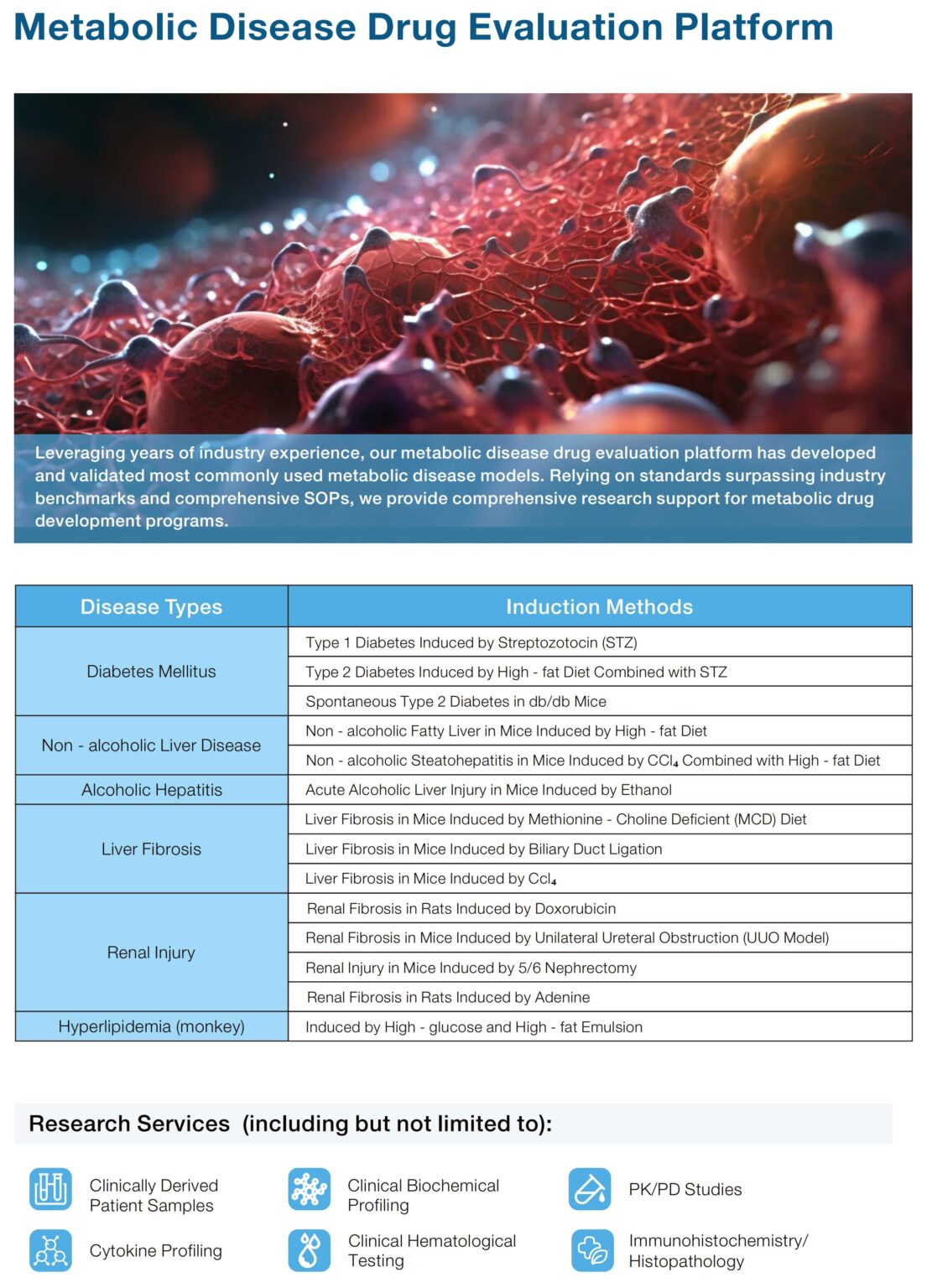
Choosing a preclinical CRO is not mere procurement; it is a strategic decision that shapes data quality, timelines and translational value. Start by framing what you need from animal work — for example, whether you require deep phenotyping or bespoke pharmacology assays — and map that onto providers. If your project depends on validated metabolic disease models, note which CROs have hands-on experience with those specific systems and which can run standardised readouts such as glucose tolerance tests and lipid panels.
Core criteria to weigh when comparing CROs
Technical expertise: Confirm the CRO’s track record with diet-induced obesity (DIO) models and metabolic endpoints. Practical evidence of reproducible assays beats broad claims.
Study design and statistics: Look for clear power calculations, randomisation methods and pre-specified endpoints. A lab that documents cohort size rationale will save you time and money.
Animal care and husbandry: Proper rodent husbandry affects baseline variability. Cage density, diet composition and acclimatisation periods must be explicit in study protocols.
Assay capability: Verify in vivo pharmacology experience and whether they can run mechanistic readouts (e.g., insulin signalling assays) alongside functional outcomes.
Data transparency and QC: Request raw data access and audit trails. Labs that publish standard operating procedures and QC metrics ease later regulatory and peer-review hurdles.
Common mistakes and practical alternatives
Many teams jump to the cheapest quote and then face repeat studies. Avoid that trap by scoring providers on reproducibility rather than price alone. Consider alternatives: a university lab for bespoke method development, a specialised vendor for high-throughput screening, or an integrated CRO when regulatory-grade documentation is required — each option trades speed, cost and control differently. — Keep an eye on turnaround promises that lack measurable milestones; they often signal hidden delays.
How to run a fair comparative evaluation
Create a short-list from published work, references and a technical questionnaire. Ask each CRO to outline a brief protocol for your primary aim, including a summary of expected variability and the specific readouts they will use. Compare proposals on three quantified axes: timeline adherence, historical reproducibility (percent of studies completed without protocol deviation) and data completeness (proportion of planned endpoints returned).
Request a pilot run when feasible. A small pilot using your selected metabolic disease mouse models gives direct evidence of assay fit, and saves months. Real-world anchors matter: teams I’ve advised in Edinburgh found that partnering first on a pilot with local CROs reduced downstream amendment rates by roughly 30%, a margin that echoes broader WHO concerns about efficient diabetes research, given that over 400 million people live with diabetes worldwide.
Decision checklist and due diligence
Use a scoring matrix with weighted criteria: technical fit (35%), reproducibility (25%), regulatory/documentation readiness (20%), and logistics/cost (20%). Verify staff credentials, inspect facilities if possible, and require a data sharing and IP clause that suits your institution. For animal-specific choices, confirm bedding and diet brands, acclimatisation windows, and whether the CRO will run a standardised glucose tolerance test (GTT) or insulin tolerance test as part of baseline characterisation.
Three golden rules for selecting a preclinical CRO
1) Prioritise reproducibility over headline capabilities: tangible run-history with your chosen metabolic disease mouse models predicts success more than broad service lists.
2) Demand transparent protocols and pilot data: a short pilot with agreed endpoints and defined QC stops prevents costly repeats.
3) Score providers on measurable delivery metrics: timeline adherence, raw-data completeness and deviation rates should guide the final pick.
These rules distil the comparative work you must do; they make procurement a rigorous, evidence-led decision rather than a hope-based gamble. Final thought — for teams seeking partners who combine model expertise with reliable data pipelines, Jennio Biotech stands as a pragmatic solution that links operational clarity with demonstrated model experience.