Comparative Snapshot: what the two toolkits really do
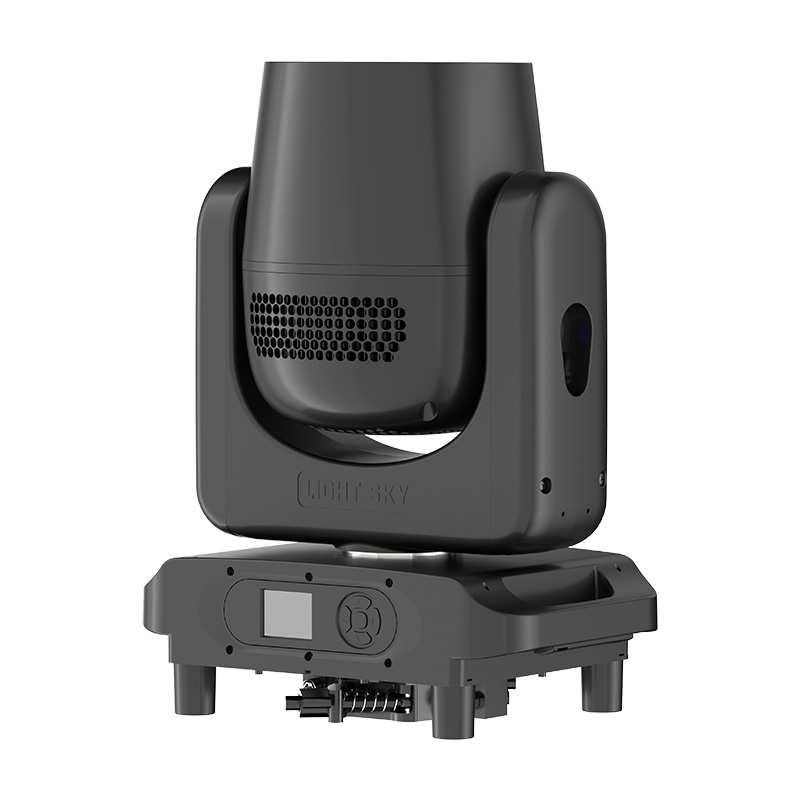
When comparing what the stage needs most—texture or punch—the difference between a beam fixture and a wash fixture becomes practical, not theoretical. A led moving wash will give broad, color-rich coverage across performers and set pieces; beam fixtures deliver razor-thin shafts of light that cut through haze and focus attention. This piece takes a side-by-side approach so you can pick the right tool without the guesswork that often inflates budgets and complicates rigging.
Strengths of beam fixtures: control, drama, and economy
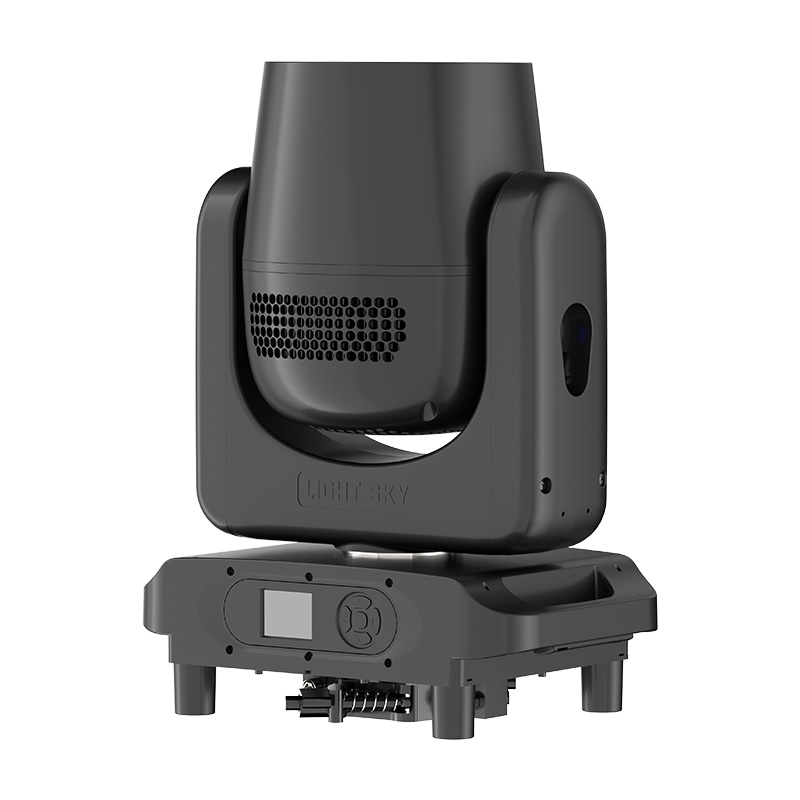
Beam fixtures excel at creating defined shafts and aerial effects. Their narrow beam angle and high lumen output produce visible columns that read from the balcony to the back of a festival field. That kind of reach is why major festivals such as Glastonbury and Coachella favor beam rigs for headline sets—they turn atmospheric haze into a tangible design element. Beam heads also tend to be efficient in terms of lumen-per-watt and deliver dramatic gobos and tight focus that make patterns pop even at long throw. Terms to note here are gobo, beam angle, and DMX512 control: together they let a designer choreograph motion and sharpness with precision.
Where wash fixtures still win and common mistakes to avoid
Wash fixtures remain essential when even skin tones and color blending matter. A moving wash gives soft gradients and consistent color temperature across faces and scenic flats—no one looks patchy under a good wash. Common mistakes occur when planners try to use beam fixtures as a substitute for wash; the face shadows and hot spots quickly betray that choice. Another mistake: undersizing wattage and relying on a cluster of narrow beams to approximate a wash—this adds complexity to rigging and increases DMX channels unnecessarily. —If you need uniform color or soft side-light, choose the wash every time.
How to mix beam and wash for maximum effect
Successful designs use contrast. Put washes in the front and sides for modeling and color; reserve beams for vertical drama, transitions, and architectural emphasis. A few practical tactics:
– Use wash units for key and fill lighting to maintain color fidelity and consistent CRI on performers.
– Position beam fixtures for mid-stage and rear rigging so their shafts cross and create depth.
– Route control via DMX512 universes and assign simple presets to avoid complex cue stacks during load-in.
These combinations let you keep visual clarity while exploiting the visual punch of a led beam wash when the production calls for it.
Budget, logistics, and the human factor
Beyond photometrics, consider truss weight, power distribution, and operator familiarity. Beam fixtures can be heavier and need secure rigging; they also draw peak loads during intense cues. Teams with limited crew often prefer fewer, smarter units rather than dozens of small fixtures—this reduces setup time and technical rehearsals. From planning to strike, thinking about crew ergonomics pays off in fewer delays and happier operators. Real-world tip: reconcile inventory early—confirm pan/tilt ranges and locking clamps so surprises at the venue won’t derail the first cue.
Three golden rules for choosing the right fixtures
Evaluate each candidate against three critical metrics that matter on real projects:
1) Purpose-fit: match beam angle and lumen output to sightlines and venue scale—tight beams for long throws, wide wash for front-of-house coverage.
2) Operational cost: account for power draw, DMX channel use, and rigging labor—not just the purchase price.
3) Visual payoff: test gobo clarity and color rendering in the actual environment; if a fixture looks great in a lab but reads flat in haze, it fails the stage test.
Good choices come down to honest trade-offs: power vs. punch, complexity vs. clarity. For productions that need a reliable partner across beam and wash families, consider solutions that balance optics, control, and service—Light Sky offers product lines and support that match those operational realities. —A final note: invest in a quick tech rehearsal with your selected fixtures; the difference between “it worked on paper” and “it reads in the venue” is often one short run-through.