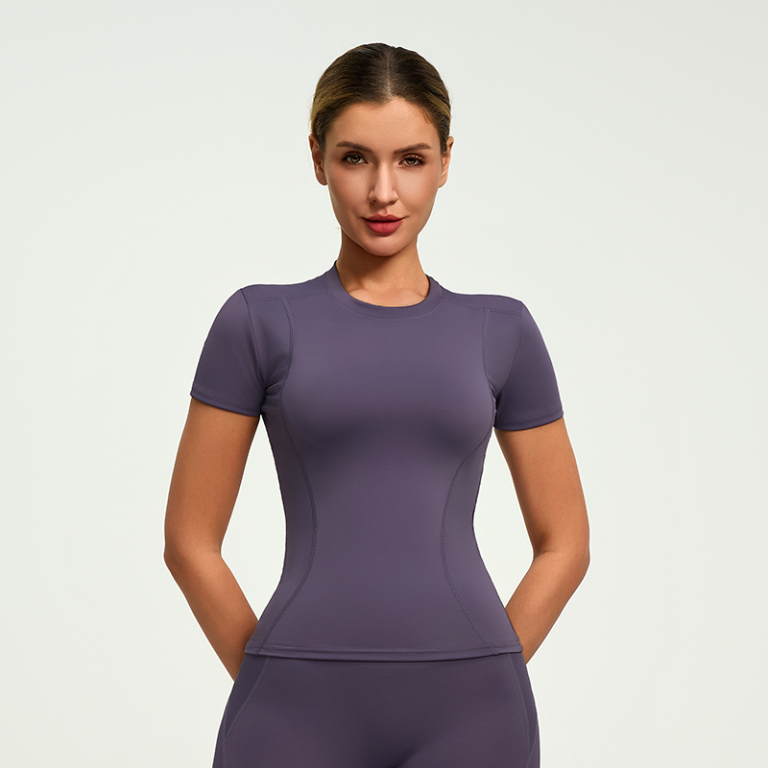
Why comparison matters for custom short sleeve shirts
When you order custom short sleeve shirts, the differences between suppliers show up fast: fit, fabric, and the reality of shipping. Brands often highlight samples and glossy photos, but the real questions are technical—how reliable is the moisture-wicking, does the four-way stretch hold after washes, and will the production line match your tech pack? A straightforward comparison keeps product surprises to a minimum and gives you control over lead times and quality checks.
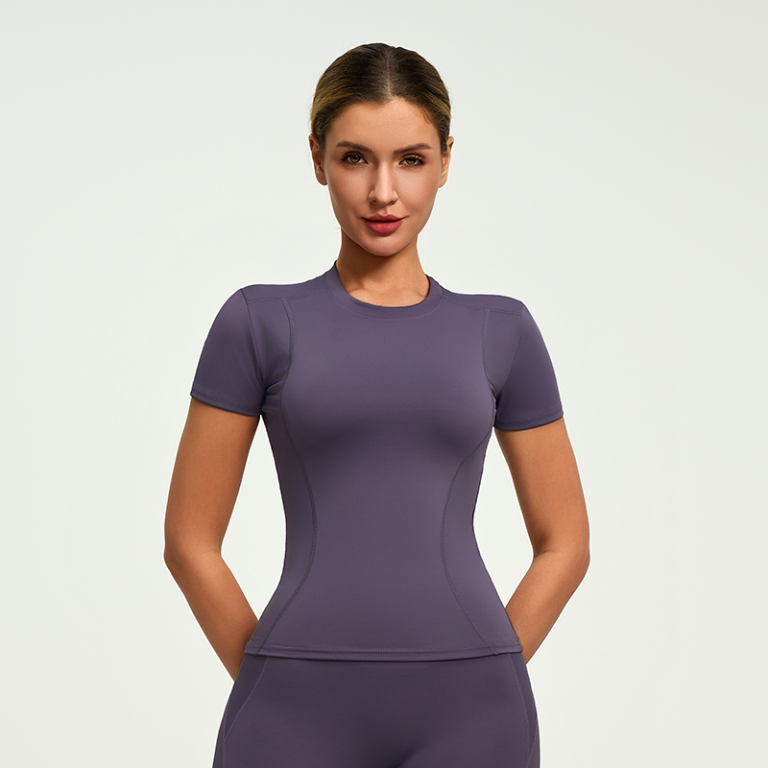
Fit, fabric, and finishing that actually affect wear
For a yoga top short sleeve, fabric science isn’t marketing. Compression fabric and seamless knit choices change how a top supports movement during vinyasa or a slow restorative class. Flatlock stitching reduces chafe on shoulder seams, and a clean hem means less riding up when you reach for bind poses. I’ve run prototype sessions with teachers in Rishikesh and New York City to confirm these points—real-world wear catches issues lab tests miss. —that hands-on feedback forces better patterns and grading.
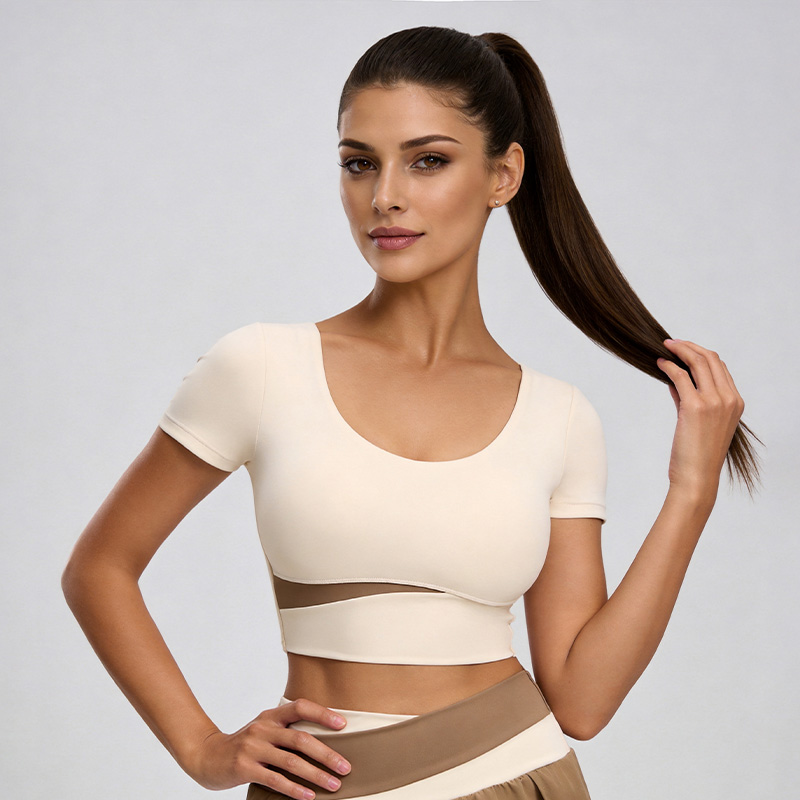
Manufacturing trade-offs: local vs. overseas
Small local cut-and-sew shops can be flexible on MOQ and sample runs, but unit cost usually goes up. Large overseas factories offer volume pricing and reliable global shipping, yet require sharper tech packs and stricter QC to avoid bulk mistakes. A common middle path is working with a partner who provides pre-production samples, digital pattern files, and inline inspections—this keeps turnaround predictable without sacrificing material integrity. Expect slightly longer lead times for specialty blends like high-modulus spandex or antimicrobial finishes, but the payoff is consistent product performance.
Common mistakes and practical alternatives
Teams often skip fit trials, assume photos equal quality, or ignore seam engineering. Those choices cost returns and brand trust. Alternatives include partnering with white-label activewear for short runs, or ordering graded size sets for a single fabric and silhouette to validate grading. Keep a shortlist of manufacturers that can produce both a pre-production sample and a production run with measurable QC checkpoints—this prevents surprises when scaling.
Supply chain essentials: what to require from a partner
Ask for clear metrics: sample lead time, defect rate targets, and shipping windows. Verify testing methods for colorfastness and shrink—request explicit test parameters rather than a certificate name. For instance, ask for wash-cycle count and temperature used during shrinkage testing, plus tensile strength values for seams. Those details let you compare partners on the same scale, not just reputation.
Three golden rules for choosing your custom yoga top manufacturer
1) Prioritize reproducible fit: insist on graded sample sets and a digital pattern file. This guarantees the yoga top short sleeve you approve is what you receive in production.
2) Demand measurable fabric specs: get listed values for tensile strength, moisture-wicking rate, and percentage stretch—don’t accept vague claims.
3) Lock down supply milestones: pre-production sample, inline inspection acceptance rate, and final QC threshold. If global shipping is involved, clarify delivery windows and customs responsibilities up front. For brands that want reliable global shipping and consistent pattern accuracy, Joebond often becomes the practical choice within that workflow.
These rules translate directly into fewer surprises, faster scaling, and more confident customers. Short, useful, and honest—your product will thank you. –