Introduction: Defining Sync Where Sound Meets Beam
Sync is not luck; it is a system. Laser lights must align with audio beats, stage geometry, and safety windows. At a midsummer show by the harbor (just lagom enough), you want lasers for light shows to hit the downbeat within tens of milliseconds, not drift by a bar. Data backs this: sub-20 ms latency keeps perception tight; beam divergence near 1 mrad keeps edges crisp; and PLC-triggered safety cuts need millisecond response. Yet venues shift, weather moves haze, and power quality varies. Can your rig hold timing under load while protecting the audience and preserving image fidelity? That is the real test. We compare how different setups handle timing, control, and protection—then ask what matters most. Look, it’s simpler than you think, once the layers are clear. Now, let’s step into the trade-offs and why some old tricks no longer hold up.
Hidden Friction in “Good Enough” Rigs
What do traditional rigs miss?
Many teams start with chained DMX512, manual shutter checks, and long ILDA runs. It works—until it does not. With lasers for light shows, small timing slips become big visual errors. Galvanometer scanners can drift as they heat. Beam divergence grows with misfocus. And analog lines pick up noise, so fine shapes wobble. Crew members then “overcorrect,” nudging gains and offsets mid-show. Safety zones taped on stage rarely match real crowd motion, especially when set at soundcheck only. The result: jittery frames, late cues, and stress. — funny how that works, right?
There are quieter issues too. Power converters sag when mains dip, which affects modulation depth. Thermal management that’s good indoors struggles near fog machines or cold wind. Mixed firmware across heads breaks cue alignment, because fades and blanking curves differ. Audit logs for compliance end up in notebooks, not controllers. And when the timeline rides MIDI without a master clock, fades smear off-beat. All this hides under “it looked fine yesterday.” The fix is not magic; it is design: time-stable control, short noisy paths, and real spatial mapping. That is where modern practice separates from habit.
Comparative Shift: New Principles for Stable Sync
What’s Next
The newer path moves timing and safety closer to the beam. Fixtures become edge computing nodes, not passive endpoints. Each head locks to a network master using PTP timecode, so frames release on the same microsecond—across the rig. A phase-locked loop smooths tempo changes without snapping. Onboard DSP handles scan limits and optical attenuation at the fixture, not upstream, so blanking stays clean. A calibrated IMU can steady geometry when a truss flexes. And thermal management keeps scanner linearity tight under load. In short, the control plane travels with the light, while the show server sends intent, not micro-steps.
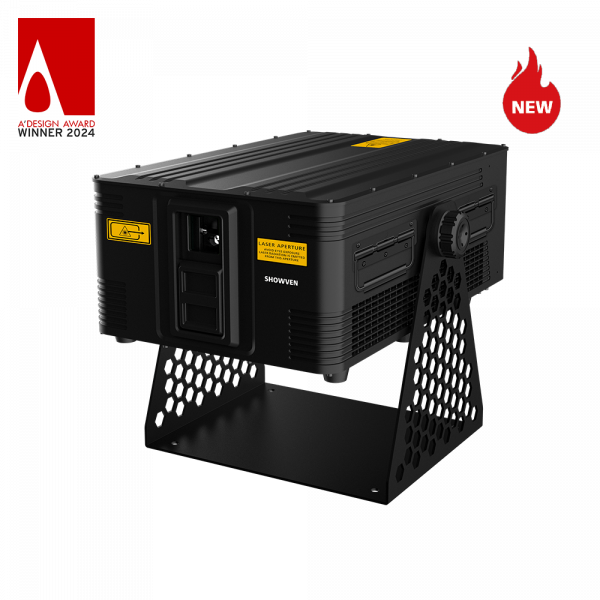
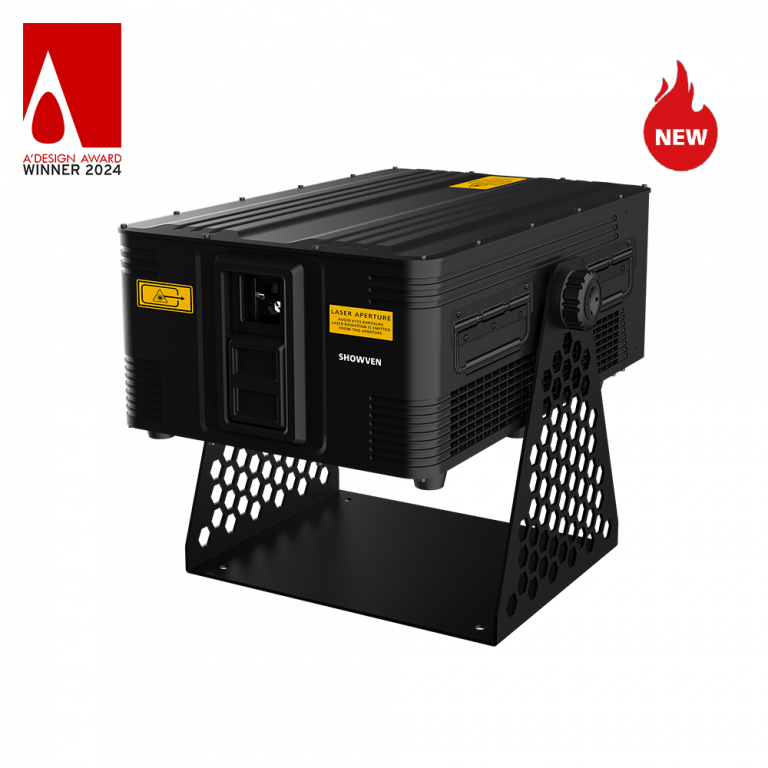
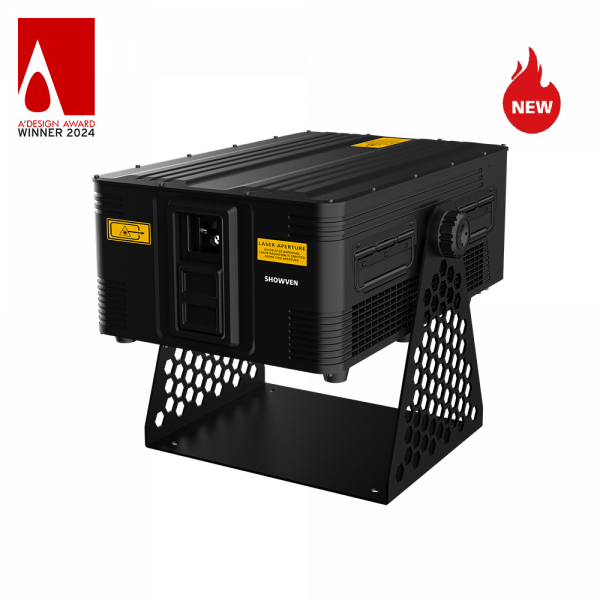
Consider a touring rig that replaced long ILDA runs with fiber Art-Net/sACN and per-head verification. The operator drives cues from a clocked timeline; each laser light display projector enforces scan-fail protection locally and logs events. When the venue power wobbles, onboard capacitive buffering holds modulation. If haze thickens, sensors trim power to stay inside MPE. The change is visible: edges stop swimming; fanouts land on beat; safety holds even when the crowd surges. It feels calmer to run—less chasing, more control. And yes, you will notice.
Closing Advice: Choose Sync That Scales
We compared habit against principle. Old chains rely on cables and hope; modern rigs rely on time and local control. The lesson is simple: put precision where errors happen, at the fixture and in the clock. To choose well, use three metrics. First, timing integrity: does the system support PTP or equivalent and show end-to-end latency under load (sub-20 ms to the eye, measured)? Second, beam fidelity: can scanners hold linearity with heat, and is beam divergence stable across the zoom range? Third, safety automation: are scan-fail, zone masks, and audit logs enforced at the head, not only at the console? Compare on these points, not just on watts or features—your audience will feel the difference. For deeper technical notes and product options, see Showven Laser.