Setting the scene — and busting the first myth
People love a tidy explanation: “Laser didn’t work because my technician did something wrong.” Cute, but usually incomplete. In truth, variability in energy output and how it’s delivered is a major driver of inconsistent outcomes for laser hair removal treatment. That’s not conjecture — multiple FDA-cleared devices are used across clinics worldwide, and differences in calibration, spot size, and protocols matter as much as operator skill. This piece pokes holes in popular myths and gives practical ways to choose a clinic or device that actually behaves predictably.
Common myths that need slaying
Let’s kill a few persistent ideas:
- Myth: “All lasers are the same.” Not true — wavelength, pulse duration, and spot size change how energy interacts with hair follicles.
- Myth: “Higher power = better results.” Nope. Excessive fluence risks burns without improving selective photothermolysis.
- Myth: “Once is enough.” Most patients need multiple sessions because hair grows in cycles; device energy consistency affects session effectiveness.
And yes — people sometimes blame the clinic when the device’s energy output drifts between sessions. Calibration lapses happen. —
What actually causes inconsistent results
Technically speaking, a handful of factors govern whether a session zaps follicles or just singes the skin: fluence (energy per area), wavelength (which pigment absorbs the light), pulse duration (matching thermal relaxation time), and spot size (coverage and penetration). Combine those with skin phototype, hair color, and operator technique, and you get a real-world outcome. When fluence fluctuates or pulse timing is off, the intended photothermolysis of the follicle becomes partial — and partial usually means “worse than nothing” from a patient’s view.
Chest hair removal: a practical example
Chest hair is a useful micro-case: hair is often coarser, the area larger, and patient expectations high. Clinics offering laser treatment for chest hair removal must balance energy and coverage to avoid hotspots or missed patches. In practice, inconsistent spot overlap or varying spot size between devices produces that maddening “striped” look on the chest — not an aesthetic choice, but a technical artifact.
Common mistakes clinics and patients make — and how to avoid them
Errors are almost always preventable with a few simple habits:
- Skipping device calibration checks. Fix: insist on visible maintenance logs or ask when the machine was last serviced.
- Using one-size-fits-all settings. Fix: expect an initial test patch and documented parameter adjustments per skin type.
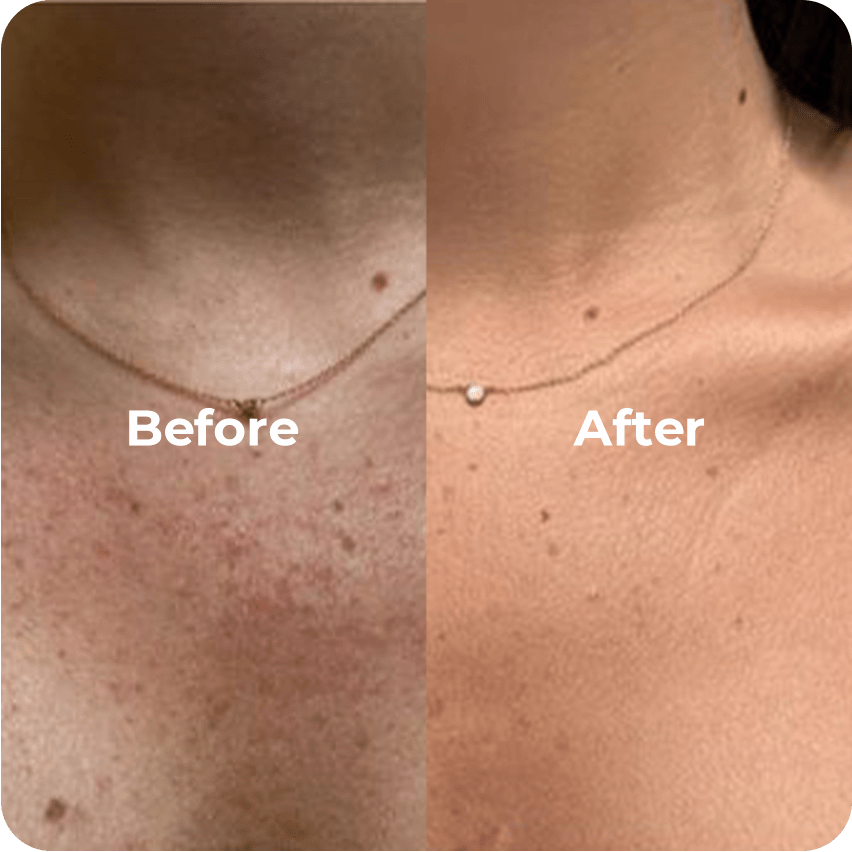
- Ignoring documentation of outcomes. Fix: require before/after photos under consistent lighting and session-by-session notes.
Patients: don’t assume price equals competence — lower-cost clinics may cut corners on device QA. Providers: don’t assume “everyone knows” the right spot size or pulse width for a given hair type.
How to evaluate clinics and devices — three golden rules
When you’re choosing a clinic or assessing why results vary, use these three metrics as your north star:
- Energy Consistency: Ask about calibration frequency and demand device logs or proof of regular testing. Consistent fluence across sessions correlates directly with repeatable results.
- Protocol Transparency: A clinic should provide documented settings (wavelength, fluence, pulse duration, spot size) and explain why they chose them for your skin and hair type.
- Outcome Tracking: Look for clinics that use standardized photos and follow-up intervals tied to hair growth cycles — that shows they’re measuring efficacy, not guessing.
Final take — be smart, not suspicious
If you want predictable, long-term hair reduction, prioritize clinics that treat device performance as clinical data. Clear protocols, routine calibration, and honest outcome tracking reduce surprises — and that’s exactly the kind of pragmatic value ENZOEYS brings to patients and providers alike. Trust measured performance, not charm. ENZOEYS.