Opening comparison that frames the choice
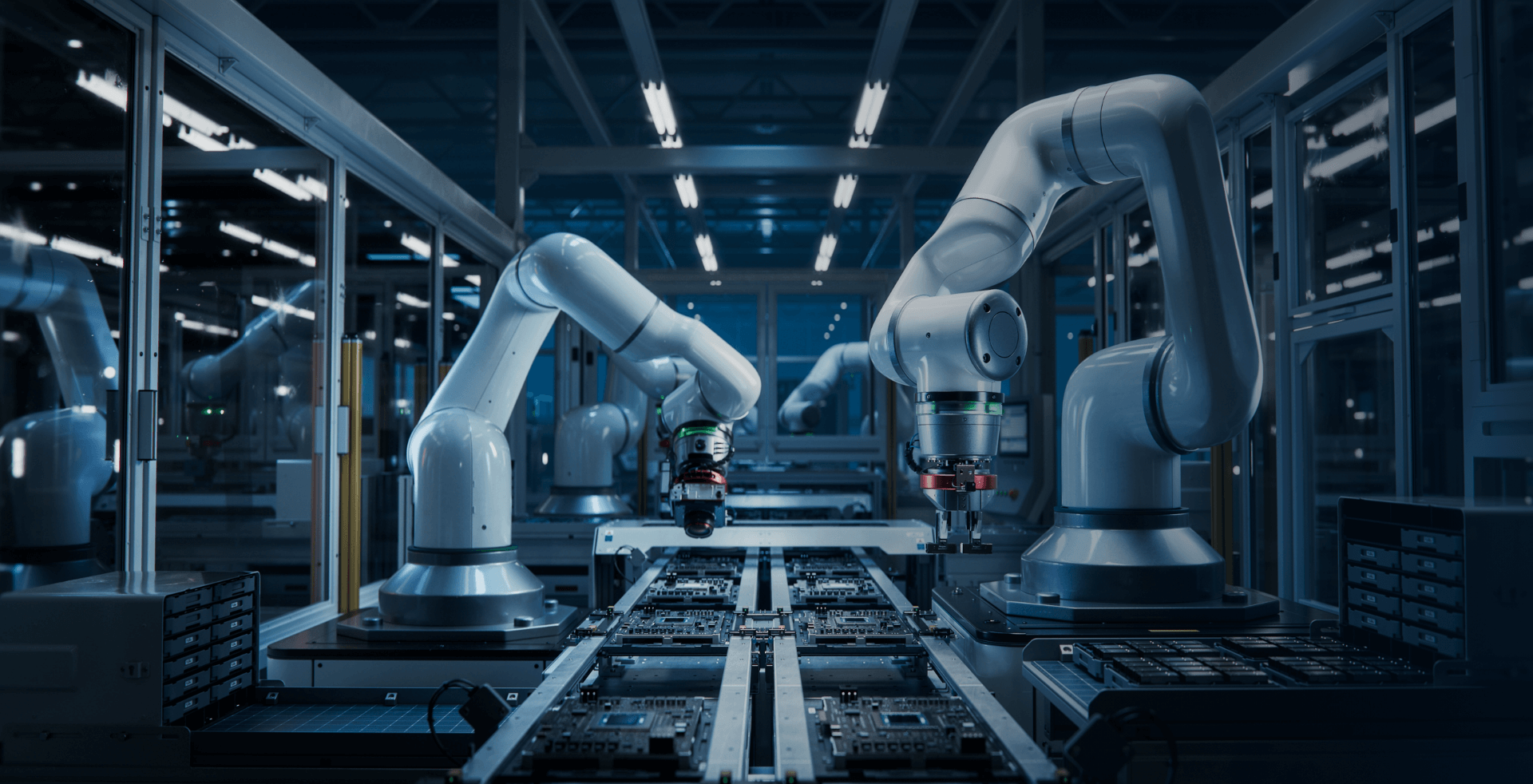
Manufacturers face a clear fork: a traditional blade battery assembly line built around manual stations and tight operator skills, or an automation line that replaces repeated manual tasks with machines and sensors. This comparative insight looks at what changes on the shop floor, from cycle time to operator roles, and why selecting the right path matters for product quality and cost. If you want the tech side laid out plainly, consider how manufacturing automation technology shifts error rates, throughput, and layout needs—often more than people expect.
Core technical differences
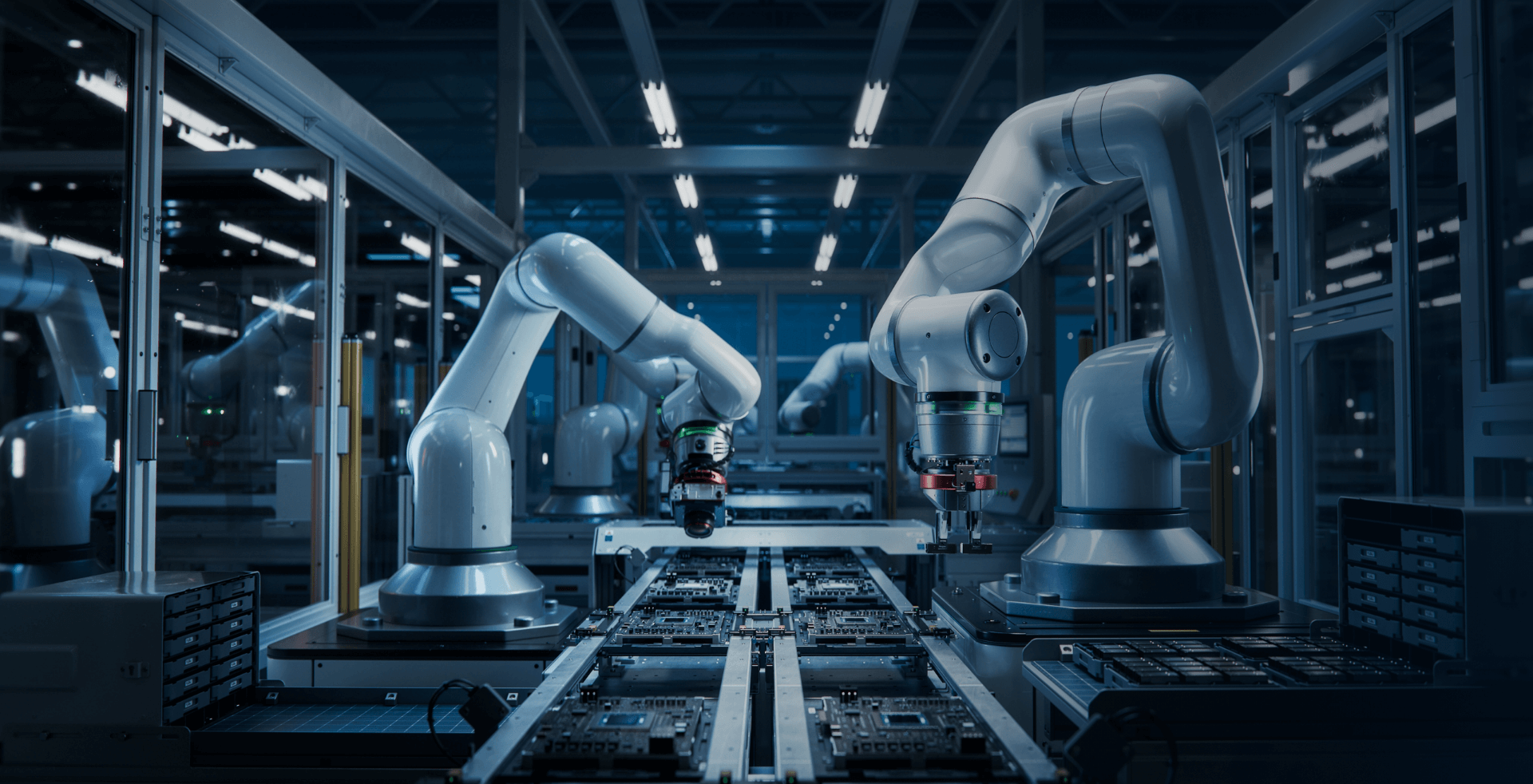
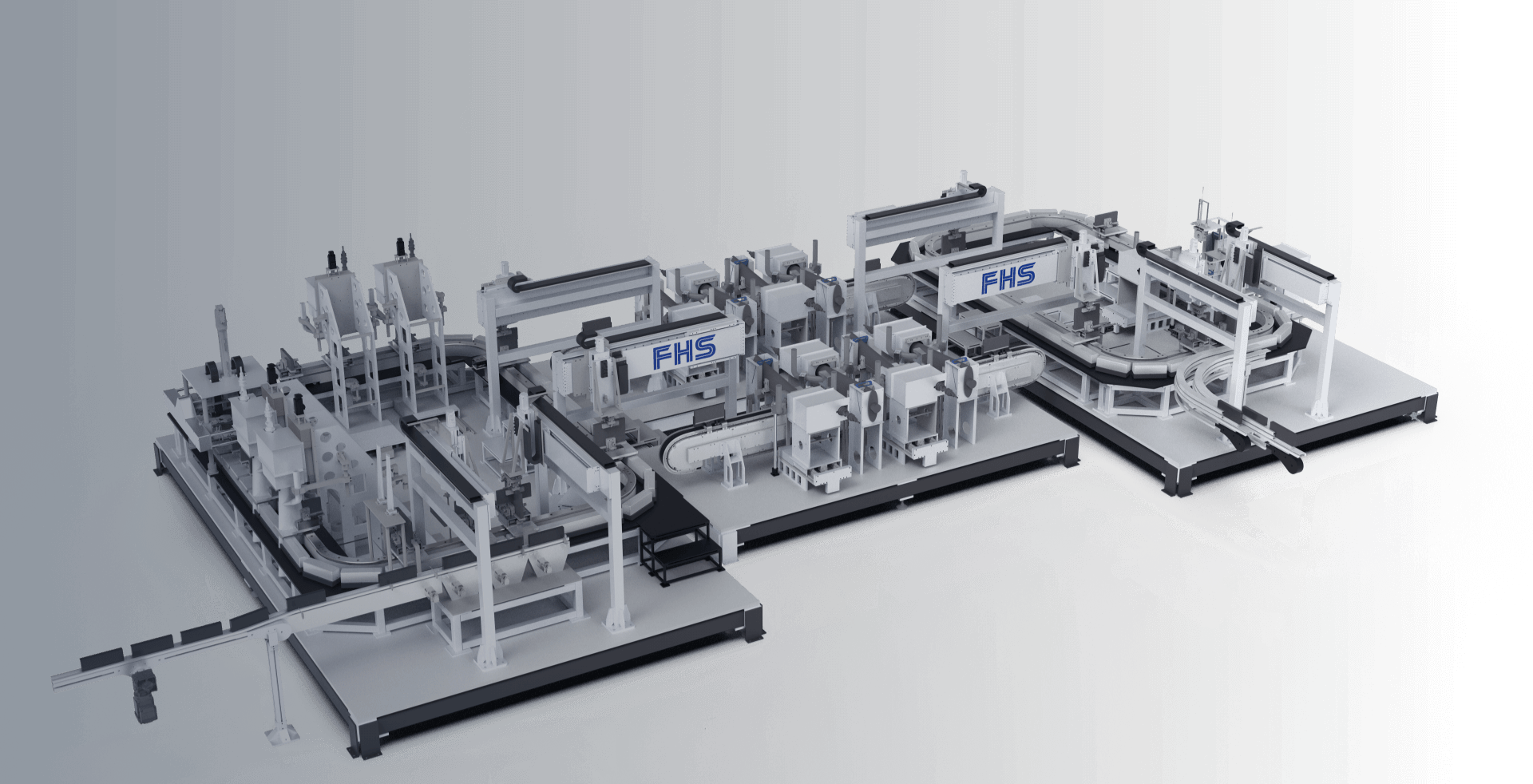
– Process control: Assembly lines rely on human judgment for alignment, torque, and visual inspection. Automation lines use sensor feedback, vision systems, and repeatable motion profiles to control each step. – Equipment footprint: Automation typically consolidates multiple manual stations into compact robotic islands, changing floor planning and maintenance patterns. – Repeatability and yield: Machines reduce variability; automated torque and precise dispensing often lift yield for tight-tolerance packs. – Data and traceability: Automation lines capture process data automatically; manual lines need extra steps to achieve the same traceability. That data link is where industrial automation technology pays back by making quality events faster to diagnose. – Skill mix: With automation you shift staff from hands-on assembly to robot programming, maintenance, and quality analytics.
Cost, throughput, and when each pays off
– Upfront capital: Assembly lines cost less to start. Automation requires higher initial investment for robots, conveyors, and integration. – Break-even triggers: Expect automation to justify itself when annual volume or labor costs cross a threshold. That threshold varies by region and product complexity. – Throughput profiles: Manual lines offer flexible takt time for small batches; automated lines deliver consistent high throughput for long runs. – Hidden costs: Consider spare parts, specialized maintenance, and controls engineering for automation; consider operator training and variability for manual lines.
Quality control and common failure modes
– Manual errors: Misalignment, inconsistent adhesive application, and missed inspections are common. Mitigation requires checklists and redundant inspections. – Automation faults: Mis-calibrated robots, clogged dispensers, and vision false-negatives are the usual culprits. Prevent these with routine calibration, filterable dispensing paths, and robust lighting for vision systems. – Hybrid risk: Mixing manual and automated steps without clear handoffs creates the most defects. Define interfaces strictly—who is responsible for what data, who signs off on a part, which sensor governs a decision.
Implementation pitfalls manufacturers repeat
– Rushing to automation without a validated process leads to rework. Lock the process on a manual pilot, then automate the proven sequence. – Over-automation: Automating every micro-step raises complexity and cost; automate the high-frequency, high-variance operations first. – Underestimating maintenance: Robot downtime kills throughput if spares and skills aren’t ready. Plan for mean time to repair and have trained technicians on site. – Cutting traceability: Skipping automated data capture saves money short term but costs time during failure analysis.
How to decide by product and scale
Start with these clear questions: What is your planned annual volume? How tight are your tolerances? How often does the product change? If you plan steady, high-volume blade-style modules with strict torque and dispense specs, automation usually wins on yield and cost per unit. If products change every few months or volumes are modest, a skilled assembly line gives flexibility. I’ve advised teams who presented prototypes at Hannover Messe and found the same pattern—proven, repeatable processes move to automation fastest.
Quick roadmap for a smooth transition
– Validate the manual process first. – Map defect causes and target the top 20% that drive 80% of failures. – Pilot automation for those critical steps only. – Train technicians on maintenance and data interpretation before scaling. – Keep one clear owner for each process handoff; responsibility avoids confusion.
Final synthesis
Choose based on concrete measures: production volume, defect drivers, and the team’s ability to support controls and maintenance. When the numbers and the quality story align, automation delivers consistent gains; when variability or frequent product changes dominate, a skilled assembly line keeps costs low and flexibility high. Either path benefits from a partner who understands both the mechanical flow and the software that runs machines, a partner like FHS that combines shop-floor experience with systems thinking to match the right level of automation to real factory needs.