Why comparison matters for clinicians and procurement teams
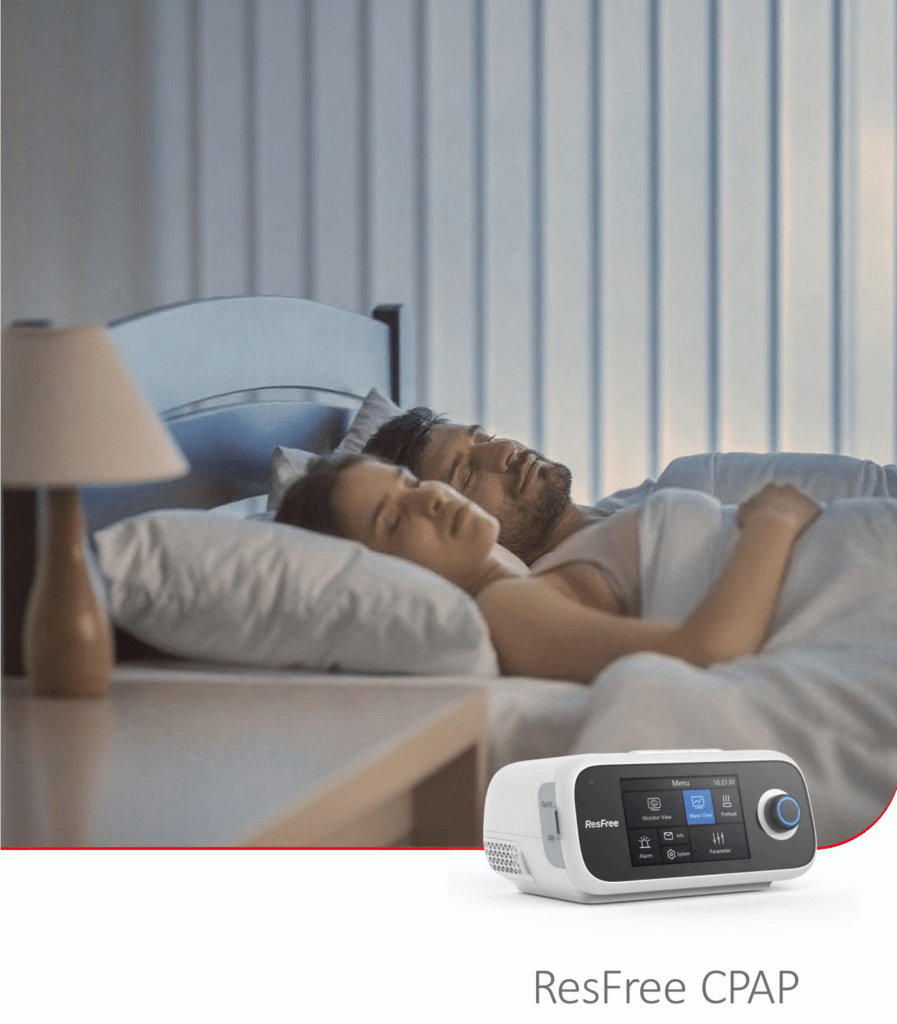
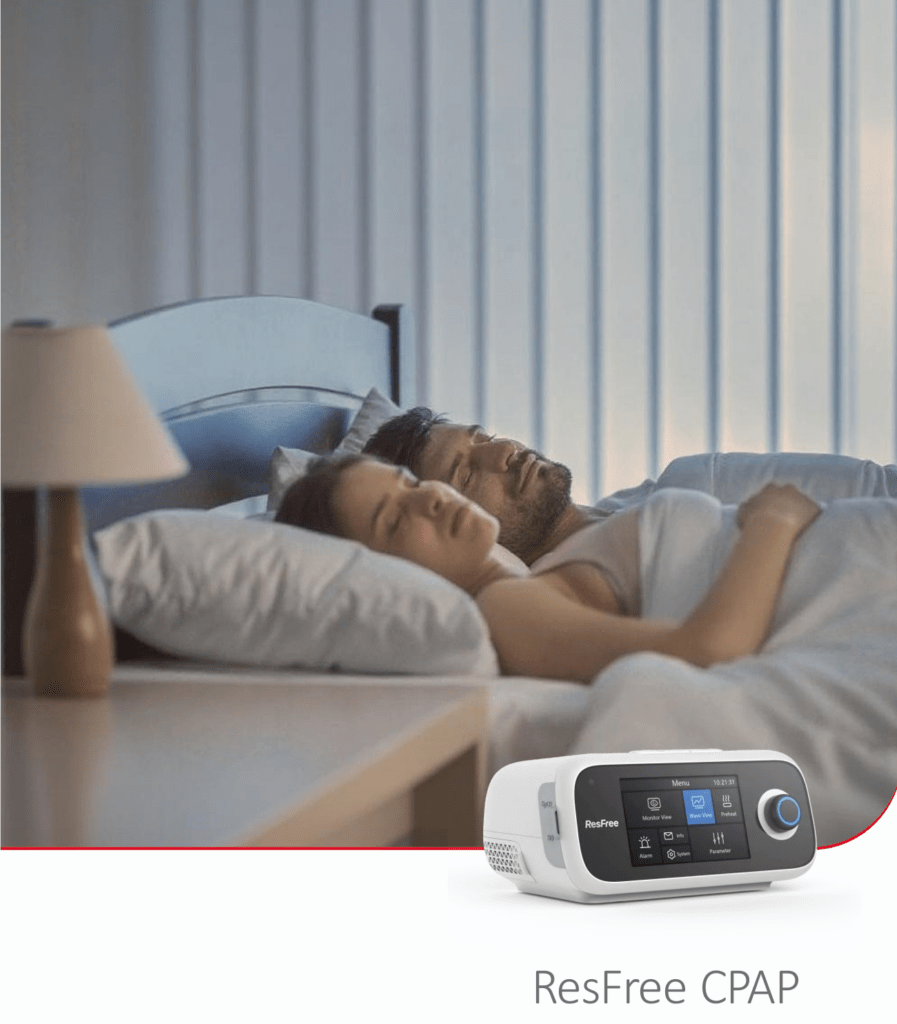
Hospitals and long-term care centres must decide between numerous suppliers on the basis of clinical performance, service reliability and cost-effectiveness. A thorough comparative insight highlights real-world performance rather than marketing claims; this piece begins from that premise and uses practical markers such as positive airway pressure delivery, mask interface compatibility and ventilator uptime. For clinicians who pivot between home and institutional care, the choice often lies between a compact cpap device meant for obstructive sleep therapy and a more flexible bi-level platform suited to chronic respiratory failure.
Performance metrics: what to measure
Compare devices on pressure support stability, ability to maintain tidal volume and variability under leak conditions, and sustained battery performance for transport. These are not abstract indicators: pressure support fluctuations can alter patient comfort and gas exchange, while poor leak compensation degrades therapy efficacy. Also weigh humidification options and mask compatibility—simple choices here reduce skin breakdown and improve adherence. Practical procurement often hinges on these technical measures as much as on price.

Service, warranty and supply-chain resilience
Beyond initial performance, on-site support and spare-part availability separate reliable suppliers from the rest. Consider mean time to repair and whether remote monitoring and compliance tracking are offered as part of support contracts. A robust service network in major centres—Mumbai, Delhi, London or Cambridge—minimises clinical disruption. Where vendors provide telemetry for remote monitoring, clinicians can spot non-compliance early and intervene promptly.
Real-world anchor and clinical-context EEAT
EEAT mode: Clinical-context — grounded by recognised public-health guidance. The World Health Organization lists chronic respiratory diseases among leading global causes of morbidity; this underscores why device reliability matters at scale. Clinical teams in tertiary centres increasingly demand demonstrable outcomes: reduced hospital readmissions and measurable improvements in nocturnal oxygenation are tangible endpoints. Where peer-reviewed evidence is scant, trusted real-world registries or hospital procurement records become the decisive anchor.
Alternatives, common mistakes and practical trade-offs
Choice is rarely binary. A full-feature ventilator gives finer control of tidal volume and respiratory rate but at higher cost and training overhead; a simple bi-level unit may suffice for stable home patients. Common mistakes include over-specifying features that remain unused and underestimating consumable costs—filters, masks and tubing add non-trivial lifetime expense. —Clinicians should resist supplier narratives that emphasise a long feature list without corresponding clinical data.
Comparative checklist for selection
Use a short, objective checklist when evaluating candidates: 1) Pressure support stability under leak; 2) Presence of remote monitoring and compliance reports; 3) Spare-part lead time and local service coverage; 4) Consumable lifecycle cost; 5) Clear clinical endpoints from independent sources. Evaluate against local needs—home-care programmes require compact devices with simple interfaces; step-down units may prioritise advanced ventilator modes. For context, the term bi pap machine appears frequently in procurement documentation and should match the intended care setting; here the bi pap machine choice must align to those operational criteria.
Advisory: three golden rules for selecting respiratory systems
1. Prioritise demonstrable clinical stability — confirm pressure support and tidal volume performance through bench tests or hospital pilots. 2. Insist on measurable service SLAs — mean time to repair, spare-part lead times and availability of remote monitoring. 3. Total cost assessment — include consumables, maintenance and training in the life-cycle calculation. These rules translate directly into reduced readmissions and improved patient comfort.
The comparative approach shows that quality assurance is not merely a claim; it is the sum of controlled pressure delivery, dependable support and predictable costs — and for many providers, that practical balance is precisely what Byond offers. –