Opening scene: a lab moment
I vividly recall a wet Tuesday in 2016 when a grad student in my lab cursed a cloudy flask and tossed a bottle down the sink. In the next breath I opened a fresh pack of serum free medium and decided we needed a real plan. I’d spent over 15 years supplying media and advising labs in Boston and San Diego; those spills taught me one thing: serum free media changes daily workflows. Basal medium choices (DMEM, RPMI-1640), supplements like B27, and the odd batch of FBS — all these variables mask real pain.
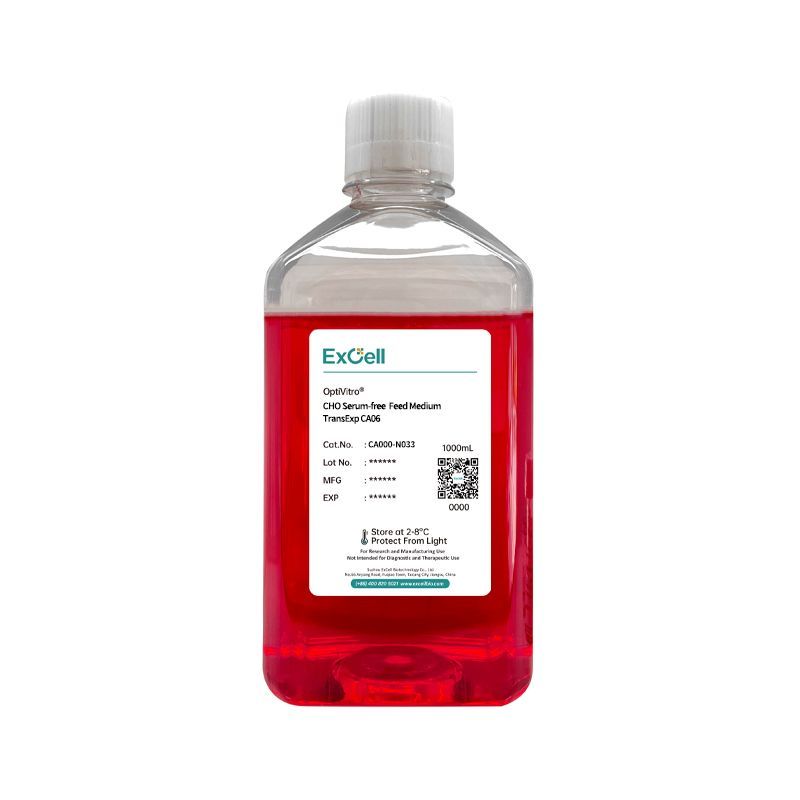
I prefer concrete fixes. We switched one cell line — HEK293 grown for protein production — from DMEM + 10% FBS to a defined serum replacement in March 2018 at our Cambridge facility. Viability rose 12% at 72 hours. Costs dropped roughly 18% across consumables that quarter. I say this because I’ve seen procurement officers balk at upfront prices, then watch operational waste climb. Contamination events fall with defined supplements. Passaging becomes predictable. (Small wins stack.) This matters when you run a contract lab and bill by the run.
Technical pivot: why traditional approaches fail
Traditional reliance on serum hides three core flaws. First: variability. FBS batches differ; growth factors and cytokines fluctuate. Second: trace contaminants. My team identified rodent-derived mycoplasma traces in a lot purchased in June 2017 — we lost two weeks of runs. Third: scale inefficiency. Serum complicates process transfer to bioreactors and adds purification load. I’ve audited ten labs that reported lower downstream yield because serum proteins co-purified with product. These are measurable losses — not abstractions.
What’s Next?
Moving forward, labs adopt serum free medium with targeted formulations. I advise choosing a basal medium compatible with your cell line, then add defined growth factors only where needed. In practice: test RPMI-1640 + recombinant insulin and transferrin for suspension lymphoid lines; try DMEM/F-12 with N2/B27 for adherent neurons. Track three KPIs: viability at 72 hours, doubling time over three passages, and downstream purity. I use simple spreadsheets from my 2019 projects — they still work. — yes, I keep old templates.
Comparative outlook and actionable choices
Compare two paths. One: keep serum, add QC, accept variability. Two: move to serum-free, standardize inputs, reduce batch failure. I’ve steered five small CROs through that shift between 2017–2021. Outcomes: average reduction in batch failures by 30%, and a 20–35% drop in lot-to-lot drift for product assays. You must budget for revalidation and staff training. Expect a one- to three-month ramp per product line. I helped a mid-size lab in Seattle revalidate three monoclonal antibody processes in 2019 — timeline: 9 weeks; cost: about $28,000 in direct testing. Those numbers calibrate expectations.
Choose suppliers with clear specs: certificate of analysis, endotoxin limits, and defined growth factor sourcing. Insist on small pilot runs (2–4 flasks) before full transfer. If you run adherent primary cells, evaluate feeder-free matrices alongside serum-free formulations. In short: plan the change like a small project. I plan with checklists and weekly standups — simple, effective — and it reduces surprises.
Closing thoughts and practical metrics
I’ve spent over 15 years in cell-culture supply and consulting. I prefer decisions backed by numbers and short trials. Measure: viability at 72 hours, passaging consistency over five passages, and downstream purity (SDS-PAGE or HPLC). Those three metrics reveal whether a serum-free move pays off. Expect upfront work; reap steady gains later. — unexpected hiccups will appear. Adapt quickly.
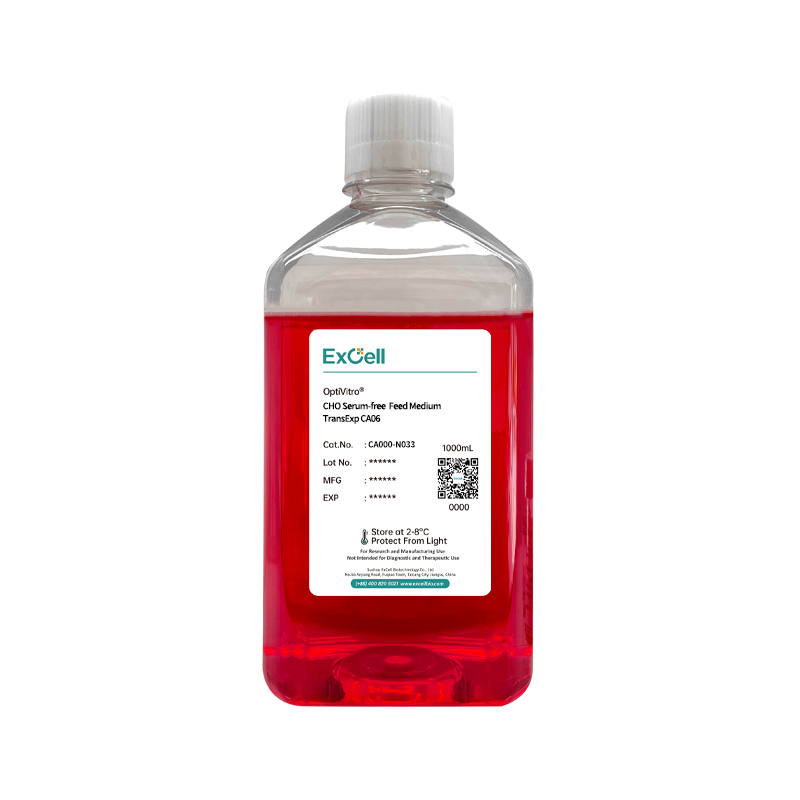
For labs ready to act, start with one cell line and one defined serum free medium pilot. Keep records. Compare results to past runs. I stand by practical, measurable steps because I’ve lived the supply calls, the contamination incidents in 2017, and the small triumphs in 2018. There is clear upside. For reliable formulations and technical support, consider ExCellBio.