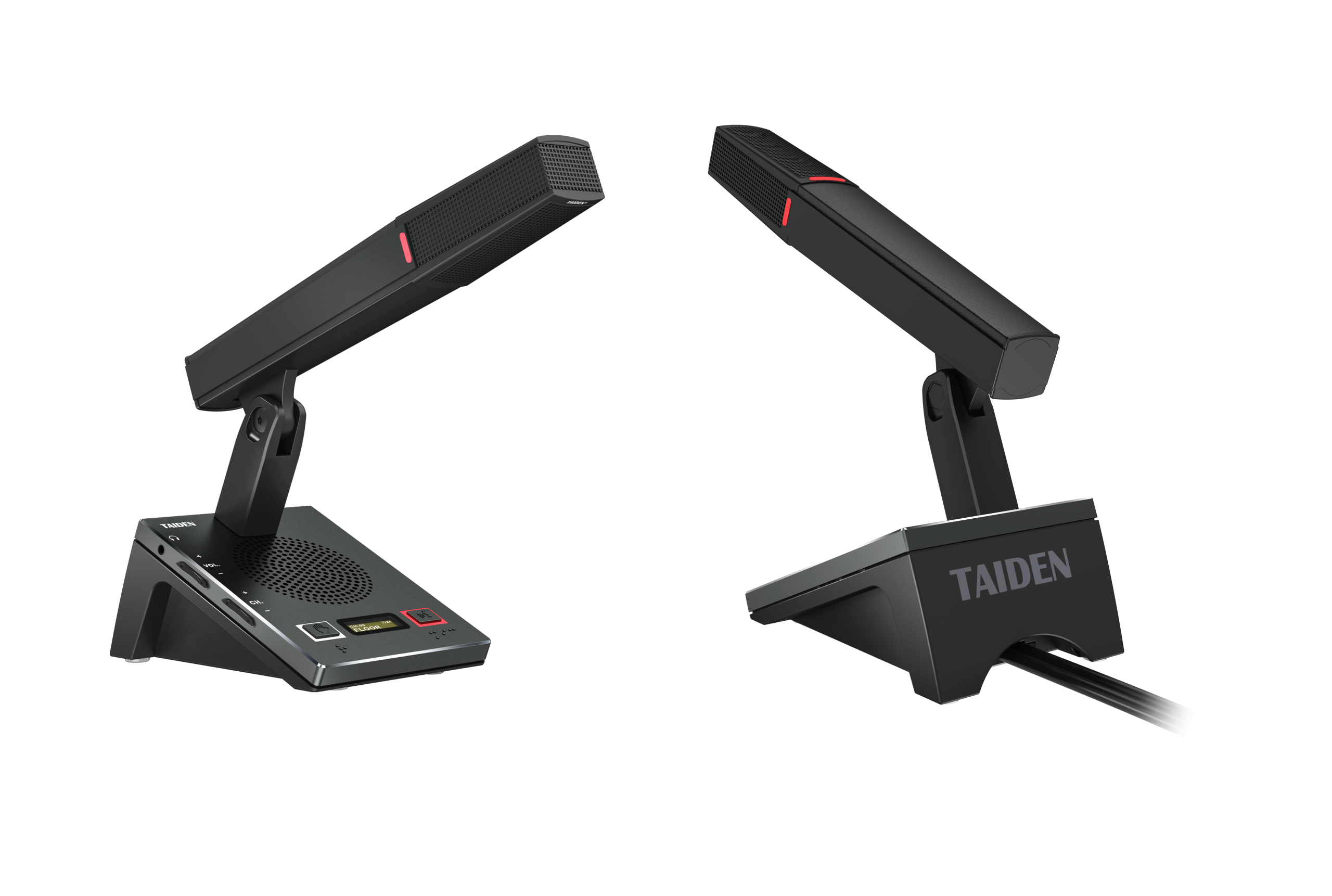
A Meeting That Hums, Not Hiccups
You walk into a glass-board room, half the team onsite, half on video, and the clock is ticking. The conference room mic system takes center stage in seconds, even before the first slide loads. Across hybrid teams in APAC, reports show that a large share of meeting fatigue comes from poor audio—missed words, overlaps, and awkward repeats. So here’s the big question: if we can stream movies in 4K at home, why do we still struggle to hear a colleague three seats away (lalo na in open, echo-prone spaces)? Today, we compare where legacy setups stall and where new, smarter systems pull ahead—so you can choose without guesswork. Let’s move to the nuts and bolts next—no fluff, just clarity.
The Hidden Friction Behind “It Sounds Fine”
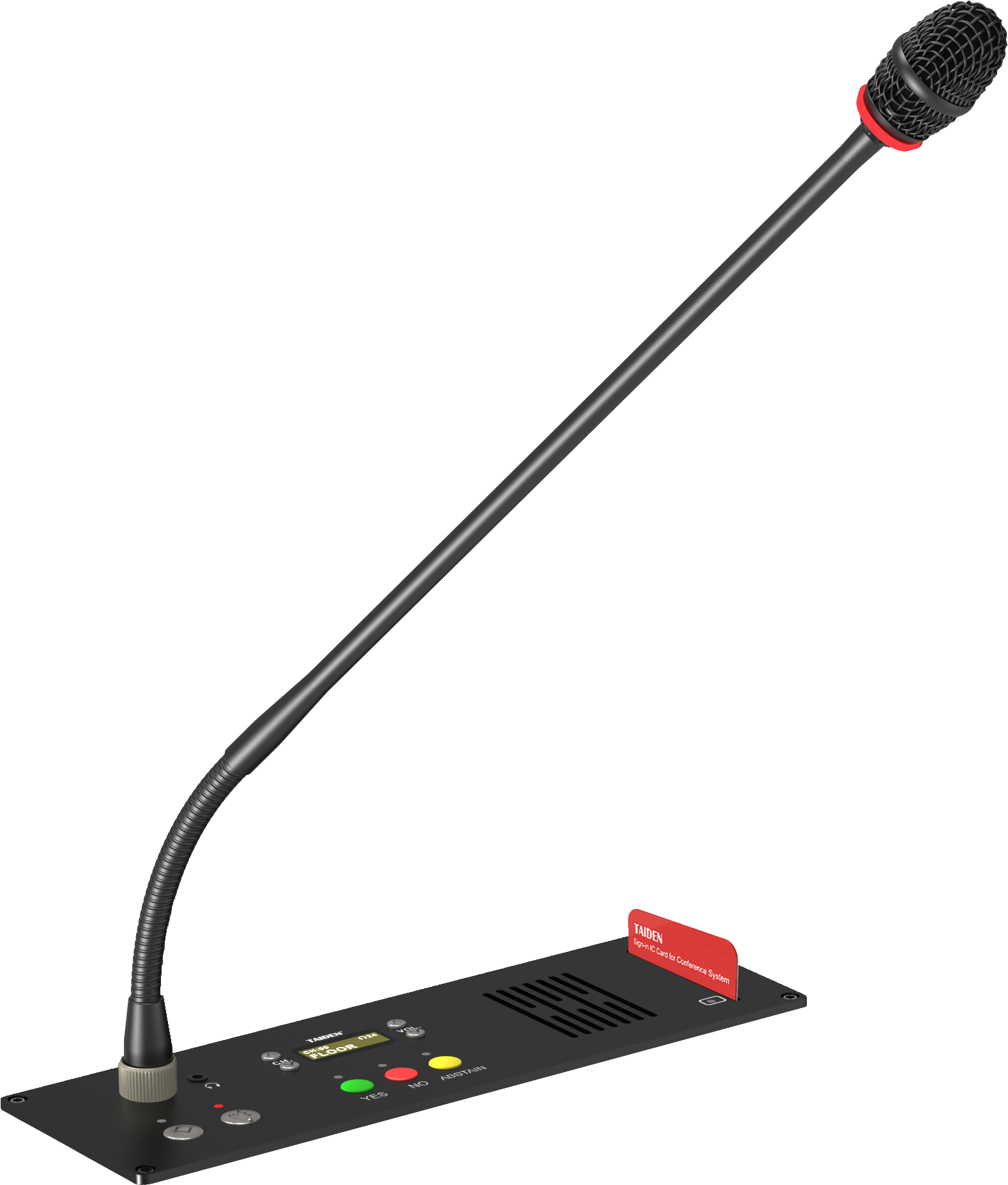
A modern discussion device promises clear speech and less fuss. But the real story sits under the hood. Many teams live with silent pain points: inconsistent gain structure, weak AEC, and room modes that smear voices. These issues hide until the room is full or when a hybrid call adds network delay. A legacy tabletop mic may capture every cough and paper shuffle, yet clip the quiet voices at the back. DSP can fix some of this, but only if the chain is tuned end-to-end—mic capsule, preamp, codec, and loudspeaker. Look, it’s simpler than you think: if the noise floor is high and SNR is low, intelligibility drops, no matter how “premium” the badge looks. And when PoE hubs share power with chatty devices, you can add hiss or hum—funny how that works, right?
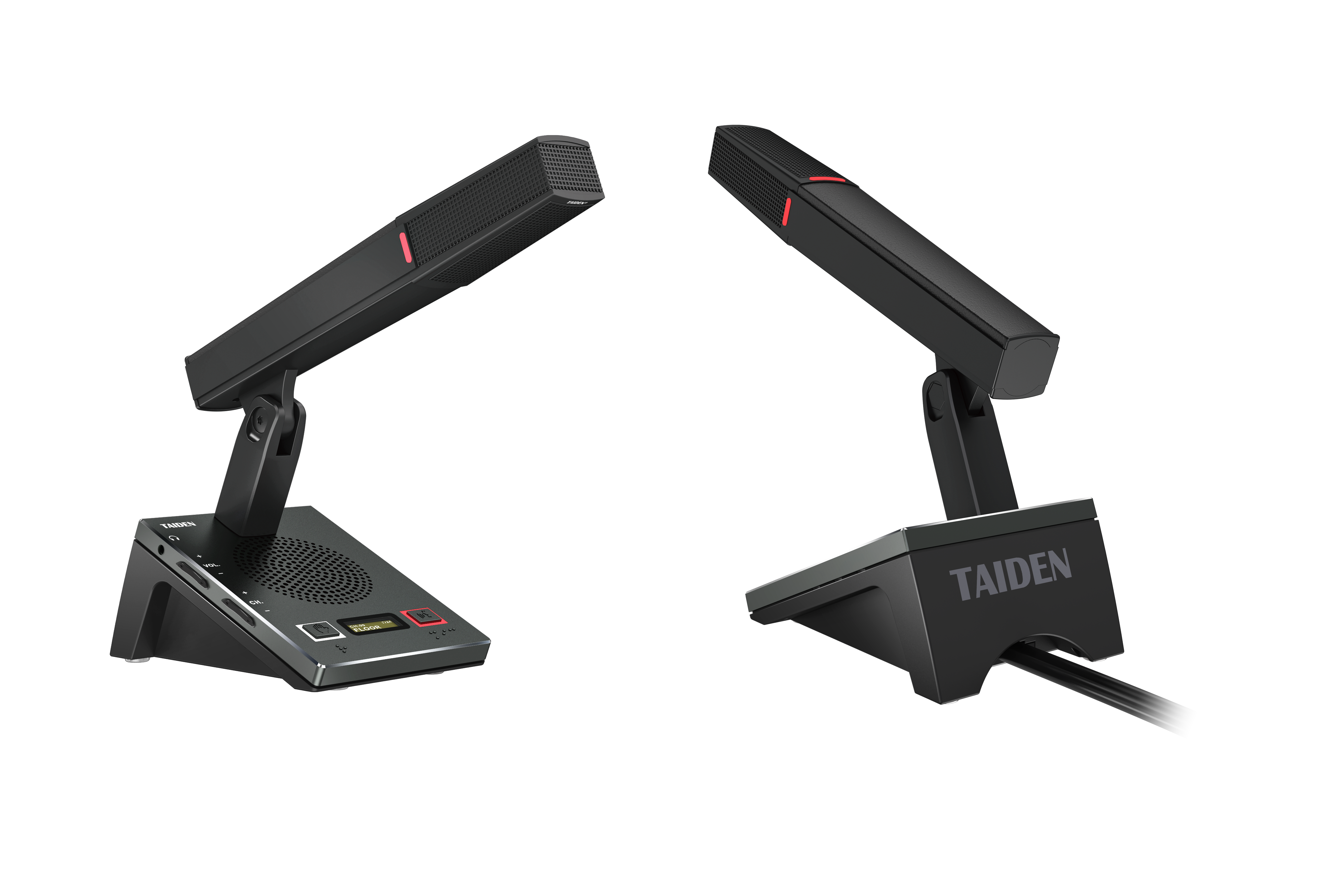
Technical rhythm beats habits. Traditional setups reduce feedback with blanket EQ and a tighter gate, then hope for the best. But that punishes soft talkers and rewards loud ones. In contrast, smarter beamforming arrays track who’s speaking and shape pickup patterns in real time. That means fewer artifacts from HVAC rumble and fewer false mutes. Add proper jitter buffer settings and low-latency codecs, and remote teams hear a voice that lands on time, not smeared. The flaw in old approaches is not hardware alone; it’s the fragile pipeline. If a chain lacks calibrated AEC and proper routing, you get echo tails and phasey voices. Fix the pipeline, and the room sounds “bigger” and clearer—without cranking volume.
From Pain Points to Playbooks: What Better Looks Like
What’s Next
Let’s flip from symptoms to direction. In a recent rollout across mid-size boardrooms, teams replaced mixed-bag mics with a unified system where each delegate unit was tuned as part of the whole. The result was not magic; it was method. Adaptive beamforming plus calibrated DSP gave predictable SNR, even with side chatter. When a presenter turned to the screen, the pickup stayed coherent. When remote users joined, AEC and echo reference paths were already mapped—so no last-minute “can you hear me?” drama. The comparative gain came from design rules: stable clocking, clean power converters, and headroom-aware routing. It’s a forward step, not a leap, but it feels modern because voices are steady and local. As in, you hear the person, not the room.
Future-facing rooms will push more decisions to edge computing nodes right in the mic network, trimming latency and offloading heavy DSP from central racks. Expect smarter diagnostics that show live SNR, open mic counts, and auto-mix priorities—at a glance. And yes, a compact delegate unit can become a signal hub, bridging control, power, and audio over a single cable. The tempo shifts from “set and pray” to “observe and adjust.” In short, the best systems compare well because they control the variables—room gain, pickup angles, talker distance—rather than fight them. Advisory close, so you can act today: Three metrics to judge any path forward: 1) intelligibility under load—check word clarity at 70% seat fill and with HVAC on; 2) latency budget—keep end-to-end talk-back under 150 ms with stable jitter management; 3) resilience score—watch for echo stability, RF immunity, and clean PoE under mixed traffic. With these in hand, your choice becomes obvious—and calm—kahit under deadline. Learn more from brands shaping this space like TAIDEN.