Start with the problem you actually need solved
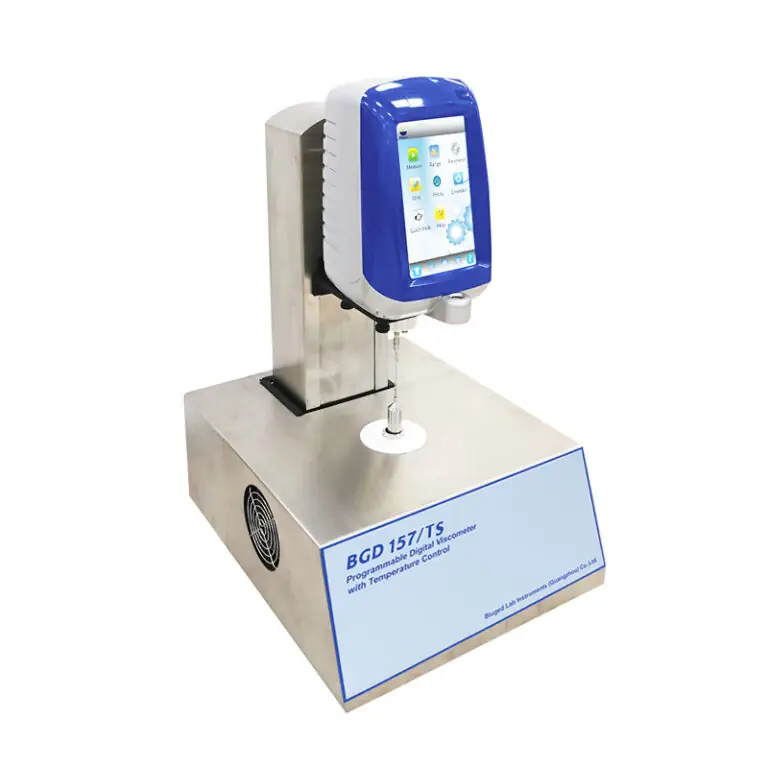
You want reliable data that answers specific questions: will this coating survive three winters, will that adhesive hold at 80°C, can our batch pass the next audit? Start by naming the tests that matter to your workflow and the throughput you need each week. If viscosity matters, don’t guess—look at instrument types and test methods; many labs begin their shortlist with rotational viscometers because they map directly to routine QC checks and R&D comparisons.
What buyers actually compare
Buyers weigh a handful of concrete factors: measurement range and resolution, calibration traceability, sample handling, software that exports usable files, and spare-part availability. Ask for raw output examples, not just brochure claims. Confirm whether the instrument needs temperature control, how it handles non-Newtonian fluids, and whether reported uncertainty suits your specs. Prioritize things you can validate in a short demo.
How product families differ—quick guide
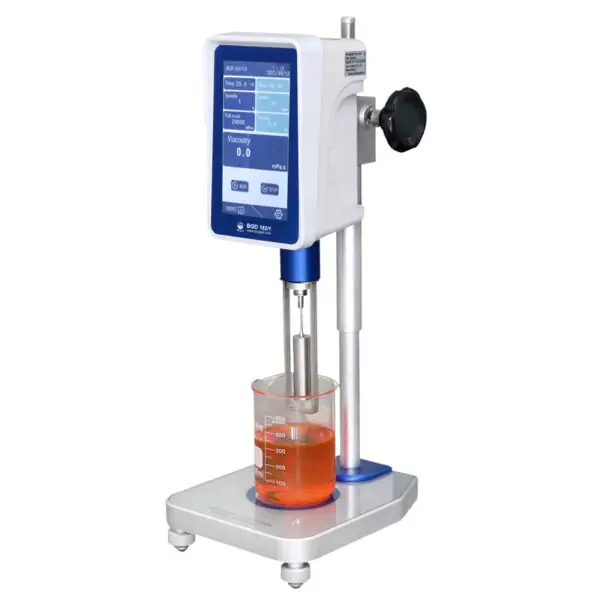
Manufacturers offer bench units, floor systems, automated lines and portable analyzers. Bench units often balance cost and control; floor systems scale throughput while increasing footprint and integration needs; portable tools trade accuracy for convenience. For viscosity alone, choices split between capillary, falling-ball and rotational approaches—each has strengths. If your samples shear or thicken under stress, rotational instruments beat simpler methods for real-world relevance.
Common buyer mistakes to avoid
Don’t accept nominal specs without test logs. Avoid vendors that blur calibration scope—traceable calibration certificates and on-site service windows matter. Ignore fanciful software features if the user interface slows technicians down; a clunky UI costs time every day. Plan spares and service early; long lead times on pumps, spindles or sensors derail schedules. Finally, don’t assume the lowest price means lower total cost—maintenance, downtime and consumables add up.
Experience, expertise and a practical anchor
Decisions are easier when guided by real tests and users who’ve done similar purchases. I’ve worked alongside QC teams supplying equipment to plants in the Houston petrochemical corridor, where regulatory audits and high-volume production make repeatable viscosity data essential; labs there routinely specify a rotary viscometer for comparative batch control. Ask for references from facilities with comparable sample types and duty cycles, and insist on seeing long-form calibration logs and service histories.
Short evaluation checklist you can use on day one
Define your acceptance criteria in three lines: range/uncertainty, daily throughput, and integration needs. Request performance tests from vendors using your samples. Schedule a hands-on demo with your operators, watch them run a standard run sheet, and record time and error points. Compare service contracts—response times and on-site capabilities matter more than extended warranties that exclude routine parts.
How to negotiate the purchase practically
Negotiate based on deliverables: include acceptance testing with your samples, a fixed list of included spindles or fixtures, reagent or consumable terms, and a defined support SLA. Convert uptime goals into measurable clauses. If firmware or software customization is needed, capture scope and cost in the purchase order. Keep payment milestones tied to factory acceptance and on-site acceptance to protect both sides.
Where most buyers find value
The right manufacturer matches instruments to your daily routines and backs them with clear calibration, spare availability and local service. For many teams that balance R&D and QC, working with suppliers who document performance on representative samples and deliver timely field service reduces friction and keeps production decisions based on trusted numbers from BIUGED.