The problem teams still underestimate
Automating a blade battery assembly line brings a bundle of hidden risks that frequently derail schedules, raise compliance flags, and create safety blind spots. Teams often treat software integration and robot motion profiles as engineering checkboxes, but those choices change how cells are handled, how thermal events propagate, and how regulators view the final installation. A problem-driven approach forces you to name the likely failures before choosing suppliers or control logic.
Why these problems occur — the usual fault lines
You’ll find the same weak links across projects:
– Control logic that assumes perfect inputs rather than accounting for damaged cells. – Mechanical fixturing designed for throughput, not safe cell removal under fault conditions. – Incomplete data flows between test stations and the plant safety system. – Change management that treats electrical, automation and safety teams as separate silos. Each fault multiplies risk; combined, they create situations that trigger recalls or regulatory stops.
Hard questions every project team must ask
Ask these directly and insist on documented answers:
– How will automated pick-and-place handle punctured or swollen cells? – What failure modes have you modelled for thermal runaway, and how are they detected by the control system? – Which standards are we auditable to, and where are the traceability gaps? – How does our safety PLC interface with the MES and the human–machine interfaces? – Who owns the final risk assessment and the verification record for each safety function? – What are the shutdown and isolation procedures during a cell-level emergency? Project teams that cannot answer these crisply are not ready to commission at scale.
Common pitfalls during commissioning
Practical problems repeat:
– Commissioning teams rushing test matrix coverage to meet handover dates. – Vendors providing component-level certifications but not system-level verification. – Insufficient training for operators on fault recovery procedures. – Overlooking cable routing and cooling changes when adding new automation modules. Avoid each by building test gates and refusing to proceed without signed evidence of mitigation.
Practical checks tied to the blade battery module pack line
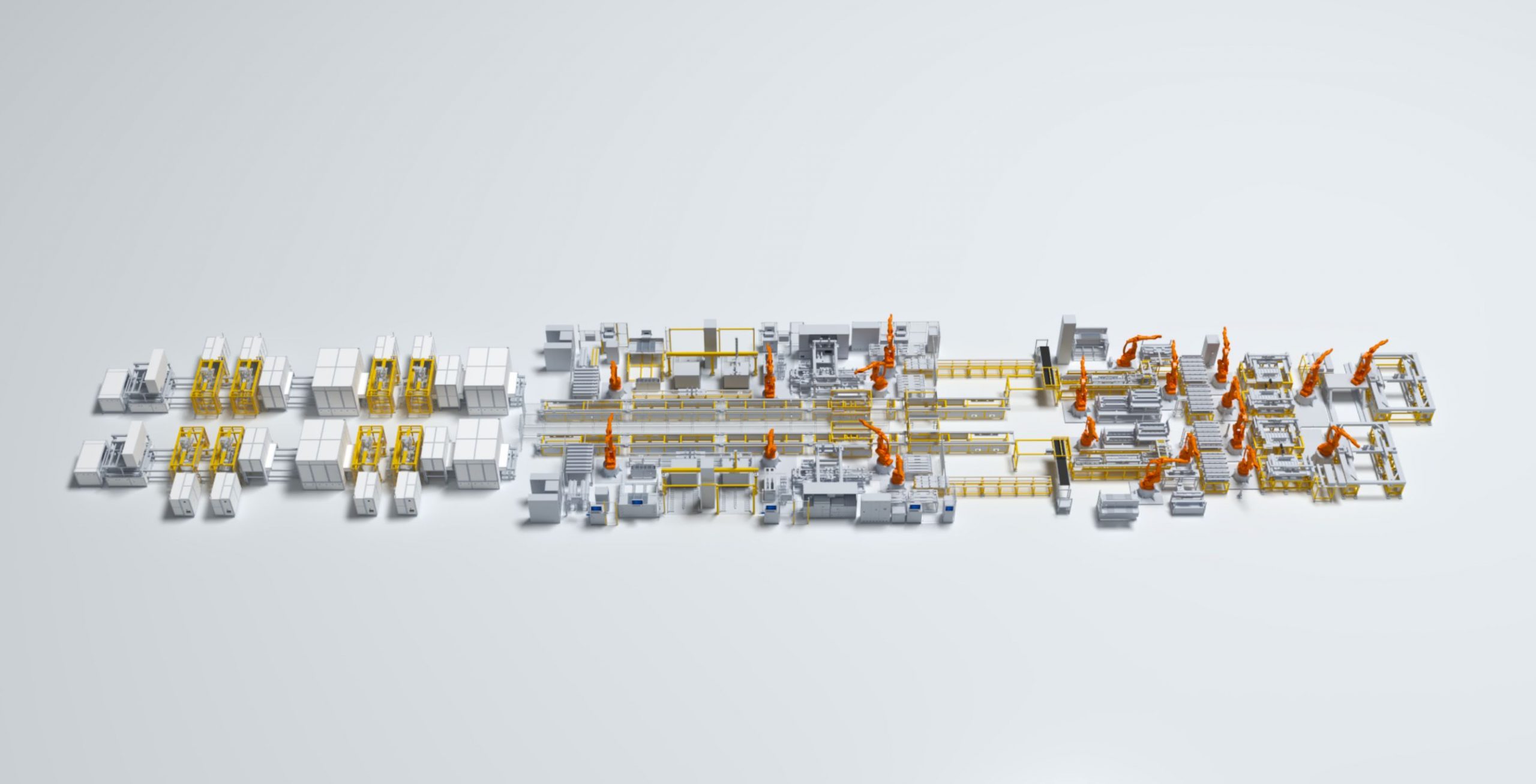
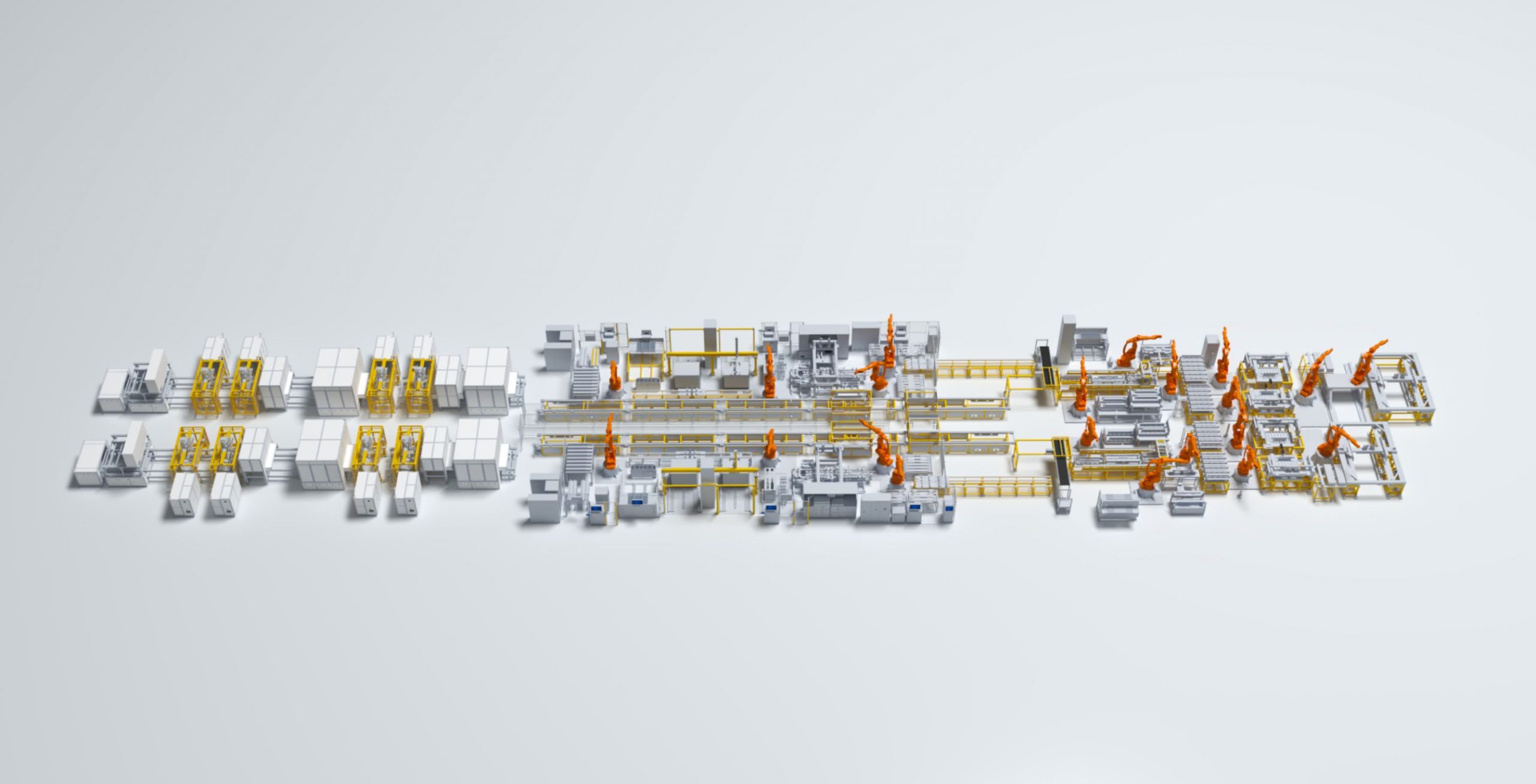
Make these concrete checks standard practice; they catch the most consequential issues. Verify thermal detection coverage across modules; simulate jam and drop scenarios with representative cells; run full interlock tests that integrate conveyor, robot, and fire suppression; and require traceable digital records for each module handled. During a recent audit at a Shenzhen production facility I reviewed, teams who ran these checks found three systemic gaps before they reached production, saving weeks of rework. Where possible, test the exact sequences you expect to run on the blade battery module pack line rather than theoretical permutations.
When a phased or alternative approach makes sense
Not every cell handling cell must be fully automated on day one. Consider staged rollouts: pilot a hybrid cell where humans perform difficult inspections and robotics handle repetitive placement; or build modular workstations that can be swapped and recertified without halting the whole line. Evaluate alternatives on three metrics: measurable safety improvement, auditable traceability, and ability to isolate faults without full-line stoppage.

Final synthesis
Project teams that treat automation as a technical upgrade miss the governance and human factors that determine success. Name your hazards, require precise answers, enforce cross-discipline gates and validate with real sequences before sign-off. That problem-driven discipline shortens timelines and reduces costly recalls; it’s the practical backbone that makes an automated blade battery assembly line dependable, and why experienced partners like FHS are often consulted to bring rigour and proven procedures to complex rollouts.