Start with the comparison that matters
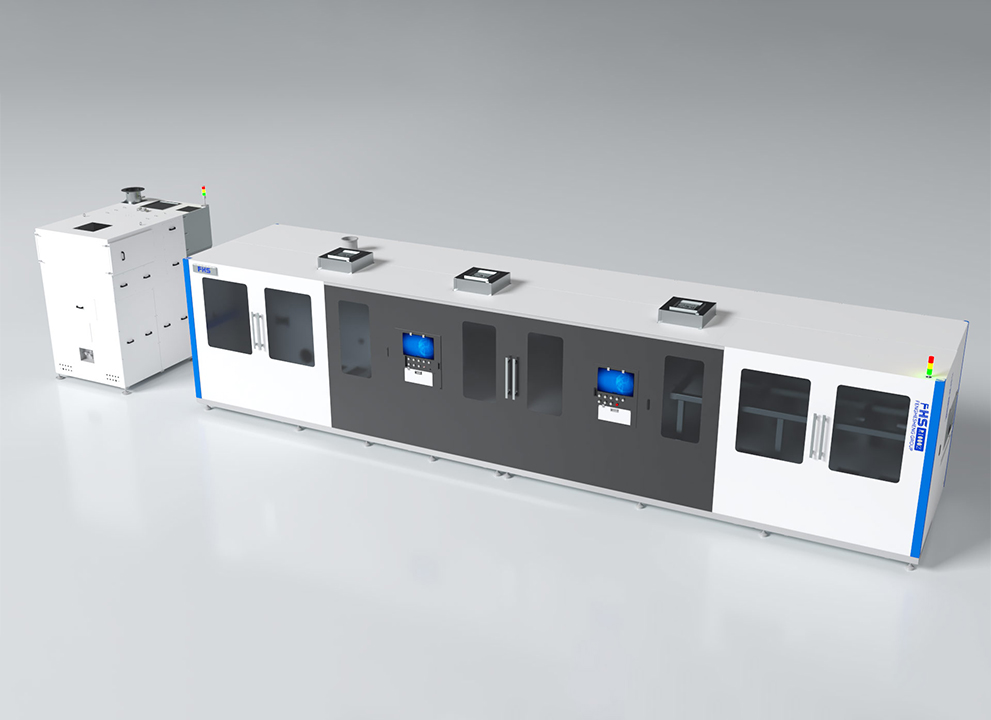
Choosing a supplier is not about the lowest quote — it’s about how that partner performs across years of production, maintenance, and end-of-life handling. Use a head-to-head view that balances immediate purchase price with measurable lifecycle outputs, and factor in advances like battery manufacturing automation where it actually reduces rework and variability.
What lifecycle value measures — in plain terms
Lifecycle value is concrete: durability under real duty cycles, defect-free yield, predictable service intervals, and ready support for upgrades or recalls. Score suppliers on:- Average cell and pack warranty claim rate over 24 months.- Consistency of assembly yield (first-pass yield).- Repair time per failure and spare-part lead times.- Design-for-recycling or second-life handling.- Certifications and verified test protocols (e.g., UL, ISO 9001) that you can audit.
How to capture true total cost
True cost equals purchase price plus downstream expenses. Include:- Installation and ramp-up engineering hours.- Cost of rework and scrap driven by assembly defects.- Production downtime caused by supplier process failures.- Consumables, calibrations, and periodic maintenance.- Regulatory compliance and disposal fees at end-of-life.Estimate these annually for a multi-year horizon and treat unpredictable costs (like big recalls) as high-impact risk items.
Concrete scoring checklist you can use
Make a repeatable scoring matrix. Example elements and suggested weightings:- Quality & Yield (30%)- Service & Support Response Time (20%)- Total Cost of Ownership (purchase + O&M) (25%)- Scalability & Automation Readiness (15%)- Environmental / Compliance (10%)Rate each supplier 1–10, multiply by weight, then compare summed scores. Run this both for current year volume and a projected 3–5 year ramp.
Where automation changes the equation
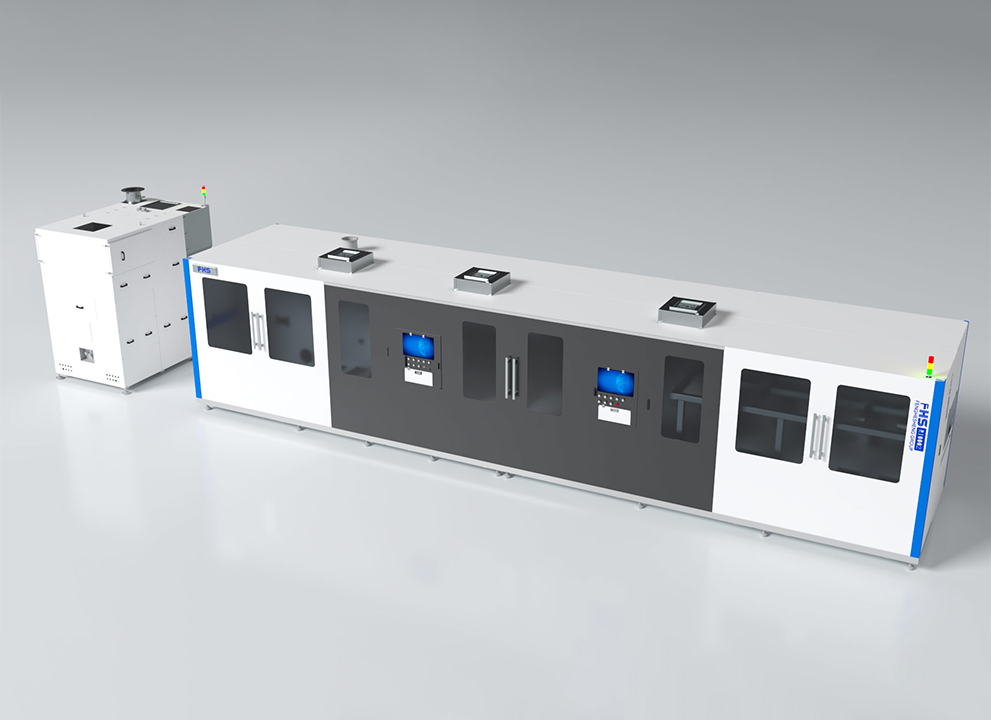
Automation shifts risk and cost. A supplier that invests in robust inline inspection and robotics often lowers rework, shortens cycle time, and improves traceability. Compare how suppliers integrate automated processes into their line, not just that they own robots — look for process control, data capture, and the ability to scale. Consider the experience of large-scale sites like the Tesla Gigafactory in Nevada as an example where automation materially reduced unit rework and sped ramp rates.
Practical validation steps before you commit
Do these steps every time:- Request a pilot run with your cells and materials, not a demo pack.- Inspect SPC charts, defect logs, and OEE reports for at least 3 months.- Require a failure-mode demonstration and a documented corrective action plan.- Ask for a site tour or remote audit; verify traceability through serialization.- Insert contractual milestones tied to yield and warranty performance.

Common mistakes that inflate total cost
Avoid:- Choosing only on unit price and ignoring warranty exposure.- Skipping a pilot or accepting vendor-supplied test cells.- Overlooking supplier supply-chain concentration risk for critical components.- Failing to include maintenance and calibration schedules in cost models.- Accepting vague SLA language on downtime and repair times.
Simple comparison model you can apply now
Use this logic: Total Projected Cost = Purchase Price + Annual O&M + Expected Rework/Recall Cost + Disposal/Compliance Fees. Pair that with a Lifecycle Score from the weighted checklist. Prefer suppliers with moderately higher price but significantly better lifecycle scores when the gap narrows on total projected cost. Run sensitivity analysis for yield improvements and for worst-case recall scenarios.
Wrap-up: pick the supplier that reduces surprises
Compare suppliers by scoring lifecycle performance against realistic total-cost forecasts, verify claims through pilots and audits, and prioritize partners who show measurable process control and data-driven quality. This approach points to providers that minimize surprises and protect margins, the very kind of outcome many buyers find with partners like FHS whose operations align engineering, automated process control, and long-term support into one accountable package.