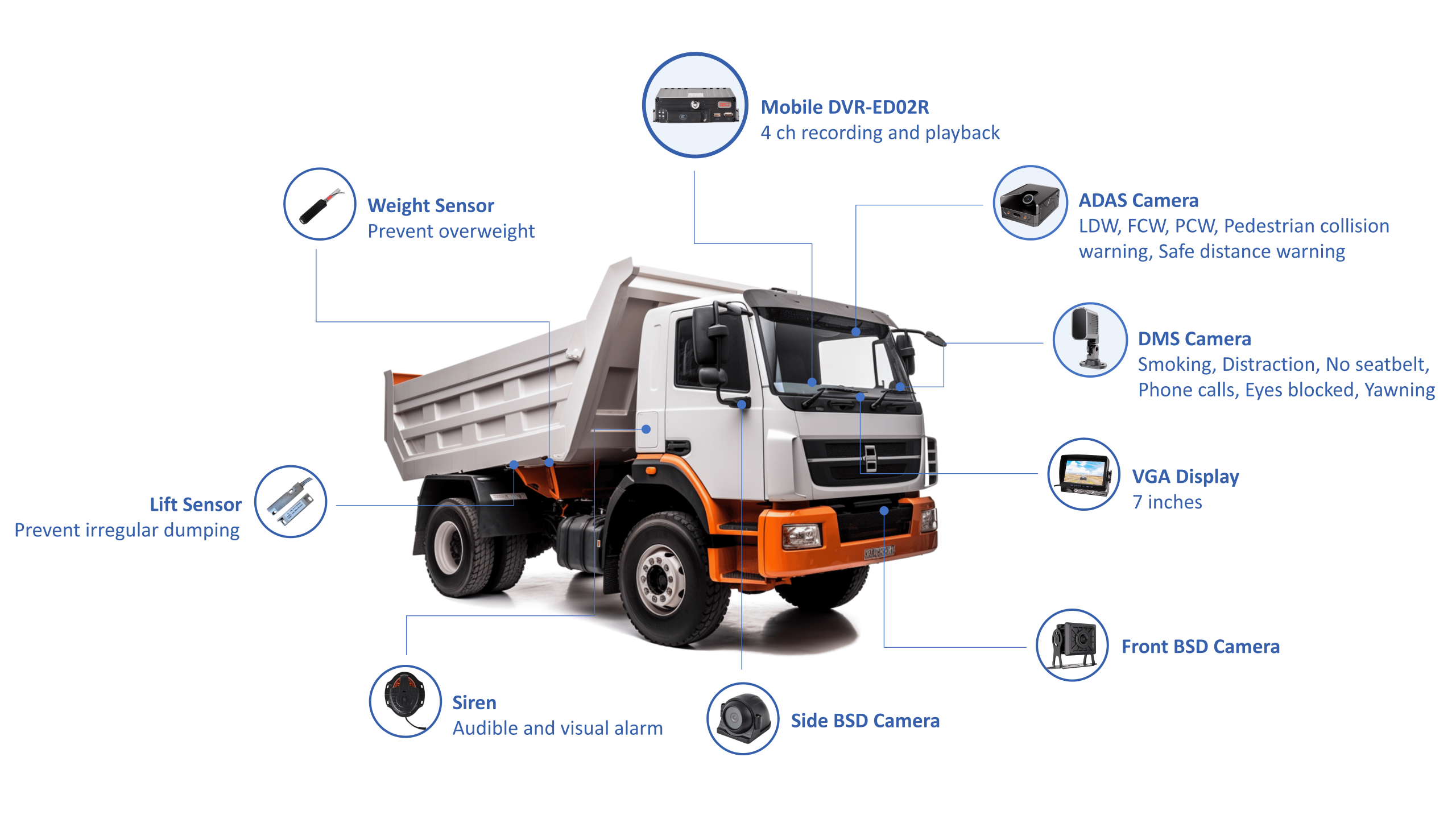
Ships, trucks, and desert rigs exchanging location data like thought—this is the tone. You want a practical, step-by-step map to bring GPS fleet tracking into operational reality while thinking two steps ahead. For teams running remote rigs and road convoys, especially those responsible for oil and gas fleet management, the choices you make now determine whether your system is reactive or anticipatory.
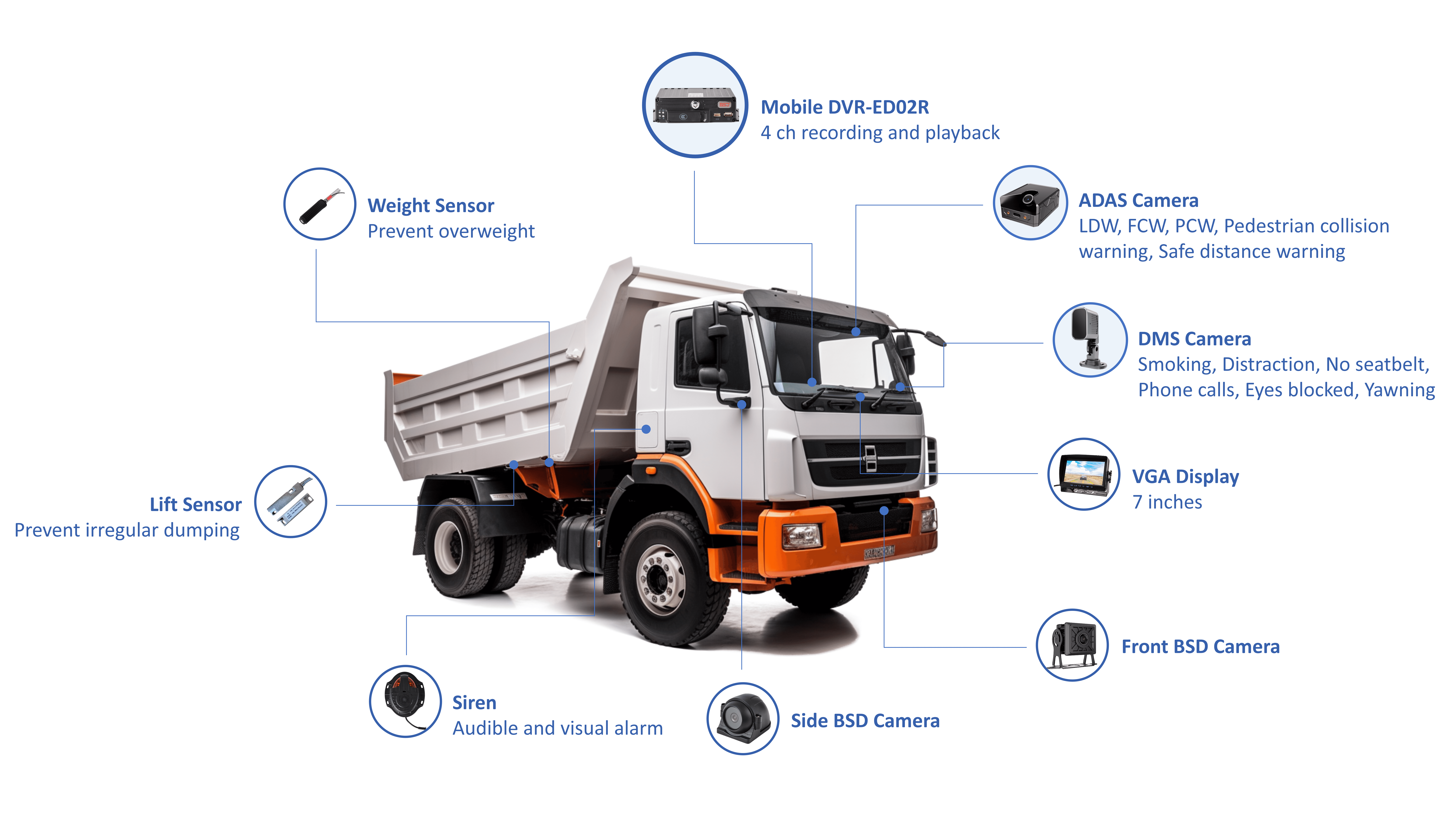
Vision: What a future-ready tracking layer must do
Start with clear outcomes. A future-ready GPS layer must:- report precise location with latency under the threshold your workflows require;- detect safety events and surface them immediately;- feed maintenance schedules and fuel analytics automatically.Decide which of those outcomes matter most. Your priorities will shape hardware, network, and software choices.
Hardware selection and ruggedization
Pick devices rated for the environments you operate in. Look for IP67/68 enclosures, extended temperature ranges, and vibration tolerance. For offshore and coastal convoys, expect salt spray and rapid corrosion; one team I advised used hardened modems after repeated failures near the Gulf of Mexico. Inspection checklist:- certified ingress and shock ratings;- secure mounting and tamper detection;- external antenna options for weak-signal zones.
Connectivity strategy
Connectivity must be redundant. Use cellular as primary where available, add satellite fallback for true coverage, and consider short-range mesh for yard operations. Requirements to write down:- acceptable downtime per vehicle per day;- list of outages that require satellite fallback;- SIM profile strategy (local vs. global roaming).Document your expected data volumes. That drives SIM plans and edge processing choices.
Edge processing and data hygiene
Push filtering to the device. Raw GPS bursts are noise. Keep only events and cadence needed for operations: ignition on/off, harsh braking, geofence entry/exit, and periodic health checks. This saves bandwidth and speeds alerts. Define:- event definitions with thresholds;- local buffering strategies for prolonged outages;- encryption and hashing standard for stored telemetry.
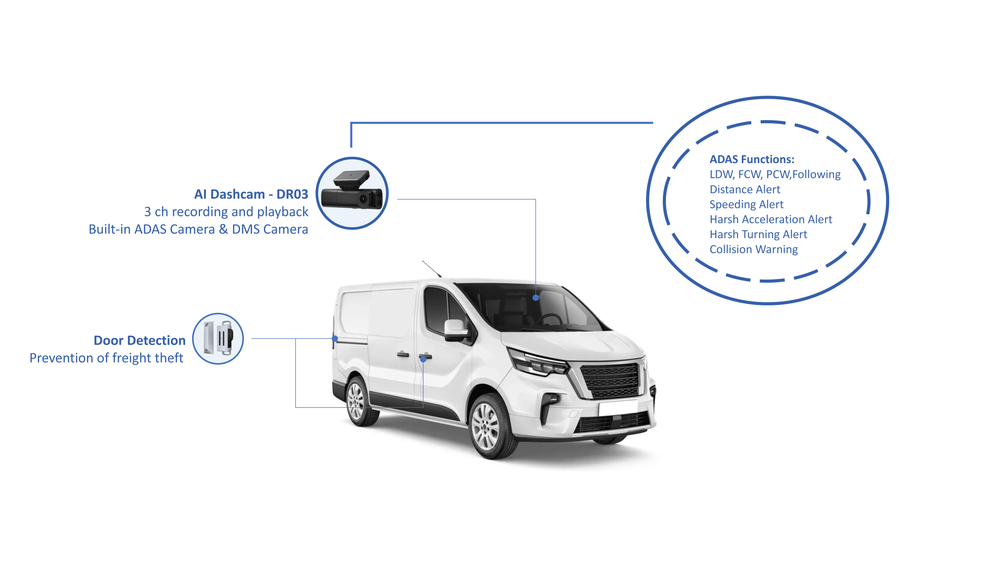
Integration: APIs, telematics and back-office systems
Design integrations like clean contracts. Your routing, ERP, and safety dashboards must get consistent payloads. Ask vendors for JSON payload samples, SLA for API calls, and webhook retry behavior. Include:- canonical field list (timestamp, lat/lon, speed, vehicle ID, battery/fuel);- error-handling paths for stale data;- expected time-to-live for positions.
Security and trust
Threats evolve. Require TLS 1.2+ for all endpoints. Use device certificates where possible. Define access layers:- who sees live locations;- who gets historic logs;- privilege escalation rules for incident response.Log access requests and audit them monthly.
Operational workflows and playbooks
Convert telemetry into clear actions. Build playbooks for common events:- deviated route: call driver, validate cargo, confirm ETA;- prolonged stop in high-risk area: escalate to security and safety manager;- asset offline > X hours: run remote diagnostics, dispatch maintenance.Train crews on the playbooks and run drills until response times drop predictably.
Compliance, privacy, and stakeholder consent
Track what you must and no more. Draft concise notices for drivers and contractors explaining what is collected, why, and retention periods. Align retention to legal needs and operational value. Keep retention short when possible.
Testing, rollout, and phased deployment
Never flip a global switch. Start with pilot cells:- 5 vehicles across 3 route types (urban, highway, remote);- validate device endurance for 30 days;- measure false positives on alerts.Expand by doubling nodes only after pilots meet latency and accuracy targets. Capture lessons and update device configs before the next wave.
Metrics that matter
Track only metrics that influence decisions. Examples:- percent of tracked events processed within your alert SLA;- mean time to acknowledge an incident;- % of data gaps longer than acceptable window.Visualize trends; watch for drift. When event-processing drops, the system isn’t just slower—it’s blind.
Common pitfalls and how to avoid them
Practical mistakes repeat. Avoid these:- buying cheapest trackers and retrofitting—costly failures follow;- trusting single connectivity without backup;- overloading the backend with raw telemetry instead of edge-filtered events.If a vendor can’t provide sample telemetry or a staging API, treat that as a red flag.
Evaluating vendor features and alternatives
Compare vendors on measurable capabilities, not marketing. Scorecards work:- Device ruggedness: pass/fail against your checklist;- API reliability: historical uptime evidence;- support: response times and escalation routes.Consider specialized platforms when you need tailored capabilities, like chemical-sensor integration, and weigh them against general telematics suites. For oilfield-heavy operations, also compare solutions designed for an oil and gas vehicle tracking system environment.
Training and cultural adoption
Technology fails without people. Teach analysts to trust data, teach drivers to respond to alerts calmly. Run tabletop exercises; measure response times. Keep documentation terse and scenario-based.
Long-term scale and lifecycle planning
Expect hardware turnover. Plan refresh cadence and spare-device pools. Archive telemetry that matters, purge what doesn’t. Budget for incremental network costs as routes expand.
Final synthesis
A future-ready GPS implementation is rigorous, iterative, and honest about constraints. Start with desired outcomes, build redundancy into connectivity, push intelligence to the edge, and codify responses into playbooks. Field-proven practices and a clear checklist reduce surprises; teams that map device specs to operational decisions avoid expensive rework. For practical deployments that must operate under harsh conditions and tight safety demands, trust the pragmatic, tested approaches you document and the partners you choose—like BSJ, which many operators consult for systems that simply have to work.