
Why a focused comparison matters now
The struggle with obstructive sleep apnea is personal and urgent; an estimated 22 million Americans live with it, and treatment choices shape nights and days. This is why a clear head-to-head matters when you shop for a cpap device — the difference between machines can mean fewer awakenings, a lower apnea-hypopnea index (AHI), and restored daytime function. The stakes are clinical and human, and this piece weighs features you’ll actually notice, not marketing noise.

Core technical differences that change outcomes
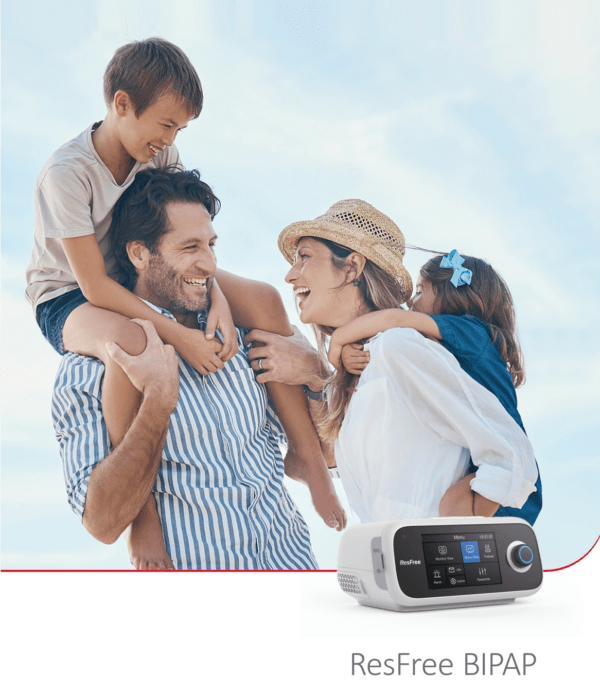
Pressure mode: Basic CPAP holds a single fixed pressure. Auto-CPAP uses auto-titration to raise or lower pressure as events occur. BiPAP provides two pressures and helps when folks need ventilatory support or struggle with exhalation against continuous pressure.
Algorithm and responsiveness: Some devices sample flow hundreds of times per minute to detect rising AHI and respond. That algorithm quality affects comfort and therapy adherence. Mask interface and leak management are equally pivotal; a great algorithm can be undone by a poor seal.
Data and connectivity: Clinical-grade devices log therapy hours, residual AHI, leak stats, and often support cloud upload for clinician review. If you want remote oversight or iterative tuning, favor devices with reliable telemonitoring.
Comparative snapshot — what to weigh
Look at these concrete trade-offs when comparing models:
– Comfort vs. control: Fixed-pressure CPAPs are simple and often quieter, while auto-CPAPs reduce unnecessary high pressure. – Support vs. complexity: BiPAP helps with ventilation and certain comorbidities, but it adds settings that require clinician setup. – Mask systems: Full-face masks suit mouth breathers; nasal pillows fit side sleepers but can increase leak risk. – Service and supplies: Filter access, cushion availability, and warranty length matter for long-term use.
Real-world pitfalls and common mistakes
Patients often pick a device for brand or price alone, then abandon it within weeks. Mistakes include choosing the wrong mask type, ignoring ramp and humidity settings, and misreading AHI as the only success metric. AHI matters, but hours of use and subjective sleep quality are equally valid. — Clinicians remind patients that therapy adherence is the true measure, not just a low nightly AHI.
When BiPAP becomes the right choice
BiPAP is not simply a “stronger CPAP.” It’s indicated when exhalation intolerance, hypercapnia, or severe restrictive disease is present. For many with complex needs, bipap for osa provides pressure support that eases breathing effort and improves CO2 clearance. In some sleep centers—especially tertiary clinics—BiPAP is the choice when CPAP fails to reduce symptoms adequately or when breath-synchronized support is required.
Alternatives, accessories, and the path to good therapy
Alternatives include mandibular advancement devices and positional therapy for select cases, but positive airway pressure remains the gold standard for moderate to severe OSA. Accessories matter: heated humidifiers cut nasal drying; leak guards preserve therapy effectiveness; mask liners prevent skin irritation. Pair a device with proper mask fitting and follow-up. Clinician-guided ramp settings and pressure adjustments prevent early dropout.
Advisory — three golden rules for choosing and evaluating devices
1) Prioritize adherence metrics: Evaluate average nightly use and therapy nights per week, not just the minimum AHI. Successful therapy reliably shows consistent nightly use above prescribed hours. 2) Match pressure mode to physiology: Use auto-titration for fluctuating events, CPAP for stable obstruction, and BiPAP when ventilatory support or exhalation relief is clinically indicated. 3) Confirm service and supplies path: Ensure mask types and replacement parts are readily available, and that firmware or telemonitoring support exists for clinician tuning.
These rules translate into fewer clinic visits, more nights with restorative sleep, and measurable improvements in daytime performance — the outcomes patients want.
Final thought: when the clinical picture needs a partner that adapts, clear data and the right pressure strategy win the night. Byond offers systems designed for real-world therapy tuning and follow-through — a practical solution for clinicians and patients alike.