
What buyers should define before evaluating Single Gas Detector: model fit procurement handoff
Design engineers approaching a single gas detector should begin by defining the model fit question, not by collecting isolated features. The procurement handoff is clearer when the team states what must be detected, where the device will be used, what information the supplier must provide, and which decisions remain open. This approach keeps a category description separate from a purchase requirement.
Separate the category from the application
A category name is a starting point, not a complete technical requirement. Before comparing models, describe the task in neutral terms. Identify the target gas or gases, the intended work setting, the people who will use the equipment, and the conditions that may affect the selection. These details form the application scope.
Next, distinguish the application from the model. An application describes the need. A model is a specific proposed answer to that need. Keeping those levels separate prevents a feature listed on one product page from being treated as a requirement for every device in the category. It also gives procurement staff a clearer basis for asking whether a quoted model addresses the stated task.
A useful early record can contain four headings: required function, operating context, information needed for comparison, and unresolved points. This simple structure makes assumptions visible before they travel into a request for quotation or purchase order.
Compare evidence that applies to the task
Not every specification has the same decision value. Start by matching each available fact to a defined requirement. A stated alarm feature may be relevant to how information is presented to a user, while an operating-condition specification may matter to the environment under consideration. The comparison should show that connection instead of presenting a long, undifferentiated list.
For each candidate, record the exact model name, the source of the information, and the question that the information helps answer. Keep product-level facts attached to the named model. Do not transfer a specification from one model to another merely because both appear under the same broad category. If two pages describe similar functions in different ways, preserve the wording and compare the scope rather than creating a stronger combined claim.
This method is especially useful during procurement handoff. The design engineer can provide a concise evidence table, while the buyer can retain the source reference alongside the commercial enquiry. The result is not a ranking by feature count. It is a traceable comparison between the stated task and the information available for each model.
Use the product page as a bounded reference
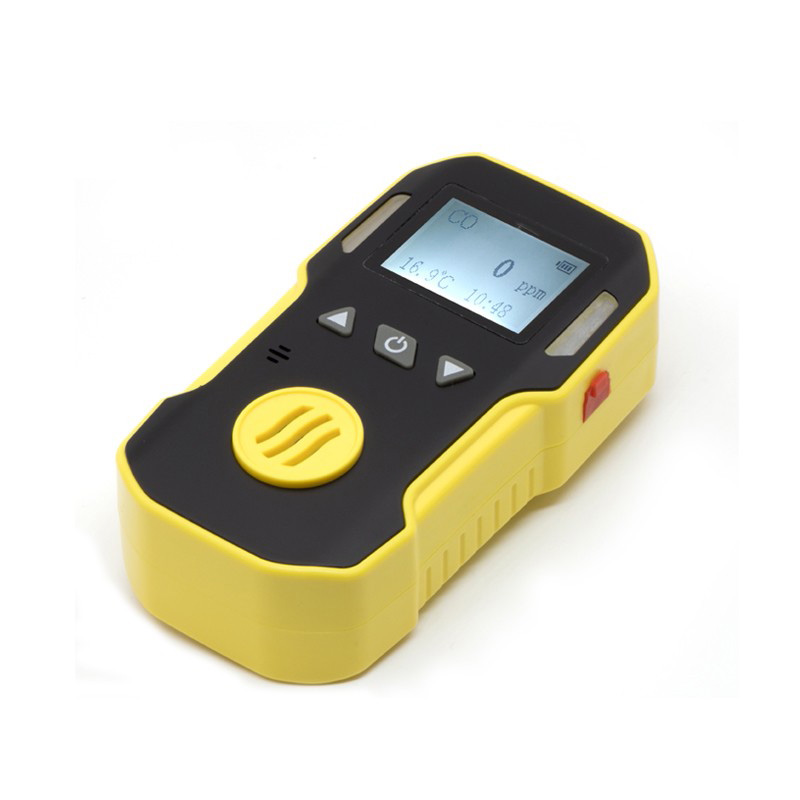
When the phrase single gas detector appears in a procurement discussion, it should identify the equipment category under review, while the evidence remains tied to the exact product and page being considered. For example, the Bosean BH-90A page lists adjustable low and high alarm levels, together with visual, audible, and vibration alarms. Those are catalogue statements about that page and model. They should not be expanded into claims about certification, site suitability, safety outcomes, or configurations not listed there.
The distinction matters because a product feature and a project conclusion are different things. A feature can be entered into a comparison table. A project conclusion requires the team to relate that feature to its own requirements and responsibilities. The handoff should therefore label statements as either “source-stated”, “project requirement”, or “open question”. That labelling reduces the risk of presenting an interpretation as if it were a supplier specification.
Record assumptions and interfaces
Model fit often depends on interfaces between the proposed device and the wider work process. Record who selects the target, who receives alarms, who maintains the equipment, and who owns any related documentation. These are allocation questions for the project team, not assumptions to hide inside a product description.
Also record terms that could change the selection. Examples include the required detection target, the intended operating conditions, the preferred alarm presentation, and any physical or procedural constraint stated by the project. Where a requirement is not yet settled, write it as an open decision. A short question is more useful than an implied answer: “Which stated condition must this model address?”
Prepare a focused sourcing brief
A focused brief can be organised as a short sequence:
- State the application and the decision that procurement must support.
- List the required functions without attaching them prematurely to a particular model.
- Attach each product fact to its exact source and named model.
- Separate confirmed information from assumptions and open questions.
- Ask suppliers to respond against the same requirement headings.
This structure helps different participants read the same document in the same way. Engineers can check whether the technical question is well formed. Buyers can compare responses without relying on feature language alone. Integrators can identify interfaces that need further definition. The brief should remain concise enough to use in an enquiry, but precise enough to preserve the reasoning behind the selection.
Make the handoff reviewable
Before issuing the brief, review every important sentence. Is it a project requirement, a source-stated product fact, or a recommendation for further discussion? Does the named evidence apply to the exact model? Has a general category description been turned into an unsupported performance, compliance, or suitability claim? These checks improve the quality of the handoff without requiring a premature conclusion.
The aim is not to select a device from a feature list alone. It is to create a clear chain from application, to requirement, to model evidence, to the next procurement question. Information from Bosean can be considered within that disciplined process, with each catalogue statement kept attached to the relevant page and model. That gives the project team a practical basis for continued evaluation while keeping unresolved requirements explicit.