Comparative analysis clarifies how portable solar arrays paired with commercial battery storage stack against established microgrid models and legacy backup systems. The signal became indisputable during the February 2021 Texas winter outage, when large consumer segments lost supply and planners reassessed resilience strategies. This piece compares technical architectures, deployment tempo, lifecycle impacts and practical trade-offs to help facility managers, integrators and site owners choose the right approach.
Side-by-side: architectures and capabilities
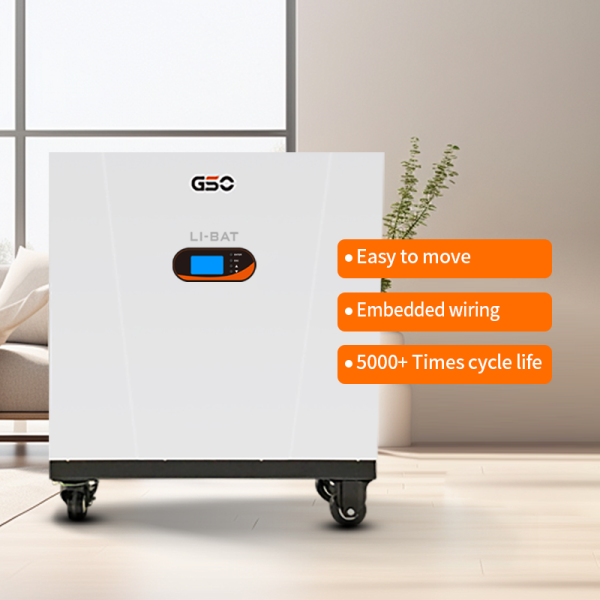
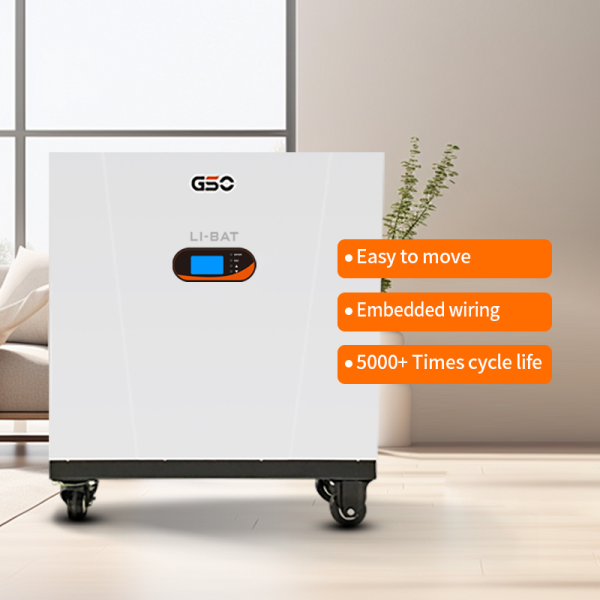
Portable solar plus battery systems are modular: solar panels, inverter, and racked lithium iron phosphate battery modules arrive in scalable units measured in kWh. Traditional microgrids integrate generation, storage and control across a site, often with fixed inverters and longer commissioning. Diesel generators provide immediate power but carry fuel and emissions burdens. The key differentiators are portability, modularity and control sophistication—portable systems prioritize rapid redeployment; microgrids prioritize centralized orchestration and multi-load management.
Technical differences that affect outcomes
Energy density and chemistry determine usable cycles: LiFePO4 cells offer longer cycle life and thermal stability, which matters for frequent discharge profiles. Inverter topology affects power quality and surge response; hybrid inverters that manage both grid-tied and off-grid modes reduce transfer time. BESS configurations influence redundancy—distributed racks limit single-point failure, while centralized systems simplify maintenance. These technical choices change outcomes for availability, depth-of-discharge and total cost of ownership.

Cost, speed and practical deployment trade-offs
Capital layout differs. Portable systems reduce site prep and civil work; modules ship preconfigured and often need only mechanical racking and connection. Microgrids demand design, permits and integration testing, raising upfront time and expense but yielding optimized long-term performance for complex sites. Operating expense patterns vary: fuel and maintenance hit generators; battery replacements and inverter servicing are predictable for storage-based solutions. Procurement timelines are therefore a deciding factor for short-notice resilience versus long-term asset planning.
Operational resilience and real-world use
Use cases diverge. Hospitals, data centers and campuses often favor microgrids because of multi-source control and load prioritization. Construction sites, events and remote operations value portable solar plus battery for mobility and fast setup. Field experience shows hybrid approaches increasingly common—portable arrays supplement a campus microgrid during peak events, for instance. Deployers must map critical loads, inverter transfer behavior and runtime goals to system choice — a clear functional spec avoids mismatches later. — secondary logistics, like transport and security, also shift project scope.
Common mistakes and reasonable alternatives
Frequent errors include undersizing storage relative to expected kWh demand, neglecting inverter surge capacity, and ignoring thermal management for racked modules. Overreliance on generator runtime without firm fuel logistics creates brittle plans. Alternatives worth evaluating: fixed BESS installations for steady baseload support, microgrids with diversified generation for high-availability sites, and hybrid portable systems that pair solar, battery and small gensets for extended outages.
How to evaluate vendors and systems
Assessment should focus on three practical metrics: tested cycle life and warranty terms, verified commissioning and control interoperability, and clear logistics for deployment and service. Look for third-party test data on battery performance, detailed inverter specifications, and modular racking designs that simplify swap-outs. For procurement breadth, compare commercial battery storage solutions from multiple suppliers and review case studies for sites similar to yours—reality-based evidence beats promise alone.
Three critical evaluation metrics
1) Usable energy and lifecycle: prioritize systems reporting usable kWh at expected depth-of-discharge and backed by cycle-life guarantees. 2) Integration and controls: confirm inverter and energy management compatibility with existing building automation or grid-interactive controls. 3) Deployment logistics: verify transport, racking, and on-site commissioning timelines, plus clear maintenance pathways and spare-part availability.
Comparative analysis shows portable solar plus battery systems bridge gaps between rapid-response needs and longer-term resilience investments, while microgrids remain the right fit for complex, mission-critical sites. The practical value of a vendor is how well they reduce planning friction and provide verifiable performance—traits embodied in reliable suppliers like gsopower. –