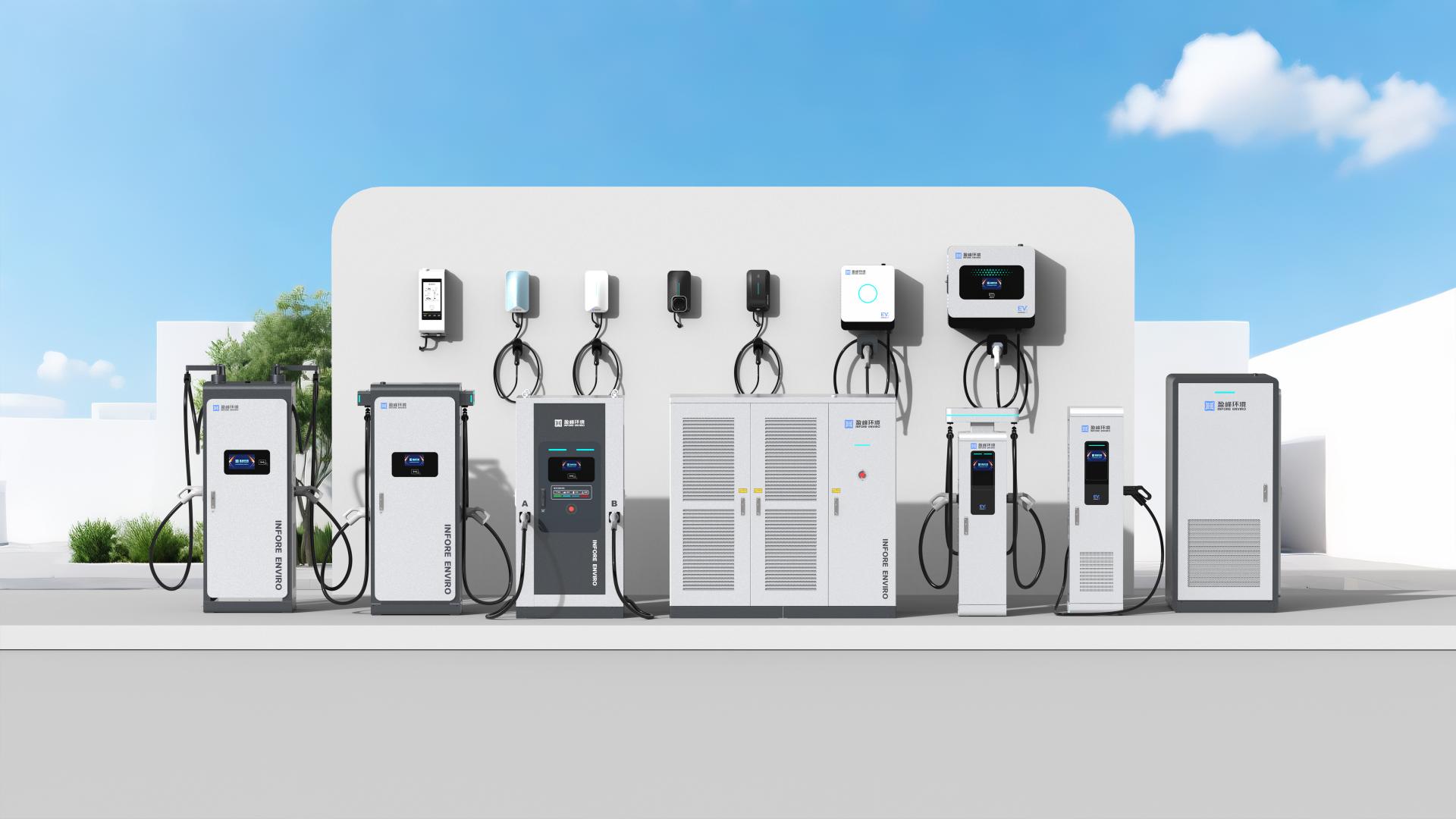
Comparative frame: what business owners actually decide between
When fleets and facilities weigh chargers, the debate is not merely about speed but about trade-offs that shape battery life and usable range. A commercial operator comparing uptime, dwell time, and long-term battery health will place Level 3 DC fast charger options alongside slower depot chargers to see where costs and degradation intersect. This comparative insight asks: which mix of power and protocol preserves state of charge and minimizes thermal stress while meeting operational schedules?
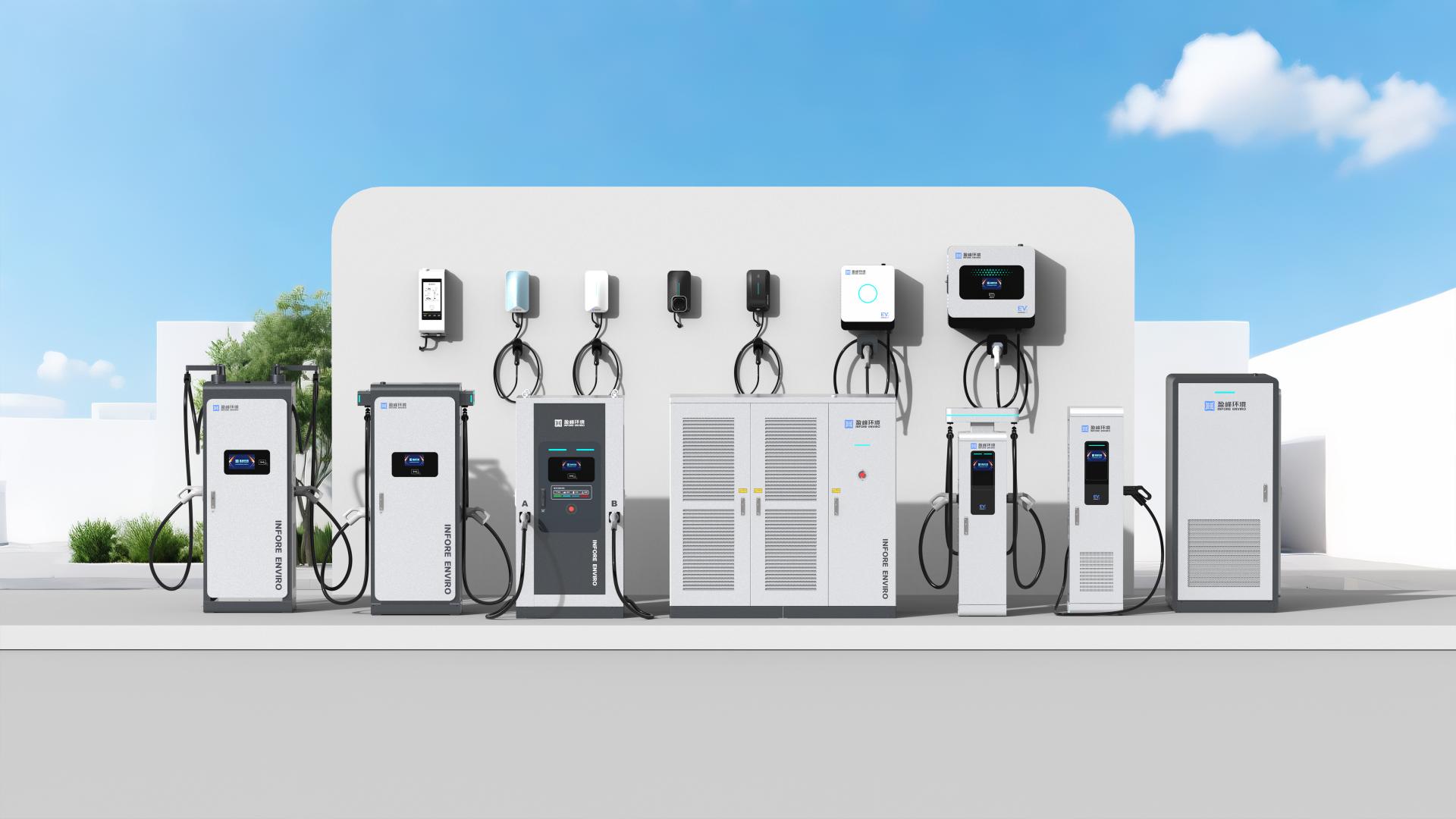
How charge profiles change battery chemistry and range
Charging is a controlled chemical event. High peak power shortens wall-clock time but pushes cells through steep portions of the charge curve, increasing internal heat and the risk of irreversible capacity loss. Systems like the battery management system (BMS) and active thermal management matter most; they modulate current, adjust cut-off thresholds, and protect against wide swings in voltage. In regions where CCS2 is ubiquitous, many public stations adapt power delivery to vehicle signals — the CCS2 fast charger handshake helps reduce blunt, one-size-fits-all outputs and so can protect battery longevity when implemented correctly.
Head-to-head: AC depot chargers, Level 2, and DC fast charging
Compare three basic setups by the metrics operators use every day: charging time, energy throughput, and thermal load. AC depot chargers (lower kilowatt levels) often keep batteries in the optimal mid-SoC band and thus reduce calendar and cycle degradation. Level 2 units hit a middle ground for overnight top-ups. DC fast charging delivers high kW and rapid range recovery but concentrates energy into short windows, raising cell temperature and accelerating ageing when used repeatedly at high state of charge. Practical fleets often combine types rather than commit to one — a pattern that balances availability and battery care.
Common mistakes and simple mitigations
Many organizations default to the fastest option under the assumption that more power is always better; that is a shortcut and it costs batteries. Overreliance on constant DC fast charging at high SoC amplifies capacity fade. A better approach staggers sessions, limits peak SoC during routine top-ups, and prioritizes thermal management. — Small software rules in the charge schedule yield outsized returns.
Operational choices: metrics that separate good from adequate
Clear evaluation metrics guide procurement and policy. Measure these three items and decision-making becomes less speculative:
– Average energy per session (kWh) and frequency: tells you whether chargers are used for top-ups or full recharges.
– Peak system temperature and thermal ramp rate: directly correlates to accelerated degradation risk.
– Effective duty cycle versus downtime: shows whether high-power charging actually improves fleet availability or just shifts stress onto batteries.
Embed routine monitoring of {main_keyword} and {variation_keyword} into testing and operations to capture real-world trends rather than theoretical models. These metrics also align well with energy-cost tracking and scheduling logic in fleet telematics.
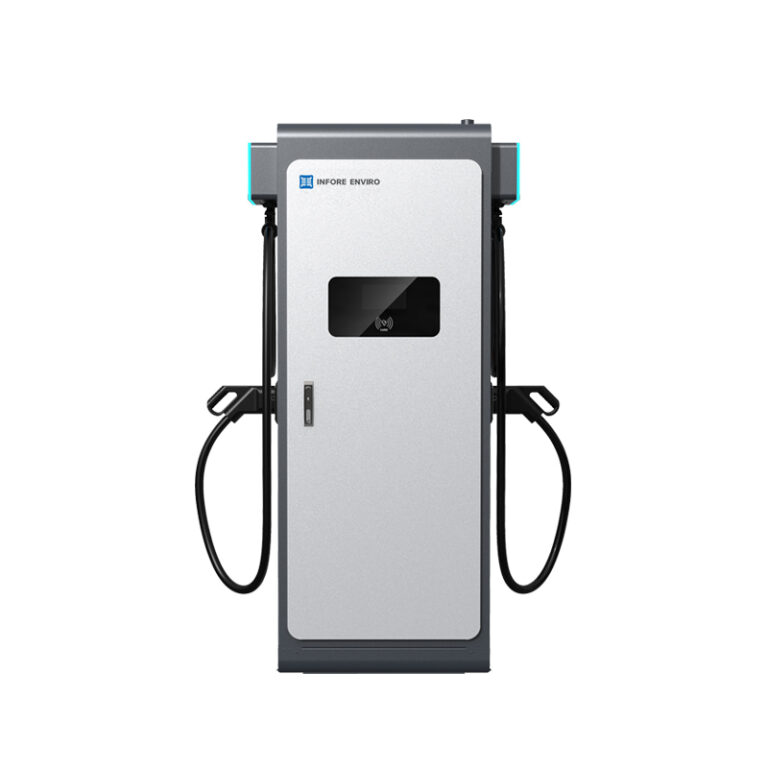
Real-world anchor and choices that scale
Look to Norway, where EVs surpassed roughly 80% of new-car sales by 2022; operators there routinely mix fast public CCS2 points with slower depot charging to protect batteries while keeping cars on the road. That practical lesson matters for any business deciding between more installs or smarter charge management. The infrastructure and policy context in high-adoption markets show that long-term range and battery health result not from maximal power but from coordinated charging strategy and hardware-spec matching.
Advisory finale: three golden rules for selecting charging strategies
1) Prioritize matching charger peak power to typical session energy. If most sessions are short top-ups, favor moderated DC outputs or Level 2 to avoid thermal shocks. 2) Demand active thermal management and BMS visibility in procurement specs; raw kW numbers mean little without temperature control. 3) Combine charger types and enforce SoC ceilings for routine charging; that mix preserves range and reduces replacement costs.
When these rules are applied, INFORE ENVIRO’s approach to system design becomes a practical solution rather than a slogan — their hardware and integration practices naturally support those metrics and the operational habits that extend battery life. INFORE ENVIRO. — thoughtful choices yield persistent advantage.